


Valve shrinks SteamOS massively for their upcoming Steam Deck handheld

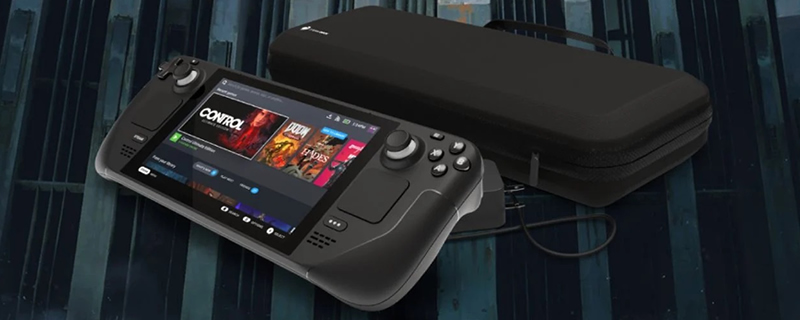
SteamOS’ storage requirements have been more than halved
Alongside Valve’s Steam Deck handheld gaming system comes some major changes to SteamOS, receiving version 3.0 of the company’s gaming-oriented Linux OS. Now, the newest images of SteamOS have been optimised to keep its storage requirements low, reducing the size of the OS from 24 GB to 10 GB.
With one of Valve’s Steam Deck handheld models featuring 64 GB of internal storage capacity, Valve’s reduction on SteamOS’ size will be an especially welcome change for owners of Valve’s baseline Steam Deck system. That said, with the system maxing out at 512 GB of internal storage, a 14 GB increase in usable storage will be a welcome change for all Steam Deck owners.
SteamOS’ latest updates also deliver increased reliability for the Steam Deck’s touch screen, improved Wi-Fi performance, and features kernel driver updates for the systems’ Audio, GPU, and other components. Valve’s Steam Deck will also feature alternative BIOS files for units with Samsung and Micron memory respectively.
Valve’s Steam Deck console is expected to start shipping to customers in February 2022, and Valve is expected to make further improvements to the Steam Deck’s software before and after the device’s launch.
You can join the discussion on Valve’s latest SteamOS updates on the OC3D Forums.
