


Samsung’s 2018 QLED TVs will reportedly support VRR (Variable Refresh Rates)

Samsung’s 2018 QLED TVs will reportedly support VRR (Variable Refresh Rates)
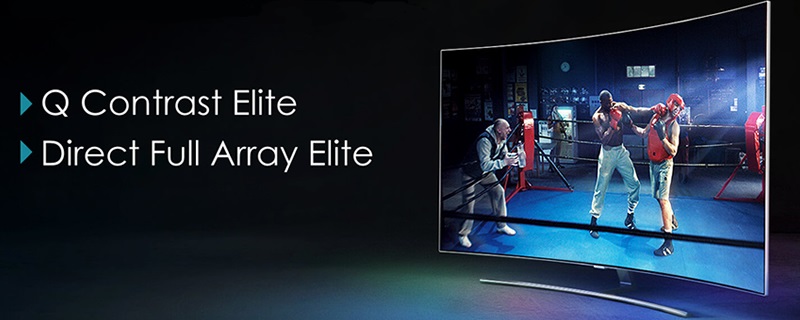
reports are emerging that Samsung’s upcoming lineup of 2018 QLED TVs will support VRR (Variable refresh rates), with the company’s display controllers already supporting most of the features of the HDMI 2.1 specification.
Variable Refresh Rate support allows a display to dynamically adjust its refresh rate to match its source, a feature that is primarily useful for gamers, but also helpful when screens are expected to play video using non-standard refresh rates, allowing images to be displayed correctly without any visual judder or artefacts.
The first report of Samsung’s 2018 QLED TVs supporting VRR originates from HDTVTest, a website that specialises in HDTV Television reviews. They have said that a Samsung Executive told them that their 2018 range of QLED TVs would support VRR, though at this time it is unknown exactly how the HDMI VRR standard works or if Samsung’s implementation has a limited refresh rate window.
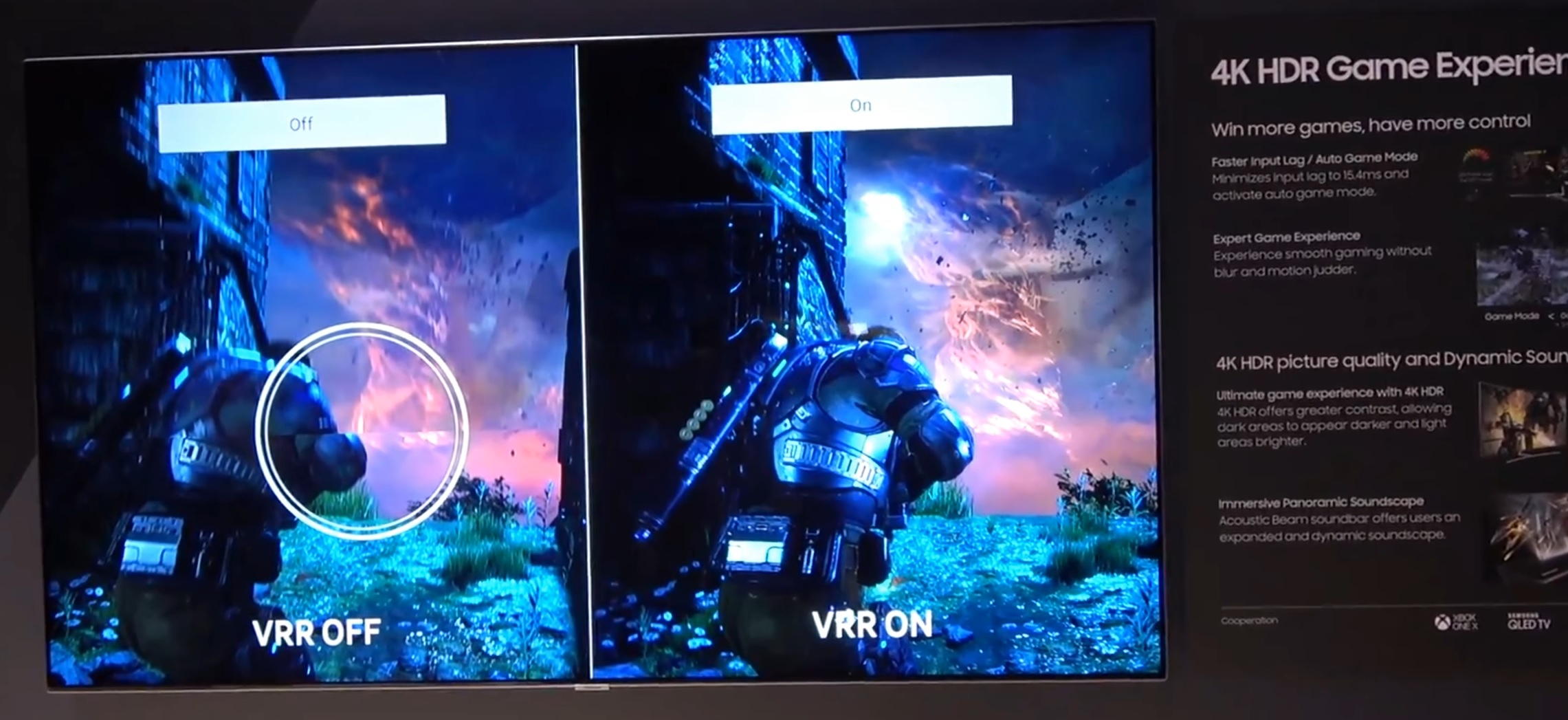 (Image from Dee Batch)
At this time it is unknown exactly how HDMI VRR functions, or exactly how well Samsung’s implementation works. AMD has already stated that they plan on bringing HDMI VRR support to their RX series GPUs with an upcoming driver update, with Microsoft’s Xbox One X also being designed with VRR technology in mind.
At this time Samsung has not issued an official press release regarding VRR support on their future televisions.
You can join the discussion on Samsung’s reported support for VRR on their 2018 QLED televisions on the OC3D Forums.
Samsung’s 2018 QLED TVs will reportedly support VRR (Variable Refresh Rates)
Reports are emerging that Samsung’s upcoming lineup of 2018 QLED TVs will support VRR (Variable refresh rates), with the company’s display controllers already supporting most of the features of the HDMI 2.1 specification.
Variable Refresh Rate support allows a display to dynamically adjust its refresh rate to match its source, a feature that is primarily useful for gamers, but also helpful when screens are expected to play video using non-standard refresh rates, allowing images to be displayed correctly without any visual judder or artefacts.
The first report of Samsung’s 2018 QLED TVs supporting VRR originates from HDTVTest, a website that specialises in HDTV Television reviews. They have said that a Samsung Executive told them that their 2018 range of QLED TVs would support VRR, though at this time it is unknown exactly how the HDMI VRR standard works or if Samsung’s implementation has a limited refresh rate window.
(Image from Dee Batch)
At this time it is unknown exactly how HDMI VRR functions, or exactly how well Samsung’s implementation works. AMD has already stated that they plan on bringing HDMI VRR support to their RX series GPUs with an upcoming driver update, with Microsoft’s Xbox One X also being designed with VRR technology in mind.
At this time Samsung has not issued an official press release regarding VRR support on their future televisions.
You can join the discussion on Samsung’s reported support for VRR on their 2018 QLED televisions on the OC3D Forums.