


Seagate pushes HDDs forward with HAMR tech and 6.9 TB platter prototypes

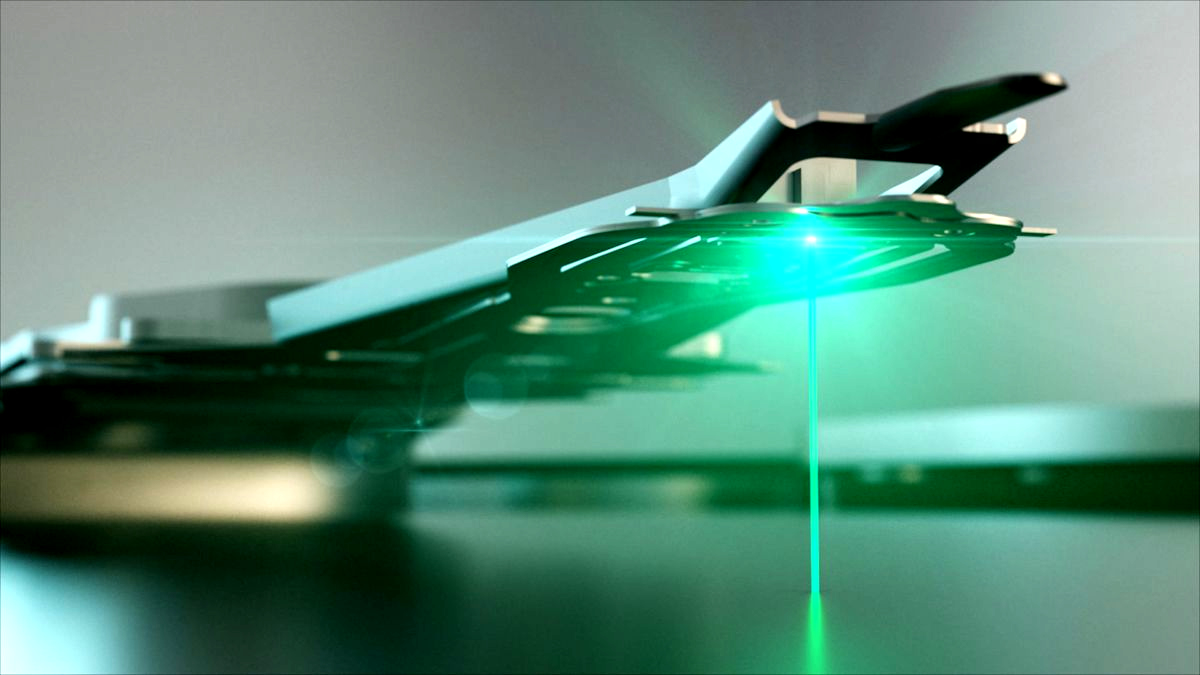
Seagate successfully creates 6.9 TB HDD platter, doubling per-platter data capacity over commercially available drives
While SSD storage is now dominant in the consumer space, HDD storage still offers users significant advantages in cost per TB. With its newest HAMR tech, Seagate has built a 6.9 TB HDD platter, a storage density that is double that of today’s HDDs.
Recently, Toshiba has experimented with 12-platter HDDs to increase storage density by adding more (thinner) platters. Seagate, using its HAMR technology, aims to boost the storage density of its HDDs per platter.
Seagate has also confirmed that it has simulated 8 TB HDD platters and expects to commercialise 7TB HDD platters at the start of the next decade. The company even envisions 15 TB HDD platters in the future, using new disk drive materials.
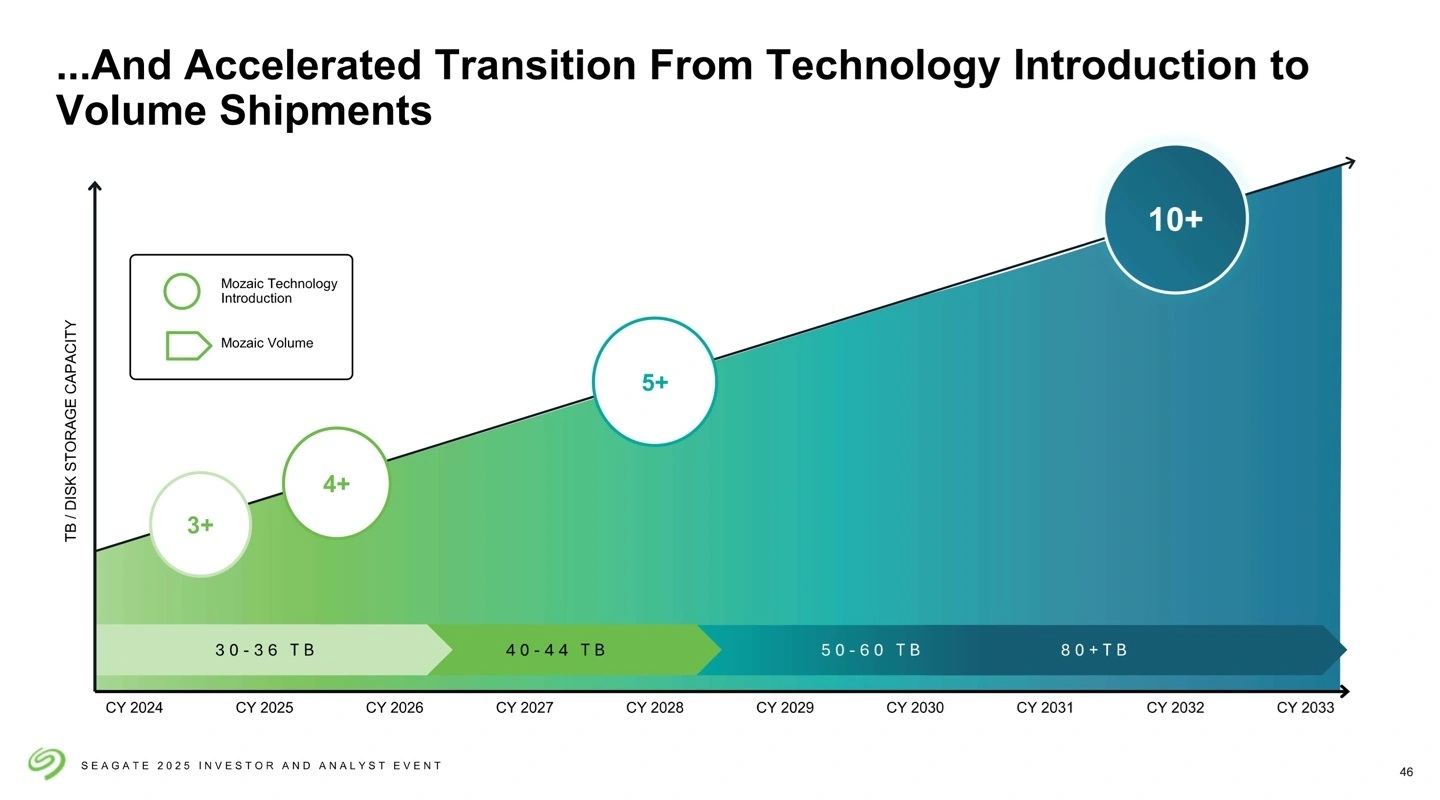
Increased densities enable lower cost/TB
With an 8-platter HDD, Seagate’s 6.9 TB platter prototype could be used to create 55TB HDDs. If Seagate can fit more platters into its drives, it can enable even higher drive densities. However, fitting more drives into an HDD poses other challenges. For starters, HDD platters and other parts would need to be thinner. That poses risks for long-term drive reliability and stability.
By delivering higher platter densities, Seagate can continue using existing drive controllers and components while still increasing storage densities. In time, Seagate plans to use more refined materials to create HDDs with larger storage densities. In time, Seagate wants to create 100TB+ HDDs.
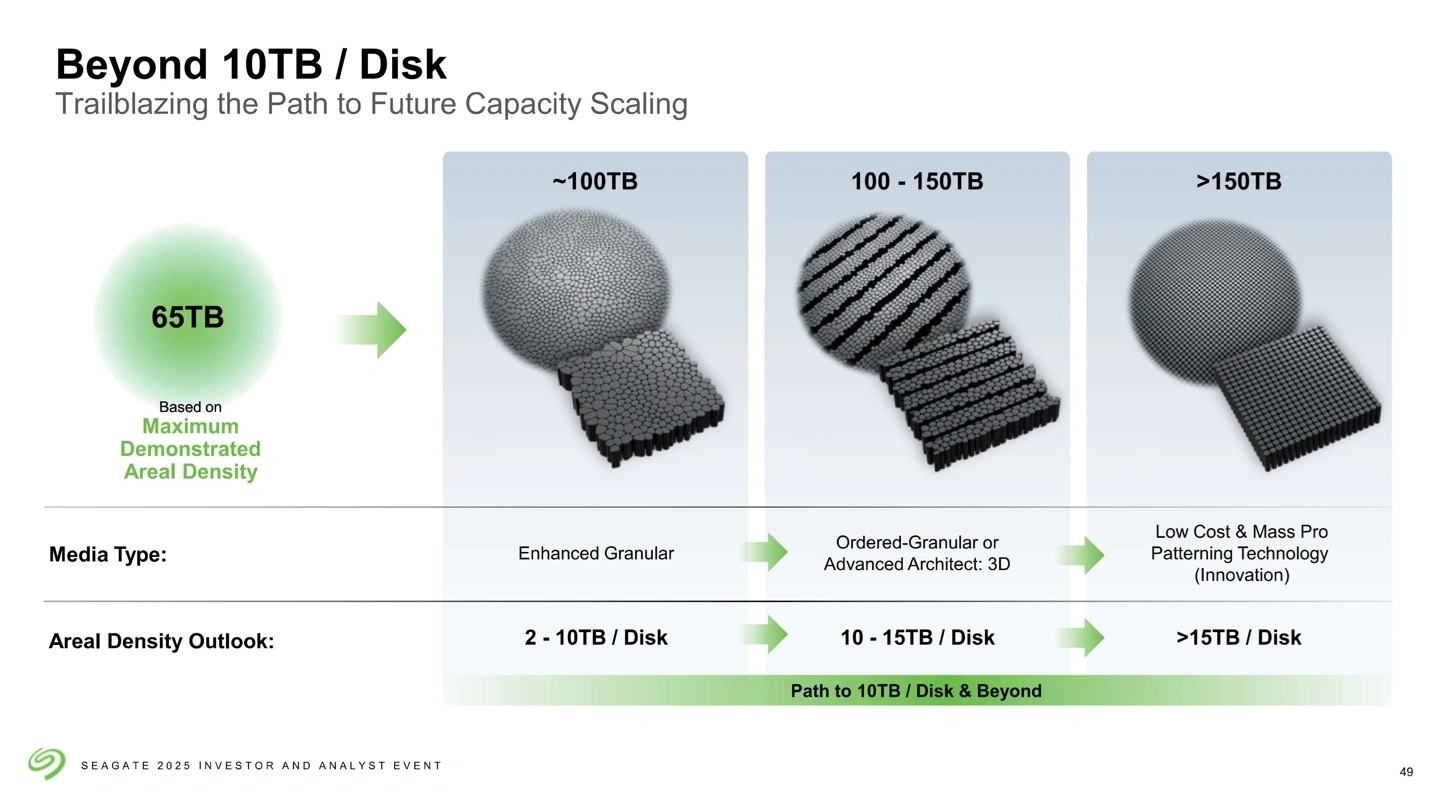
With its 6.9 TB HDD platter prototype, Seagate has demonstrated that higher storage densities are possible with HDDs. Now, Seagate needs to push forward and commercialise higher-density disk drives, and continue developing the tech that will take things to the next level.
You can join the discussion on Seagate’s 6.9 TB platter prototypes on the OC3D Forums.