Profit farming – Samsung and SK Hynix don’t want to end the memory shortage

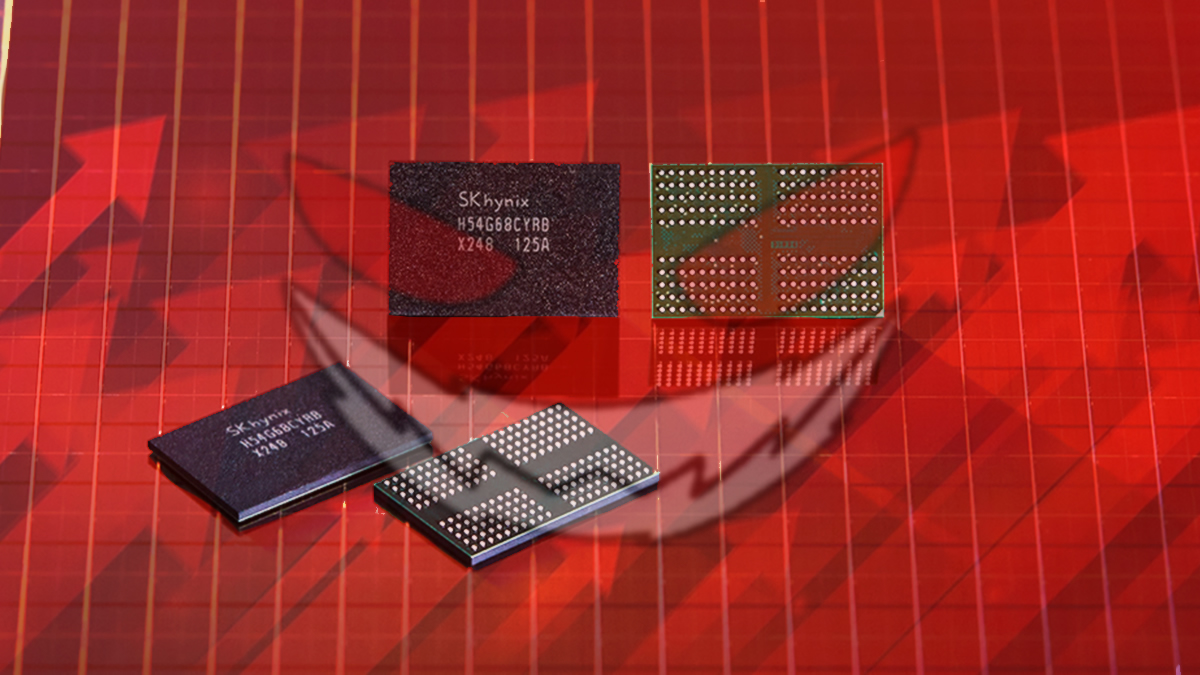
Fears grow as Samsung and SK Hynix admit that they have no intention to end the memory shortage
Samsung and SK Hynix, which combined produce about 70% of the world’s DRAM, have confirmed that their focus is “long-term profitability” when asked about the global memory shortage. This comes as DRAM shortages have begun driving up the prices of PCs and smartphones. Neither company seeks to meet the demands of its customers. Both seek profitability above anything else.
Global demand for AI has caused DRAM demand to spike. Datacenters need memory, and that has caused DRAM prices to spike. This increase in DRAM pricing is good for memory producers like Samsung and SK Hynix. In an ideal world, both companies would invest these profits into expanding DRAM production, countering the shortage with increased supply. Instead, both companies seek a balancing act. They want to prolong the shortage and manufacture as much DRAM as possible without lowering memory prices. In other words, they want to maintain the shortage deliberately.
Samsung claims it doesn’t want “oversupply”
Samsung has confirmed that it will “minimise the risk of oversupply” by limiting its capital expenditure on new DRAM production. They want to “balance customer demand and pricing”. In other words, they will intentionally not produce enough memory to maintain high prices. They will make an intentional effort not to overinvest in DRAM manufacturing. This is despite the fact that their spending would be paid for by today’s DRAM prices.
Rather than rapidly expanding facilities, we will pursue a strategy of maintaining long-term profitability.
We will minimize the risk of oversupply through a capital expenditure (CAPEX) strategy that balances customer demand and pricing.
– Samsung – via Hankyung
SK Hynix has similarly claimed that its strategy is to continue increasing its prices. SK Hynix is only seeking “short-term” memory contracts to prevent customers from having long-term memory pricing stability. DRAM prices are expected to increase moving forward, and SK Hynix does not want a contract where it sells memory below the current market rate.
We will reduce the burden on customers through a strategy of gradual contract price increases.
– SK Hynix – via Hankyung
Marketing profiteering as caution
DRAM manufacturers are cautious as they are aware that the AI bubble could burst. If they invest heavily in capacity expansion, they could oversupply the memory market if AI datacenter demand were to suddenly vanish. That would lead to significantly reduced memory prices, which is bad news for profitability.
By being cautious, memory manufacturers can prolong the memory shortage and minimise their risks. They can profit from the shortage for longer and feel like they are being reasonable by doing so. This shows a lack of care for their customers and consumers.
Higher memory prices are already impacting the PC and smartphone industries. Higher prices don’t just impact corporations investing in AI; they affect everyone who buys a laptop, PC, smartphone, tablet, or any other computing device. PC enthusiasts will forgo system upgrades. Game console prices will likely rise. Hobbyists will be priced out of portions of the electronics market. Why? Samsung and SK Hynix want more profit. It’s as simple as that.
Today’s DRAM profits should be invested in expanded production, enough production to meet demand. Not a trickle of production increases that are designed to prolong the misery of customers.
You can join the discussion on Samsung and SK Hynix being profit-hungry villains on the OC3D Forums.