


Here’s what makes ASUS’ new “Neo” series AM5 motherboards special

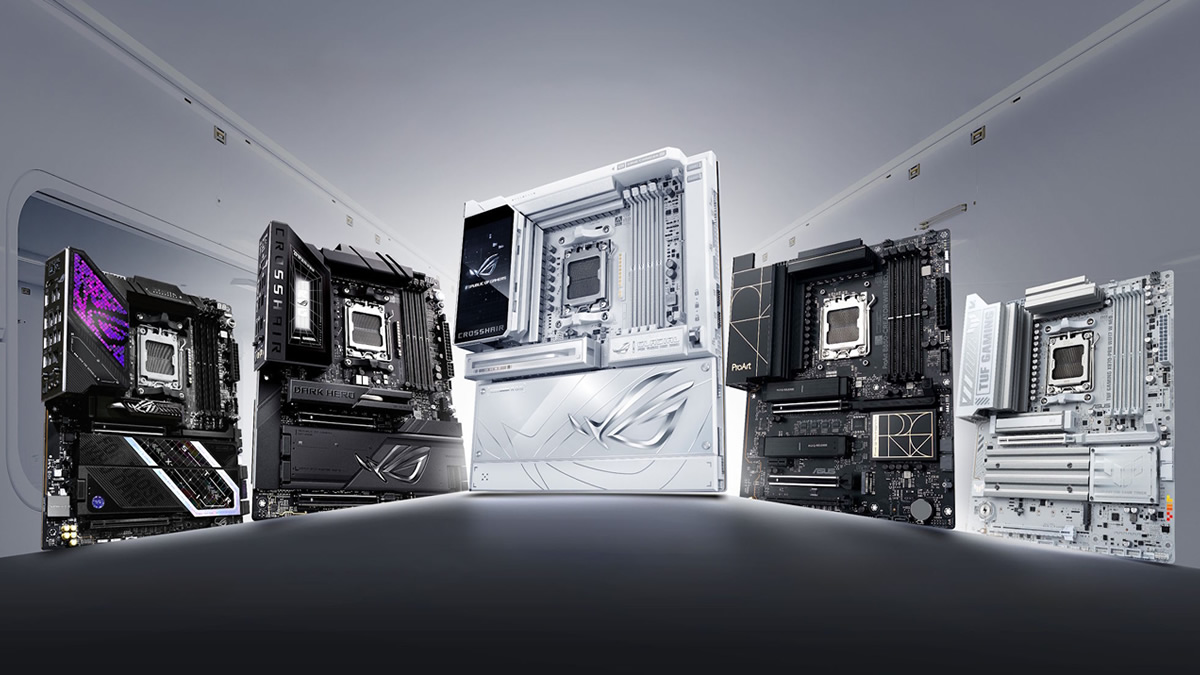
ASUS has revamped its AM5 motherboard lineup with new “NEO” series motherboards
ASUS has enhanced its AM5 motherboard lineup with new “Neo” series models. This includes new ROG, TUF Gaming, and ProArt series designs, all of which feature upgraded components, redesigned PCBs, and new features.
This move highlights the overwhelming popularity of AMD’s Ryzen CPU platform and the demand for higher-end feature sets for DIY PC builds. We asked ASUS what made its new “Neo” series motherboards special. Here’s what they told us about.
(ASUS CES 2026 Booth Tour)
Nitropath DRAM technology
With their new ROG and TUF series motherboards, ASUS’ NEO series will feature NitroPath DRAM technology. This enhances ASUS’ memory overclocking support with a reworked DRAM slot design that delivers smoother signal transmission. This increased signal integrity makes higher DRAM speeds easier to support, increasing system stability.
Across all our new designs, including the models from TUF Gaming and ProArt, you’ll reap the advantages of eight-layer motherboards, including quieter signal behavior and steadier performance under pressure.
In select boards, these optimizations join forces with NitroPath DRAM Technology, a rework of the traditional DRAM slot that provides smoother signal transmission with less noise and reflection for an overall improved experience with high-end memory kits.
– ASUS
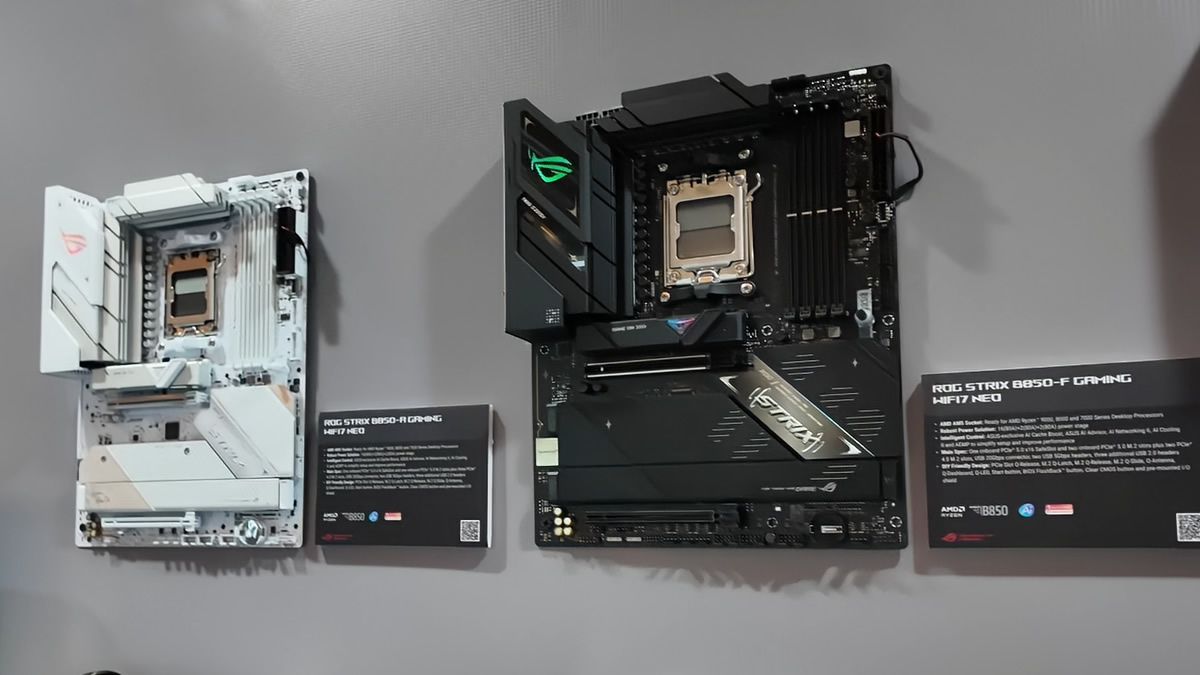
Larger ROM for more BIOS goodness
With their new AM5 motherboards, ASUS are rolling out a new BIOS UI, which aims to give users a “more frictionless” experience when optimising their PCs. With new Neo series motherboards, ASUS has also doubled its BIOS ROM size from 32MB to 64MB, which gives ASUS more freedom with their latest motherboards.
One benefit of this upgrade is the ability to support more CPUs out of the box. This will become increasingly important as we reach later into socket AM5’s lifespan. This upgrade also allows ASUS to store their WIFI drivers on-ROM, which will make Windows installations a faster process.
Here’s another upgrade that will be appreciated by newcomers and veterans alike: we’re doubling the ROM capacity of the latest ASUS AM5 motherboards from 32MB to 64MB. The extra storage space not only gives us the ability to provide out-of-the-box support for the latest AMD CPUs, but it also allows us to include pre-installed WiFi drivers for a more streamlined experience as you install your operating system.
Future BIOS updates might require us to allocate more of this space for CPU support, limiting our ability to store the WiFi driver on-board. But we’ll include the driver as long as space permits.
– ASUS
Next-gen AIO cooler support with AIO Q-connector
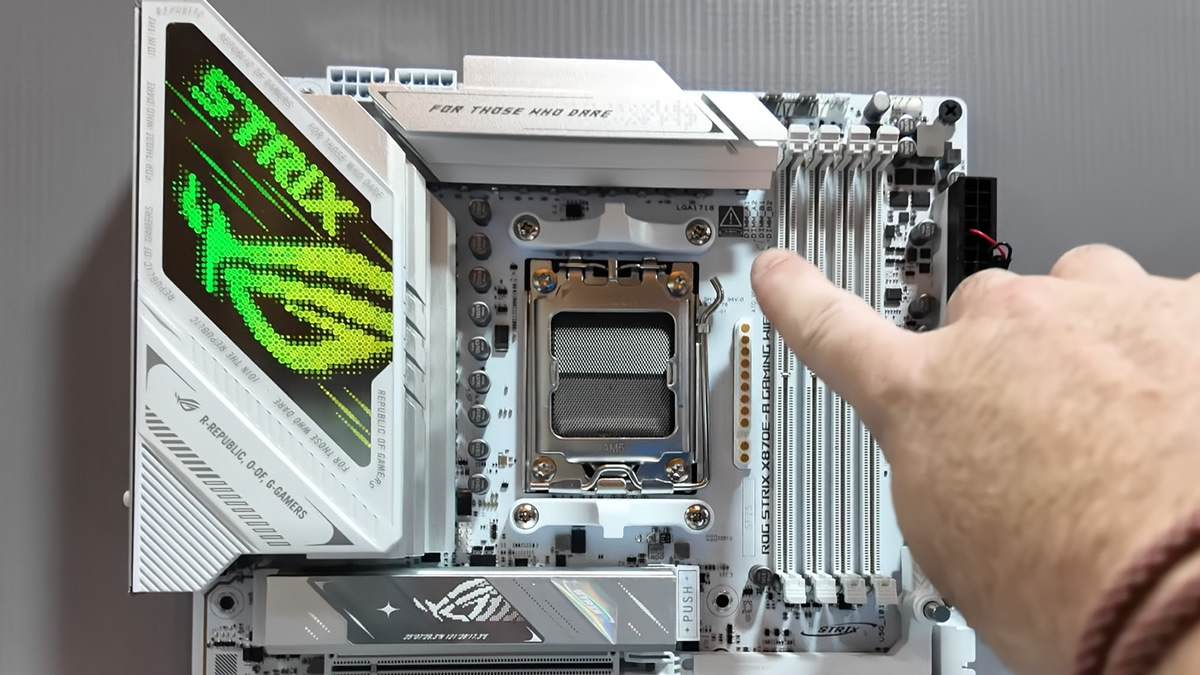
If you look closely at ASUS Neo motherboard lineup, you will see a series of golden dots beside the motherboard’s AM5 CPU socket. Those are ASUS’ AIO Q-connector, and it eliminates the need for wires hanging off your system’s AIO liquid cooling solution. Currently, this connector is only supported by ASUS’ new ROG Strix LC IV CPU cooler lineup. Note that this connector is optional, and ASUS’ new motherboards do support standard CPU liquid cooling solutions. That said, this is a neat option for those who want a “hidden cable”/”cable free” PC.
Q-series features
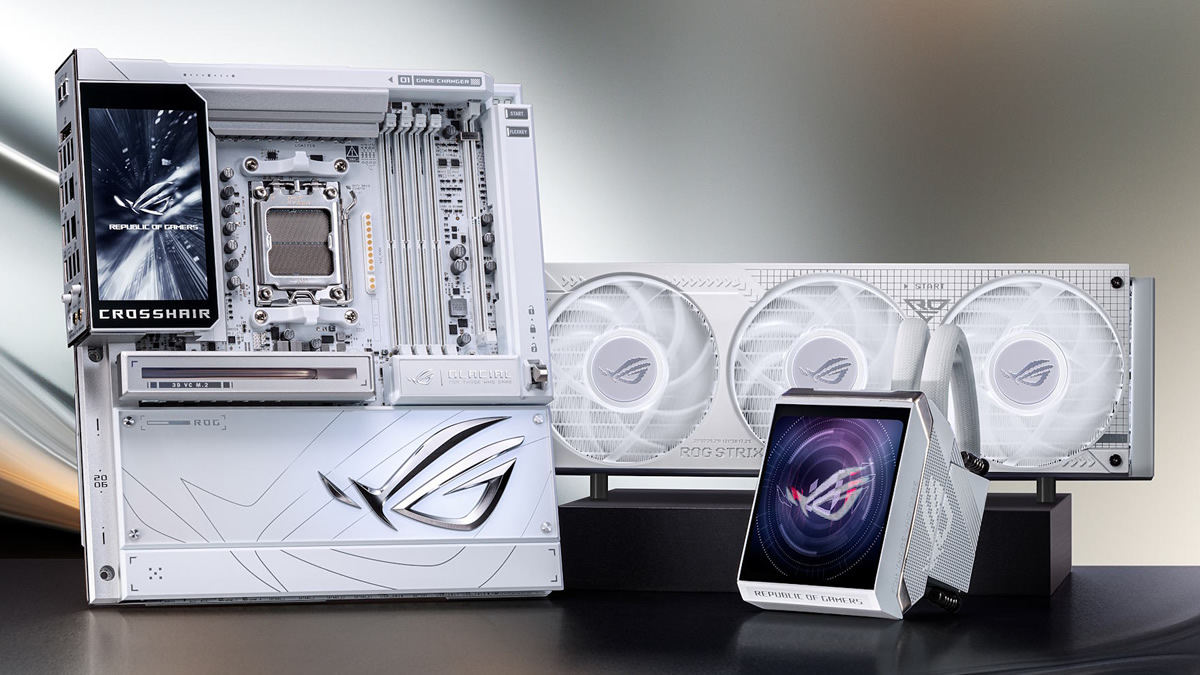
ASUS’ newest motherboards feature ASUS’ newest Q-series features. This includes the previously mentioned AIO Q-Connector. These features are designed to make the PC building process easier. For example, PCIe Q-Release allows GPUs to be released by pressing a button, eliminating the need to use hard-to-access plastic latches. Q-Release heatsinks and M.2 Q-latch SSD mounts also make M.2 SSD installation a toll-free process. These little things make the PC building process easier. That’s what ASUS’ Q-series features are all about.
With its new NEO series designs, ASUS has improved its AM5 lineup significantly. That’s great news for 2026’s PC builders. Leading this lineup is ASUS’ new ROG Crosshair X870E Glacial, which while lacking the “Neo” name, has the entire Neo series feature set.
You can join the discussion on ASUS’ Neo series motherboards on the OC3D Forums.