


Global chip supply chain left vulnerable by US-Iran War

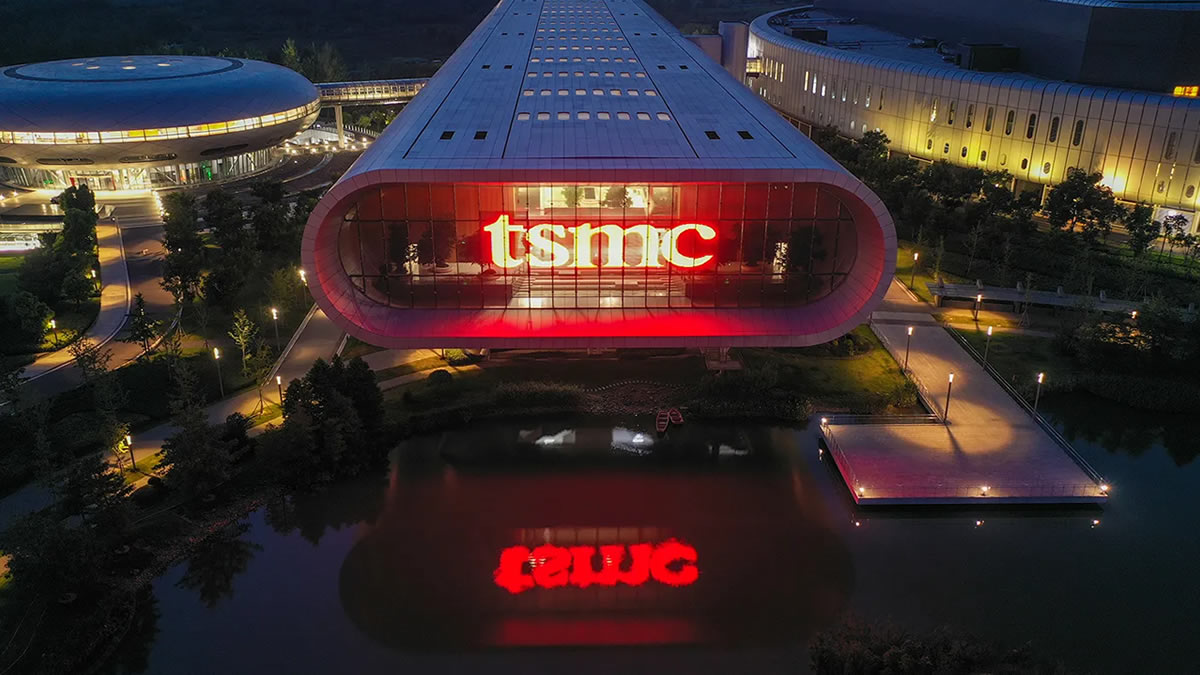
The Hormuz crisis is threatening TSMC and the global semiconductor supply chain
We have now entered the third week of the Iran conflict, with Iran effectively closing the globally vital Strait of Hormuz in response to attacks from the US and Israel. Typically, the Strait would see 20% of the world’s natural gas and 25% of the world’s oil pass through every year from various Gulf states. Right now, only oil from Iran can pass through, putting the world’s chip supply at risk.
According to Bloomberg, Taiwan is at risk of running into an energy and materials crisis. Taiwan, the global hub of chipmakers and home of TSMC, imports 97% of its power. Taiwan’s power grid is reliant on fuel from the Middle East, with 37% of its power coming from the region. This means that Taiwan has been forced to rapidly rethink its supply chains and acquire fuel from other regions at great cost.
Taiwan reportedly has enough LNG to last for 11 days without foreign imports. The closure of Hormuz has also denied the world access to Qatar’s helium, which accounts for one-third of global supply. Helium is vital for semiconductor manufacturing, and a global shortage could impact Taiwan’s chipmaking capacity.
Taiwan and TSMC are at risk
TSMC is the semiconductor company behind most of the world’s most advanced chips. Nvidia, Apple, AMD, Qualcomm, and even Intel produce chips with TSMC. Most of TSMC’s manufacturing capacity is in Taiwan, making Taiwan’s energy grid a global concern.
Taiwan has been forced to rapidly adjust its fuel procurement strategy to mitigate any vulnerabilities. For now, the island isn’t at risk of running out of fuel. However, if the war continues or escalates, it could leave Taiwan in a difficult long-term position.
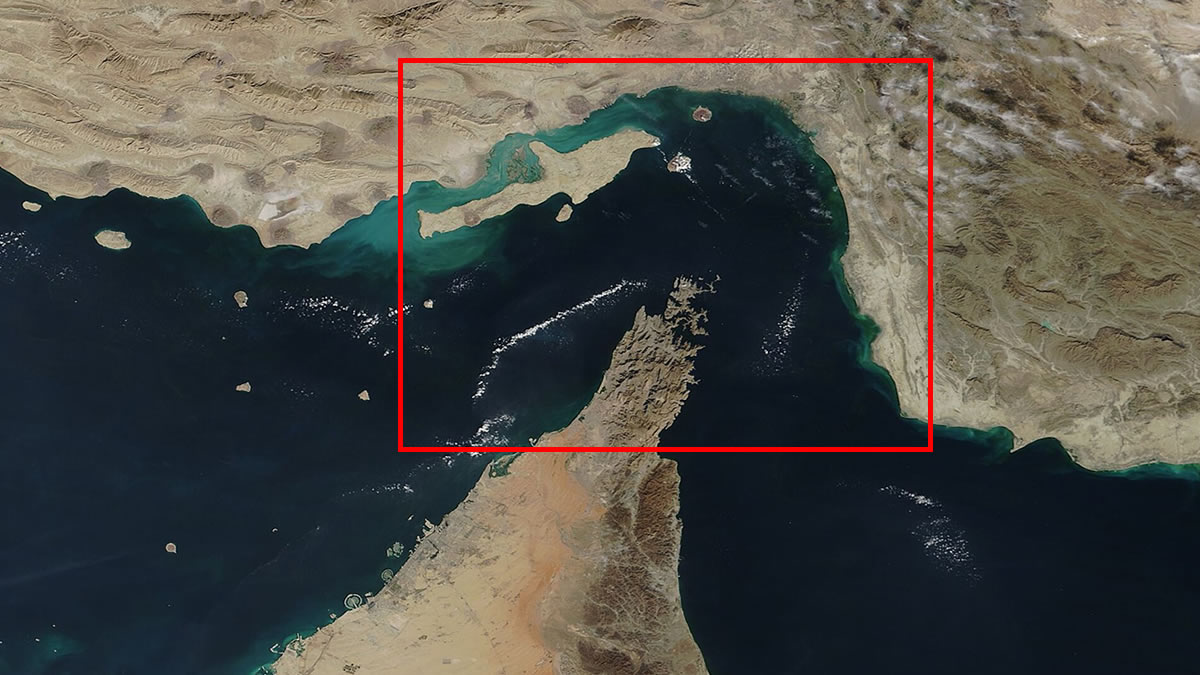
(Strait of Hormuz, where 20% of the world’s natural gas and 25% of the world’s oil passes annually)
In the short term, higher power and material costs will affect TSMC’s profitability. Long-term, if the war continues, it could force TSMC and its customers to prioritise the creation of higher-margin products. That means more datacenter chips and less consumer hardware. That could cause the price of consumer electronics to soar.
The Hormuz crisis has highlighted how vulnerable the world is to the global supply chain. If specific shipping chokepoints are blocked, the world suffers. Right now, it is unclear when the Iran conflict will end or when the Strait of Hormuz will reopen to all maritime traffic.
You can join the discussion on Taiwan’s reliance on foreign power on the OC3D Forums.