


Samsung ships “industry-first” HBM4E memory to customers

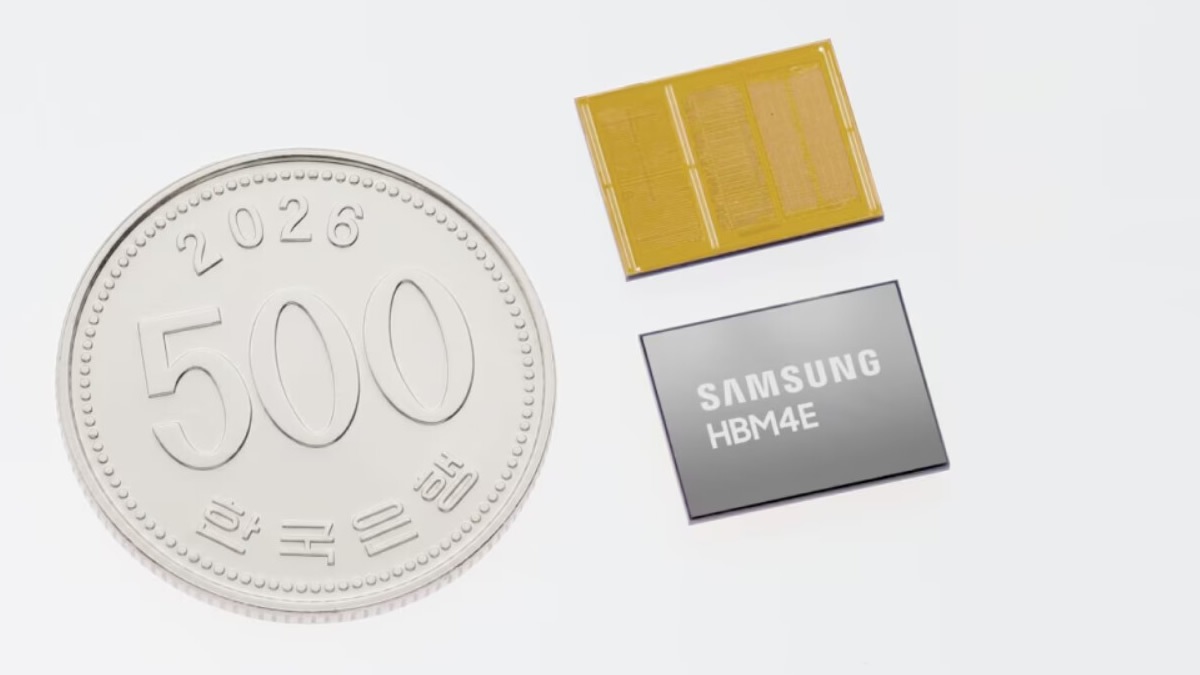
Samsung promises a greater than 20% performance boost with its HBM4E memory
Samsung Electronics has begun shipping its “industry-first” 12-layer HBM4E memory modules to customers, strengthening its position in the next-generation HBM market. This follows Samsung’s HBM4 mass production and commercial shipments earlier this year.
HBM4E delivers a stable pin speed of 14 Gbps, with scalability to 16 Gbps. This is a greater than 20% increase over HBM4, with memory bandwidth up to 3.6 TB/s per stack. For context, that’s equivalent to the memory bandwidth of two Nvidia GeForce RTX 5090 GPUs in a single HBM4E stack.
Samsung’s 12-layer HBM4E stacks can offer 48GB of memory capacity. However, Samsung also has plans to deliver 32GB 8-layer and 64GB 16-layer HBM4E products in the future.
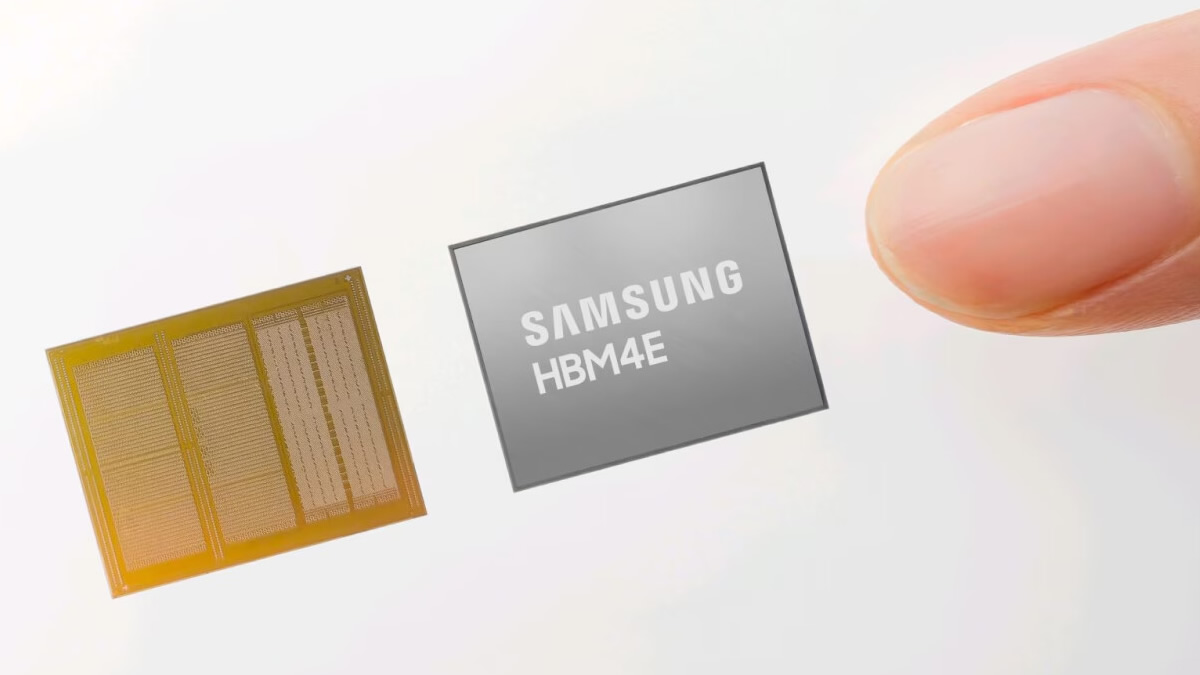
With this new HBM memory type, Samsung has claimed a 16% boost in energy efficiency over HBM4 and a greater than 14% improvement in thermal resistance. This should make this new memory type easier to cool.
Samsung has confirmed a date for HBM4E mass production, merely stating that they will be “aligned with customer schedules”. This makes sense, as there is no point mass-producing memory that your customers aren’t ready to use.
With this announcement, Samsung has made it clear that faster HBM memory is coming for future AI accelerators and other products. Next-generation AI products will not be limited by the speed of HBM4 memory, and that’s good news. That said, even with efficiency improvements, will these changes be enough to make AI profitable? Probably not, given how much investor money companies like OpenAI and Anthropic are burning each quarter.
You can join the discussion on Samsung Electronics shipping HBM4E samples to customers on the OC3D Forums.