


Kepler aims to end the AI memory crisis with custom memory tech

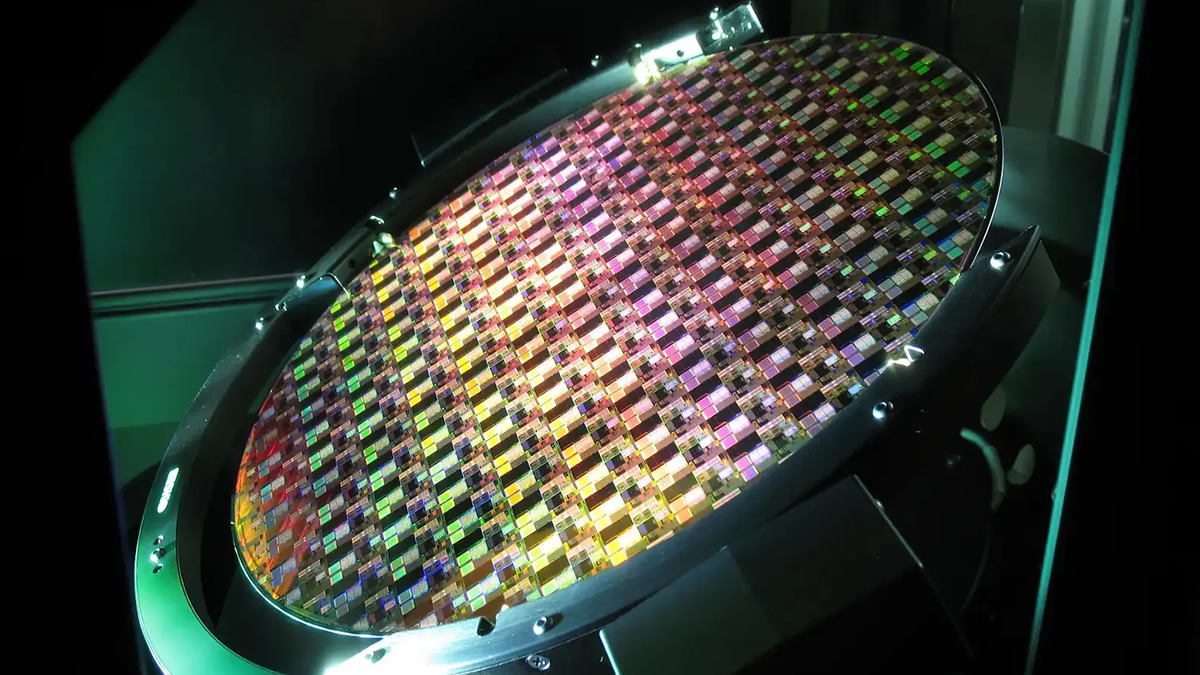
Kepler Computing’s 7-year memory bet could upend the AI memory market
Kepler Computing has emerged from hiding to unveil a new memory technology that could transform the ease the global memory shortage and transform the memory market. The California-based startup has spent seven years developing a new memory technology that offers an alternative to HBM (High Bandwidth Memory) without requiring cutting-edge EUV tools to manufacture.
Using ferroelectric technologies, Kepler has created a memory type that can “approach the bandwidth per watt of SRAM and go up to 10x beyond the capacity of SRAM and HBM.” Better still, it can be built using a retrofitted GlobalFoundries 28nm chip fab, with fab conversion estimated at eight months.
Kepler plans to start sampling its chips this year, with production ramping at a GlobalFoundries Singapore facility in 2027. In 2028, manufacturing will start in the United States, using another GlobalFoundries facility.
Memory is the biggest binding constraint on AI compute. Today we come out of stealth after a 7 year bet on this problem – introducing a new frontier of AI memories – that approach the bandwidth per watt of SRAM and go up to 10x beyond the capacity of SRAM and HBM. We raised $468m, built a dedicated fab and our AI memories sample this year and ramp to production next year. We are allocated for 2027 and will be scaling in America by 2028.
– Kepler Computing
Cutting-edge memory without cutting-edge fabs
Kepler is using raw material science to create its new memory technology. The company claims it has already made the “fundamental breakthroughs” needed to make this new memory type possible. All they need to do is scale it up and get good results on thousands of wafers. Kepler hasn’t discussed the composite materials it uses to create its ferroelectric memory, with Kepler CEO Debo Olaosebikan saying, “we’re using a small number of materials, and some of them aren’t what you’d typically find in mainstream ferroelectrics.”
With innovative materials, Kepler doesn’t need cutting-edge EUV tooling to create an HBM alternative. While they need to retool existing fabs, they are retrofitting fabs that make 28nm silicon. For context, AMD used GlobalFoundries’ 28nm silicon for pre-Zen CPUs. AMD launched its first Zen-powered Ryzen CPUs in 2017.
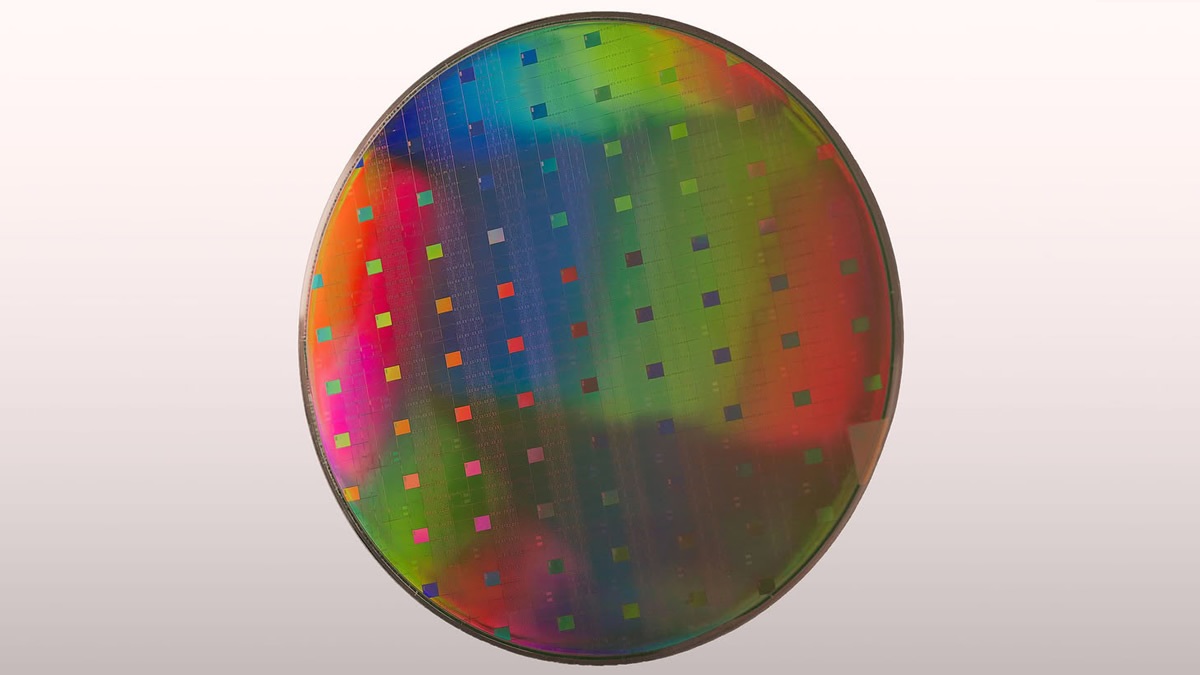
Could Kepler Computing save the global memory market?
If Kepler Computing can deliver a viable competitor to HBM memory, it could help reduce the strain that AI datacenter demand has placed on the DRAM market. If Kepler’s memory can lower HBM demand, HBM manufacturing capacity could shift to DDR5 DRAM, easing shortages.
Because Kepler’s ferroelectric memory uses older manufacturing technologies, converting existing production facilities to memory production should be faster and cheaper than building new DRAM/HBM manufacturing sites. Kepler has already raised significant funds, raising $468 million over the past few years. If Kepler succeeds, it could dent HBM’s dominance over the AI market and alleviate the world’s memory shortage. That said, it will take years for Kepler’s memory to become available in new products and have an impact.
Join the discussion on Kepler Computing’s ferroelectric memory on the OC3D Forums.