Nvidia RTX 6090 greenlit for 2027 launch – Leak claims

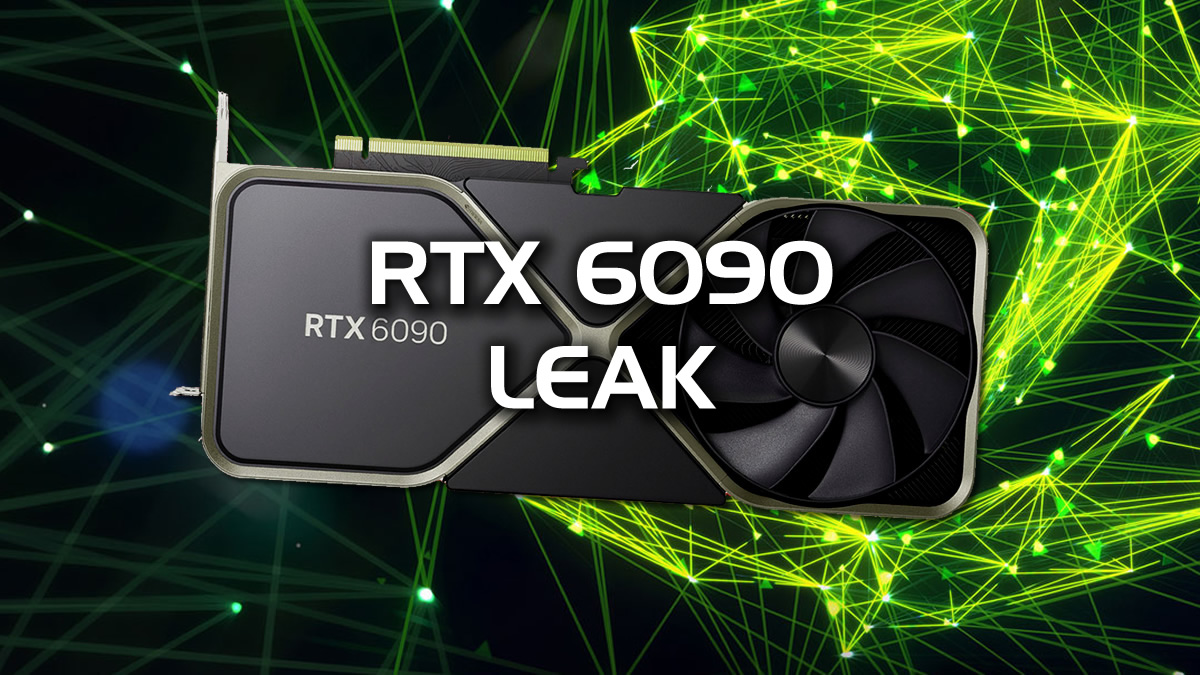
Nvidia reportedly targets H1 2027 launch for its RTX 6090 graphics card
A new report from Moore’s Law is Dead claims Nvidia is now “aiming for H1 2027” to launch its next-generation RTX 60 series graphics cards, including the RTX 6090. The leak cites an Nvidia source, who claims that the project was greenlit months ago and that Nvidia is working hard to prevent leaks.
Based on recent Nvidia leaks, the company’s gaming roadmap has been in flux. Reports claimed Nvidia was attempting to launch RTX 50 SUPER series GPUs, then later reports said these GPUs were delayed (again). If this new leak is to be believed, Nvidia has changed course, accelerating development of its RTX 60 series and cancelling its RTX 50 SUPER lineup.
With an H1 2027 launch, Nvidia could unveil its RTX 60 series at GTC 2027, Computex 2027, or another event. That said, given today’s memory shortages, it is hard to believe that Nvidia will plan to release an entirely new GPU lineup in 2027. If the RTX 50 SUPER series was delayed because of memory availability, the same struggles will apply to the RTX 60 series. If anything, the memory availability problem would be worse for the RTX 60 series. Next-generation products tend to require faster memory chips and launch with higher levels of demand than product refreshes.
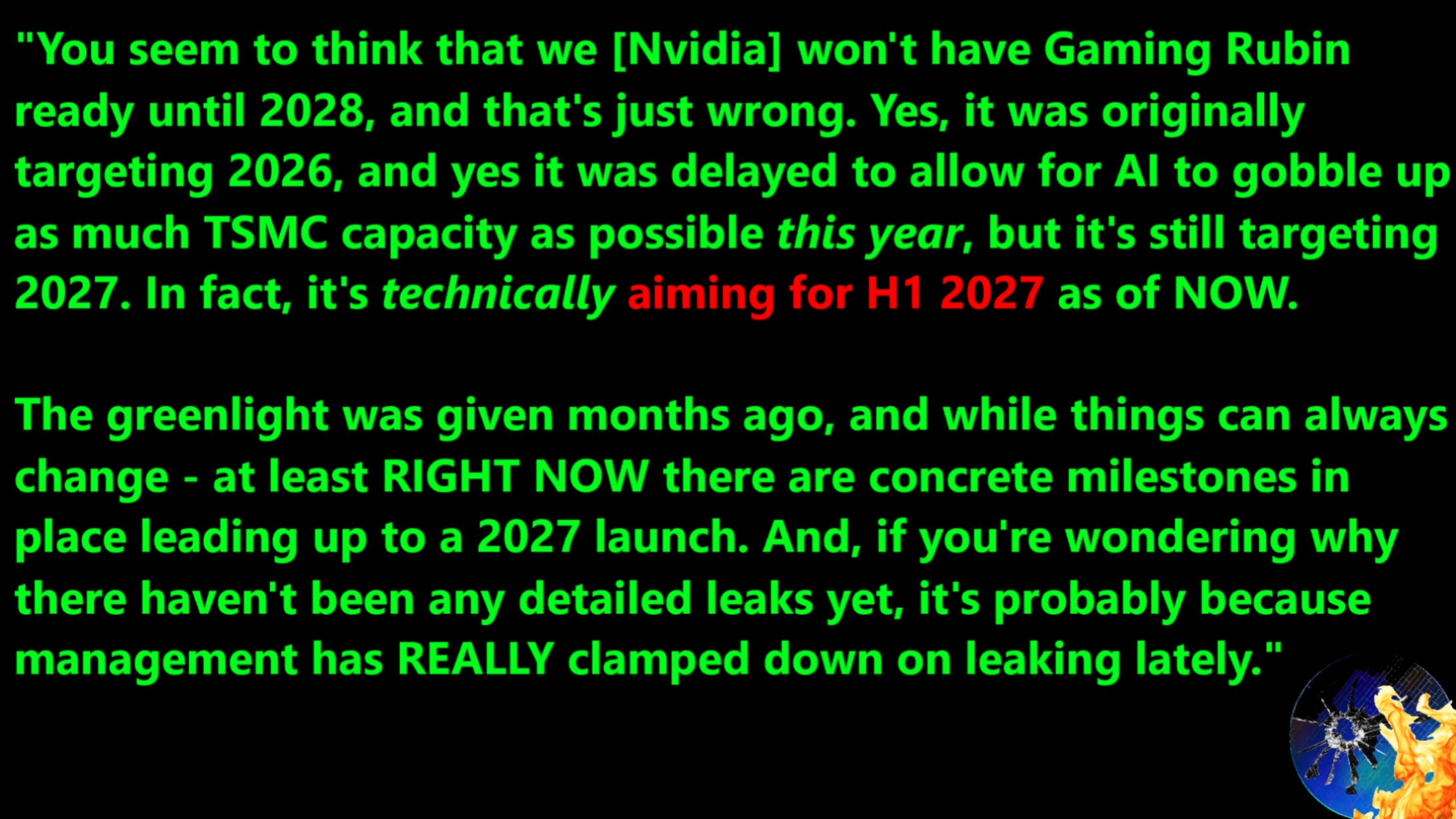
(Leaked statement from alleged Nvidia source – Moore’s Law is Dead)
MEGAsizeGPU has called out Moore’s Law is Dead’s report as a “Fake-as-hell” rumour
MEGAsizeGPU has called out Moore’s Law is Dead’s report, calling the rumour “fake-as-hell” while citing Nvidia’s supply chain issues. He also stated that “MLID always has zero credit on the Nvidia side”.
While Nvidia has traditionally released a new GPU architecture to gamers every two years, recent rumours suggest it is waiting until 2028 to release new gaming products. This is due to supply chain concerns driven by huge demand for AI compute. Memory prices have skyrocketed. There is huge demand for products using leading-edge lithography nodes. Furthermore, even simpler materials like PCBs and power phases are more expensive than before. Unless Nvidia expects these supply-chain concerns to ease in early 2027, H1 2027 is a bad time to release new gaming products.
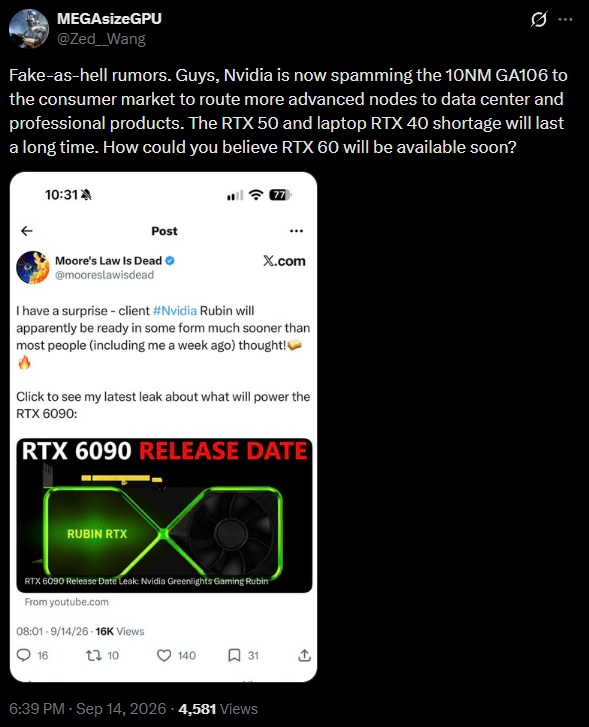
(X Post from MEGAsizeGPU)
Given current circumstances, an RTX 6090 launch in H1 2027 seems unlikely. If the RTX 60 series GPUs were launching in H1 2027, Nvidia wouldn’t have tried to bring back its RTX 50 SUPER series. We would also likely have seen more RTX 60-related leaks. After all, all prior Nvidia GPU launched have had leakers talking about them far ahead of launch.
As always, take rumours with a pinch of salt. Actually, in this case, take it with a mountain of salt. Given today’s circumstances, launching the RTX 60 series in H1 2027 seems like a bad move for Nvidia. If nothing else, Nvidia would likely have to release new products with MSRPs far above their predecessors. As a result, reviews would likely view these products unfavourably. That said, finding a GPU at MSRP these days is like finding a Unicorn. With enough performance gains or new features, Nvidia’s RTX 60 series could deliver better value for gamers. If not, it could be an incredibly disappointing launch for enthusiasts.
Join the discussion on Nvidia’s alleged 2027 RTX 6090 launch plans on the OC3D Forums.