


Micron expects memory supply to get tighter in 2027 and 2028

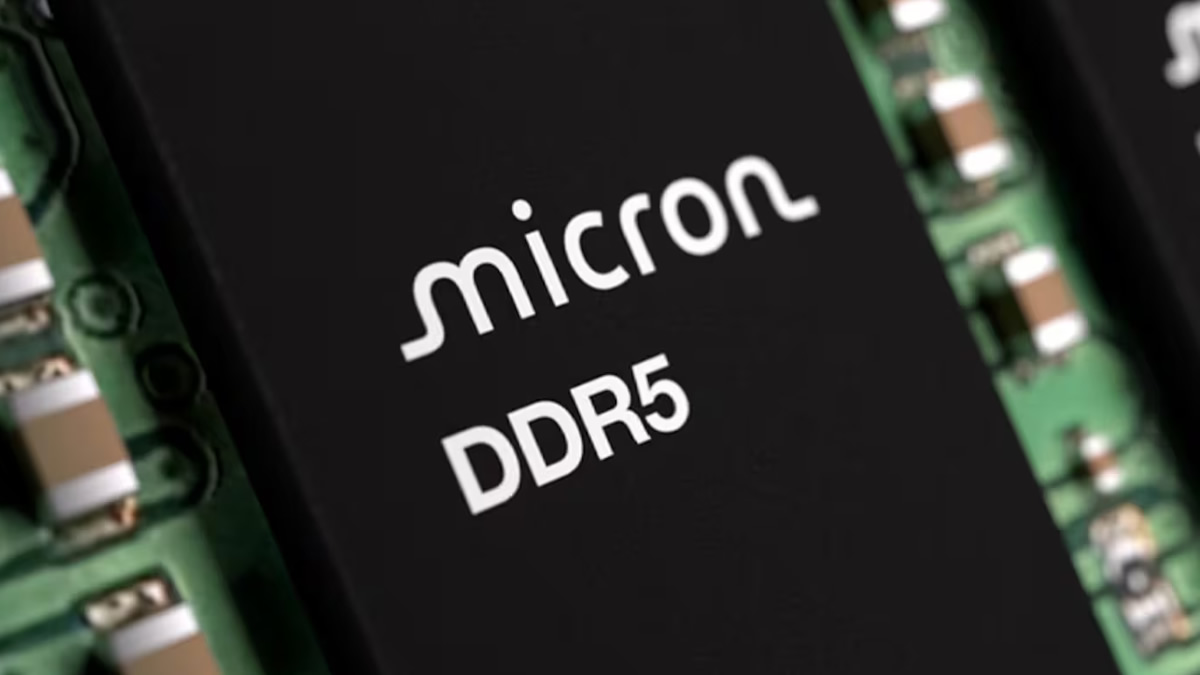
Micron thinks the memory market will get worse in 2027/2028, and they love it
During its Q4 2026 earnings call, Micron CEO Sanjay Mehrotra said he expects memory and storage demand conditions to “be much tighter” in 2027/2028. In other words, he expects the memory and storage supply crisis to get worse, despite planned increases in memory supply.
Memory prices have already reached unprecedented levels, and with worsening demand conditions predicted, DRAM prices are likely to worsen over the next year. Mehrotra said over 75% of Micron’s 2027 supply has been committed to customers, leaving little supply for others.
Industry demand has strengthened since our last earnings call, and we expect memory and storage supply demand conditions to be much tighter in fiscal 2027 and 2028 than they were in 2026. AI is becoming super intelligent, and memory enhances this intelligence and the competitiveness of our customers’ platforms.
– Sanjay Mehrotra, Chairman and CEO, Micron Technology
While Micron plans to increase its memory supply, these supply increases are not expected to let DRAM supply exceed demand. While the gap between supply and demand may narrow in late 2027 and 2028, DRAM prices aren’t expected to decrease anytime soon.
The structural gap between DRAM supply and demand growth rates is resulting in ongoing supply tightness and clean room additions are required to augment node transition supply growth and help narrow the gap. Even with additional industry DRAM clean room space plans with robust demand trends, including new upside requests from customers, we do not have line of sight to when supply and demand will return to balance.
– Sanjay Mehrotra, Chairman and CEO, Micron Technology
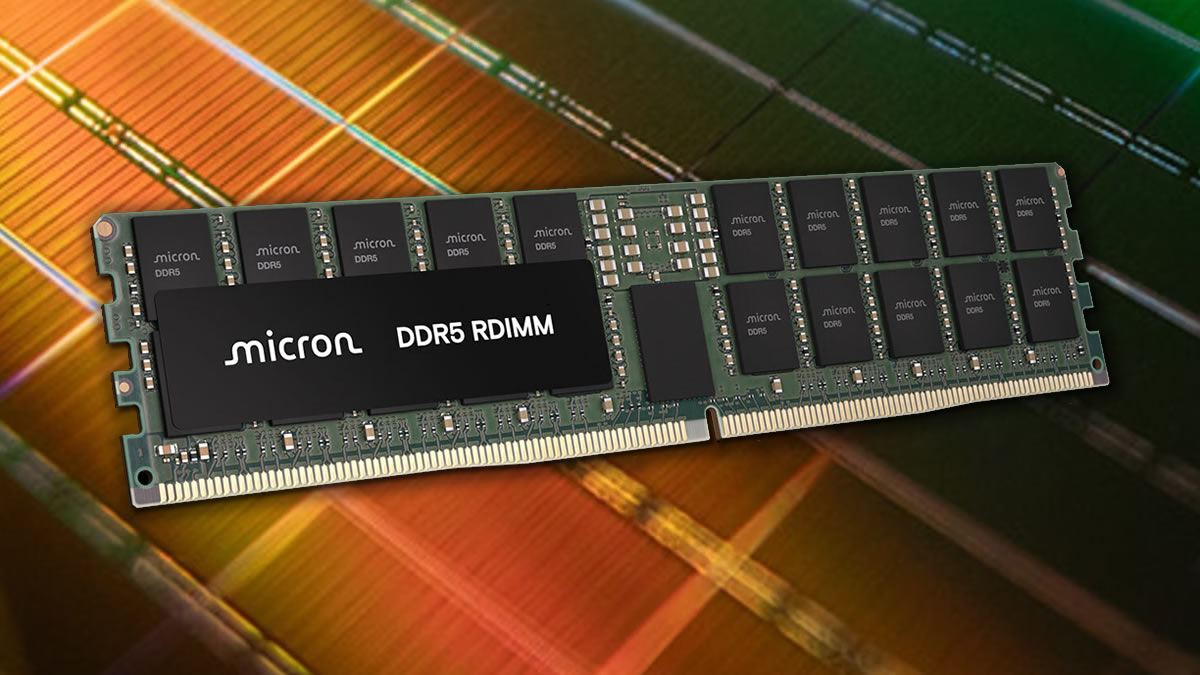
We can blame AI datacenters for the PC memory crisis
With AI datacenters demand being the primary cause of today’s memory shortages, there are only two things that can lower memory prices. Those are growing memory supply by building new manufacturing facilities, or reducing AI datacenter demand. DRAM manufacturing sites take years to build, and while new manufacturing facilities are due to come online over the coming years, it will take time for supply to meet demand, and longer to exceed it.
In the short term, the only thing that can cause DRAM prices to fall is an implosion in AI datacenter demand. This would be caused by the popping of the so-called “AI bubble”. Even then, long-term DRAM supply agreements will keep DRAM prices higher for customers for some time. If AI fails to become the money maker that investors expect, demand for expensive new datacenters will collapse. If or when this happens is unknown. As it stands, OpenAI and Anthropic do not appear to be profitable companies. If they cannot turn a profit, the datacenters they use likely won’t either.
The “AI boom” has created a miserable situation for the consumer electronics market. It has made everything more expensive, especially for hardware enthusiasts. A 2GB Raspberry Pi 5 now costs $2.50 less than a Day 1 8GB Raspberry Pi 5. That’s a 4x memory decrease. An 8GB Raspberry Pi 5 now costs more than double what it did at launch. Similar price decreases can be seen across the PC and electronics industry. If your product uses memory, it now costs more to produce.
Join the discussion on Micron expecting memory supply to become tighter in 2027 and 2028 on the OC3D Forums.