


Intel 14A moves closer to production with PDK 0.9

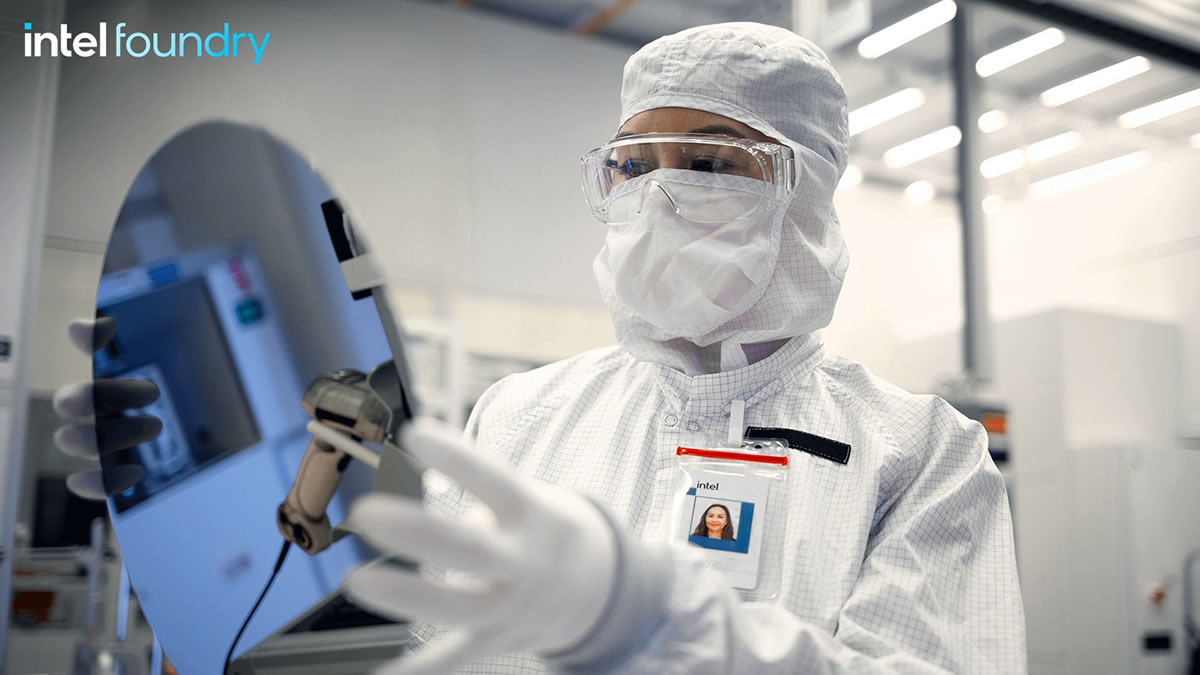
Intel Foundry launches version 0.9 of its 14A Process Design Kit as it moves towards full-scale production
Intel has delivered version 0.9 of its 14A (1.4nm) process design kit (PDK) to potential Intel Foundry clients. This will allow 3rd parties to design products for Intel’s upcoming lithography node. Intel is confident that it will release version 1.0 of its PDK in Q1 2027, certifying that its new node is ready for high-volume manufacturing (HVM).
Intel’s process PDK is a set of design rules, transistor models, and other details that are required to design products for specific manufacturing processes using electronic design automation (EDA) tools. PDKs are vital for modern chipmaking, as they are what enable chipmakers to turn their designs into real products. Poor-quality PDKs will deter chipmakers from using specific technologies, making this release vital for Intel and 14A.
Risk production for Intel 14A is expected in the second half of 2027, with high-volume production expected in 2028. Intel says that its 14A node is progressing on schedule, with Intel fine-tuning the node to increase silicon yields.
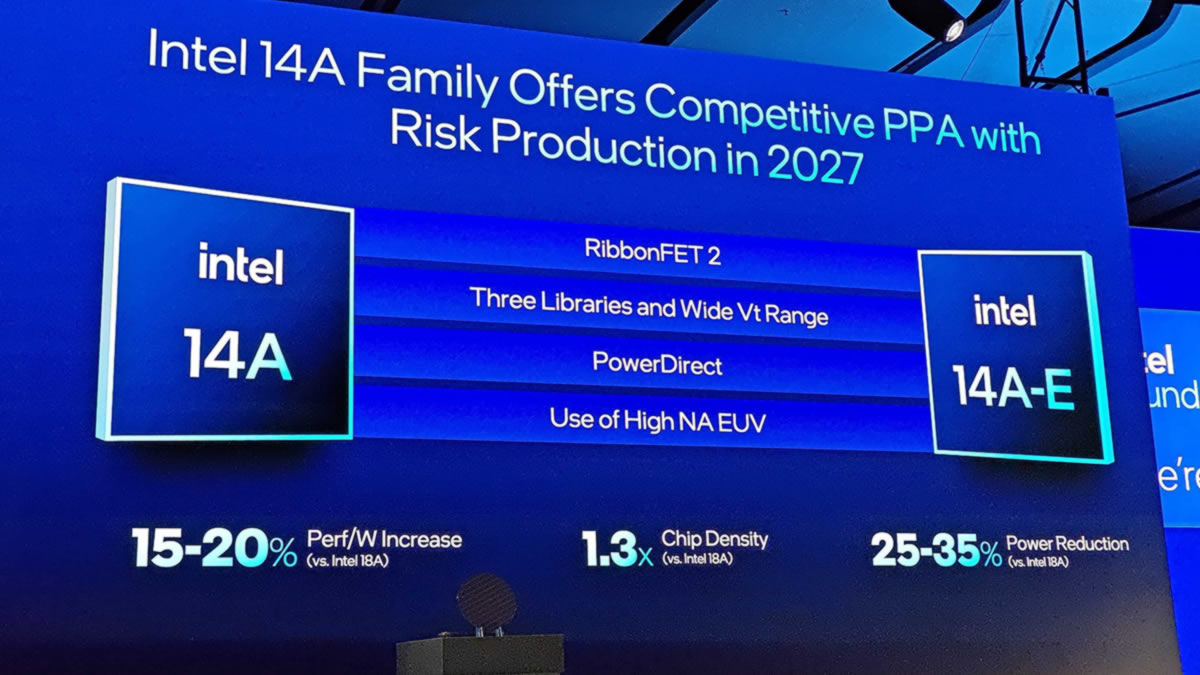
Intel 14A performance expectations
Intel’s 14A node is expected to be faster, more efficient, and denser than its 18A node. Intel’s foundry division expects 14A to deliver 15-20% more performance per watt than 18A. Intel also expects a 1.3x density increase over 18A. Additionally, Intel expects a 25-35% reduction in power draw over 18A at the same performance levels. Overall, Intel expects its 14A node to be within 5% of TSMC’s A14 node in performance terms.
For its 14A node, Intel’s using cutting-edge High NA EUV equipment to help deliver denser transistors. In contrast, TSMC is sticking to standard (Low-NA) EUV machines. This new equipment should help Intel boost its productivity and increase its yields. That said, will this be enough to bring Intel’s lithography technology in line with TSMC?
Intel reportedly has many 3rd parties interested in its next-generation lithography nodes. Apple is reportedly interested in using Intel’s 14A and 18A-P nodes. However, this deal has not been confirmed.
Join the discussion on Intel’s 14A progress on the OC3D Forums.