


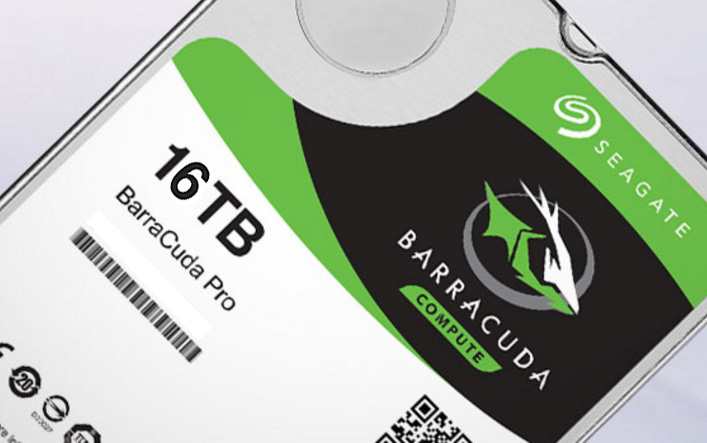
Seagate plans to offer 14TB and 16TB HDDs within the next 18 months

Seagate plans to offer 14TB and 16TB HDDs within the next 18 months
Shingled Magnetic Recording technology can be used to increase storage capacity by up to 25% by slightly overlapping newly written magnetic tracks. SMR technology will increase drive capacity but reduce the drives write speeds, making the drive less suitable to use cases which require lots of data writes. Recently Seagate has been able to get around these shortcomings by using a 128MB DRAM Cache buffer and their new Multi-tier Caching system, which gives their new drives higher instantaneous write speeds than traditional SMR HDDs.
In recent years HDDs have been losing market share to SSDs, especially in laptops and other consumer systems. Large HDDS still remain vital for the server market and large consumer and enterprise NAS solutions, which is making the demand for high capacity HDDs larger than ever, allowing Seagate to generate $2.9 billion in revenue over the last fiscal quarter.
You can join the discussion on Seagate’s upcoming 14TB and 16TB HDDs on the OC3D Forums.
Seagate plans to offer 14TB and 16TB HDDs within the next 18 months
Shingled Magnetic Recording technology can be used to increase storage capacity by up to 25% by slightly overlapping newly written magnetic tracks. SMR technology will increase drive capacity but reduce the drives write speeds, making the drive less suitable to use cases which require lots of data writes. Recently Seagate has been able to get around these shortcomings by using a 128MB DRAM Cache buffer and their new Multi-tier Caching system, which gives their new drives higher instantaneous write speeds than traditional SMR HDDs.
In recent years HDDs have been losing market share to SSDs, especially in laptops and other consumer systems. Large HDDS still remain vital for the server market and large consumer and enterprise NAS solutions, which is making the demand for high capacity HDDs larger than ever, allowing Seagate to generate $2.9 billion in revenue over the last fiscal quarter.
You can join the discussion on Seagate’s upcoming 14TB and 16TB HDDs on the OC3D Forums.