


SK Hynix starts mass producing ZUFS 4.1 NAND, boosting mobile storage performance

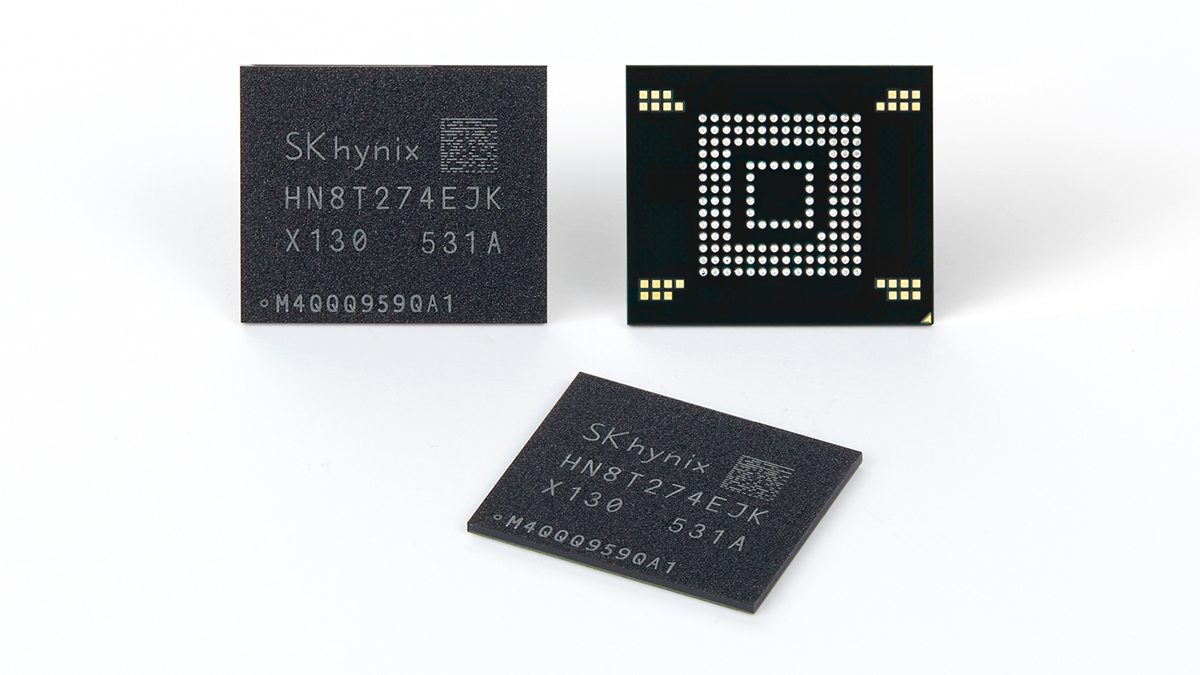
SK Hynix is making future smartphones snappier with its ZUFS 4.1 NAND storage
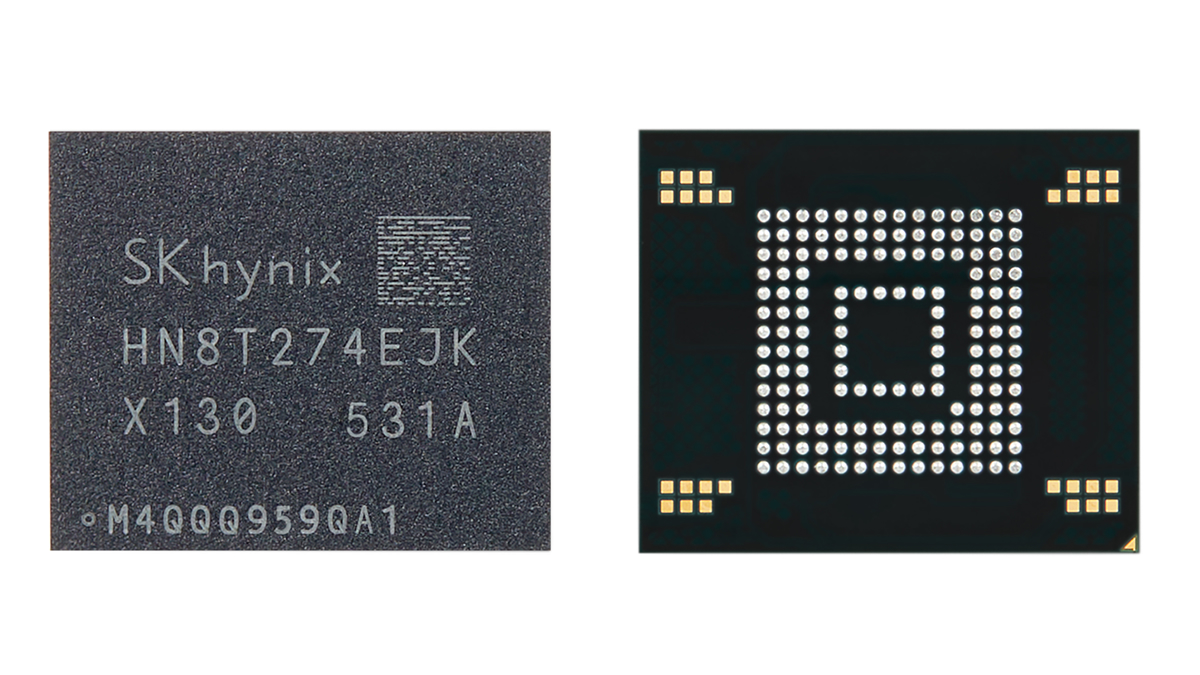
SK Hynix has begun mass-producing ZUFS 4.1 NAND solutions and is shipping this high-performance NAND to customers. This new NAND was developed through a collaboration aimed at optimising the performance of Android OS devices and other storage solutions. With ZUFS 4.1 NAND, operating speeds and data management efficiency are improved. This mitigates read performance degradation and can enable a 45% reduction in app launch times.
With ZUFS 4.1, SK Hynix has also enhanced error handling over ZUFS 4.0 NAND, resulting in improved reliability and recovery performance. With this new memory, SK Hynix wants to make Android devices faster. Furthermore, they want to create a better hardware ecosystem for on-device AI and other data processing applications.
ZUFS, Zoned UFS, is a new memory type that applies Zoned Storage technology to UFS NAND. Note that this storage locates data in different zones depending on their usage and characteristics. If data is written sequentially, it can be read faster.
When installed in a smartphone, ZUFS 4.1 enhances the operation speed of the operating system (OS) and improves data management efficiency. As a result, it mitigates read performance degradation over extended use by more than four times compared to conventional UFS, enabling a 45% reduction in app launch times. Unlike conventional UFS which writes new data by overwriting existing data, ZUFS 4.1 writes data sequentially. This data storage method has resulted in a 47% reduction in AI app launch times.
– SK Hynix
With a 45% reduction in app launch times and a 47% reduction in AI app launch times, ZUFS memory should greatly improve the performance of future mobile devices. SK Hynix has become the first to mass-produce and ship this new memory. This positions them as the memory provider of choice for the creators of next-generation smartphones and other devices.
If this memory performs as expected, “read degradation” will become a much smaller issue on mobile devices. With sequential data writing, devices will benefit from more efficient data management. This change will prevent new devices from feeling slower over time, as read performance degradation mitigations ensure that data remains efficiently located. However, these mitigations lower “performance degradation over extended use by more than four times compared to conventional UFS”. This means that performance degradation can still happen. Regardless, it should allow devices to remain faster for longer.
You can join the discussion on SK Hynix’s new ZUFS 4.1 NAND on the OC3D Forums.