


ASUS saved our bacon – We had 12VHPWR/12V-2×6 cable issues

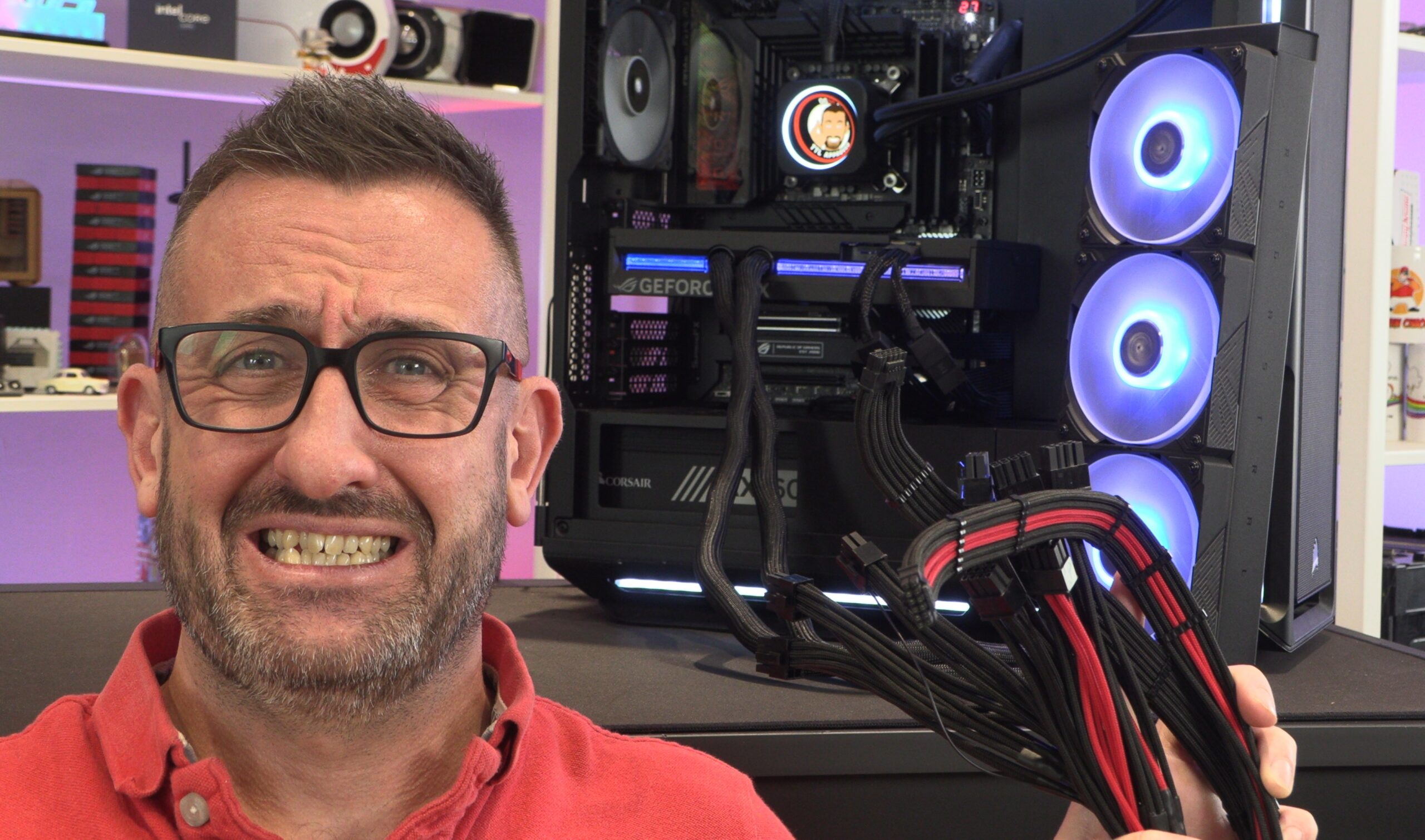
We’ve had some power cable issues, and ASUS may have saved us
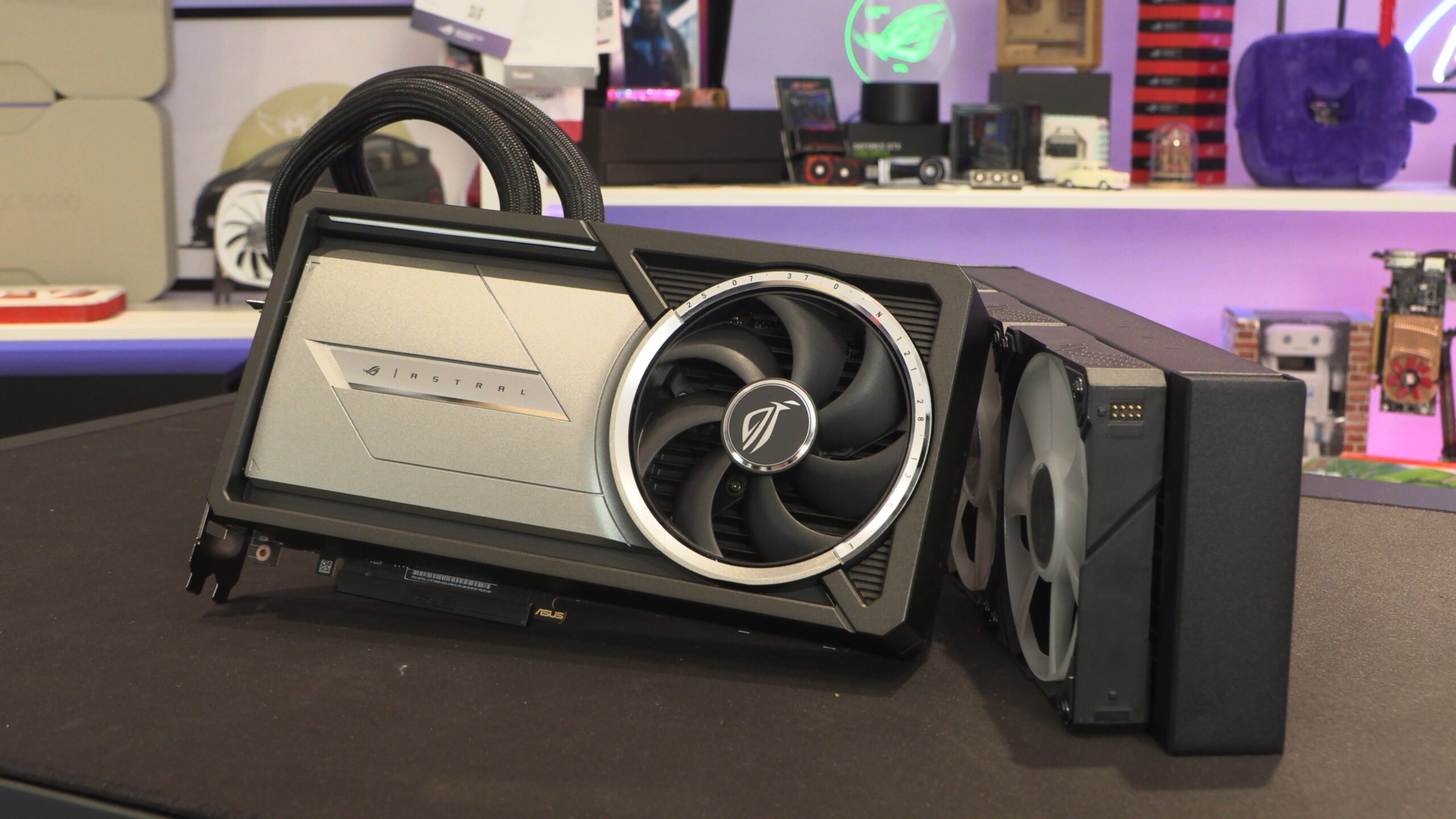
We’ve been testing ASUS’ ROG Astral RTX 5090 LC (Liquid Cooled) graphics card, and thanks to it, we have been able to uncover some cable issues that may have become disastrous for our GPU test rig. Let’s face it: the 16-pin 12VHPWR/12V-2×6 power standard has been controversial from the start. At first, people didn’t want to move away from traditional 8-pin power connectors. Later, safety concerns arose…
Today, we have our own 12VHPWR/12V-2×6 story to tell. While it isn’t as sensationalist or catastrophic as others, it is undoubtedly a story we feel needs to be told. Wear and tear can cause problems with today’s 16-pin GPU power connectors, and we were on the road to a catastrophic hardware failure. Thankfully, we learned a valuable lesson before such an event could take place.
How ASUS saved our bacon and uncovered our 16-pin cable issues
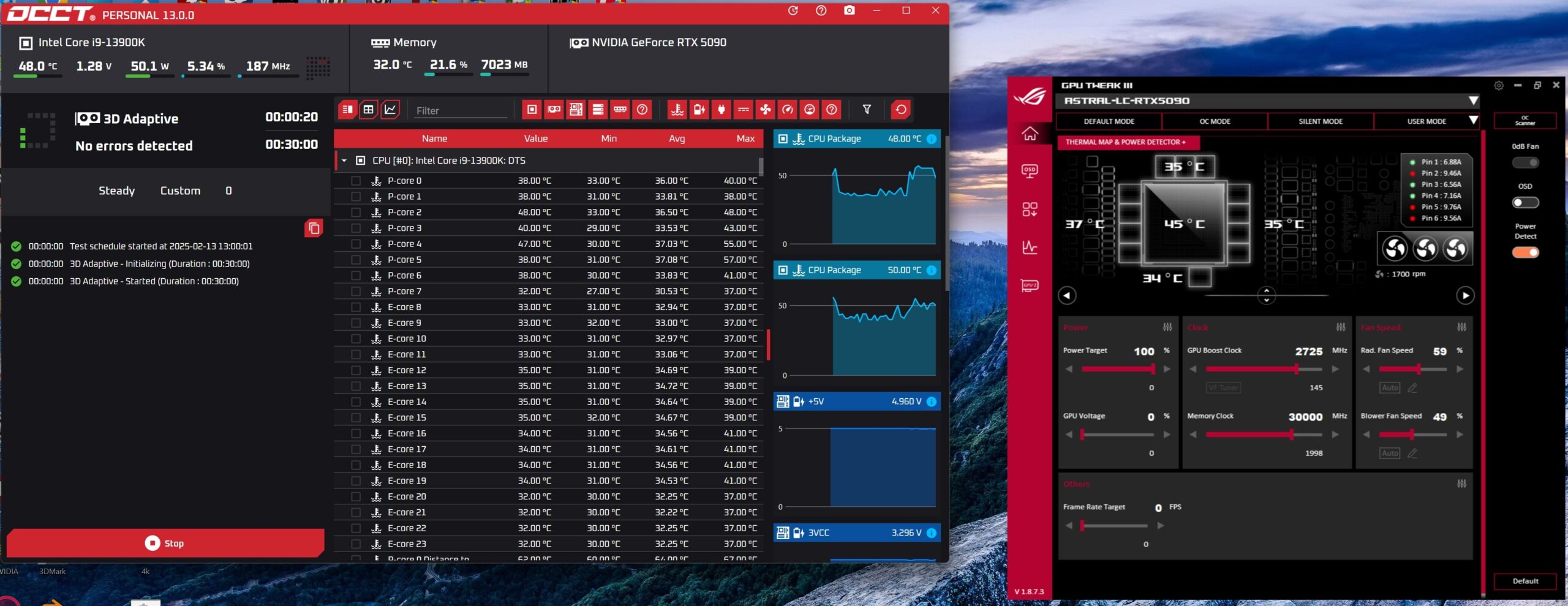
Unlike most RTX 50 series graphics cards, ASUS’ ROG Astral RTX 5080 (review here) and RTX 5090 series GPUs have a feature called “Power Detector”. This feature allows ASUS’ GPU Tweak software to uncover GPU power cable issues by tracking the current that’s going through each of a 12VHPWR/12V-2×6 cable’s voltage pins.
While testing ASUS’ ROG Astral RTX 5090 LC GPU, we uncovered a startling problem. Despite correctly/fully inserting our 16-pin GPU power cable, several of our GPU’s voltage pins had red indicators. Power was being unevenly pulled through our power connectors.
After repeatedly reseating our cables, we found that at least one light remained red. While we could get all lights to be green with careful manipulation, we clearly had a problem. More shockingly, this problem would not have been noticed without ASUS’ “Power Detector” feature. Had we not been reviewing this specific graphics card, this problem would never have been noticed.
Cable wear is an issue that PC builders need to be aware of
What’s clear to us now is that wear and tear can be problematic with today’s 12V-2×6 power connectors. The 12v-2×6/12VHPWR cable standard is designed to handle up to around 660W, and the cable is rated for 600W. This gives this standard a safety factor of 1.1. That’s pitifully small. That means that factors like general wear and tear can cause problems.
For older 8-pin power connectors, their safety factor was 1.92. The cable was rated for 150W but could handle almost double that. That’s why most PC builders have never heard of anyone having issues with traditional 8-pin connectors.
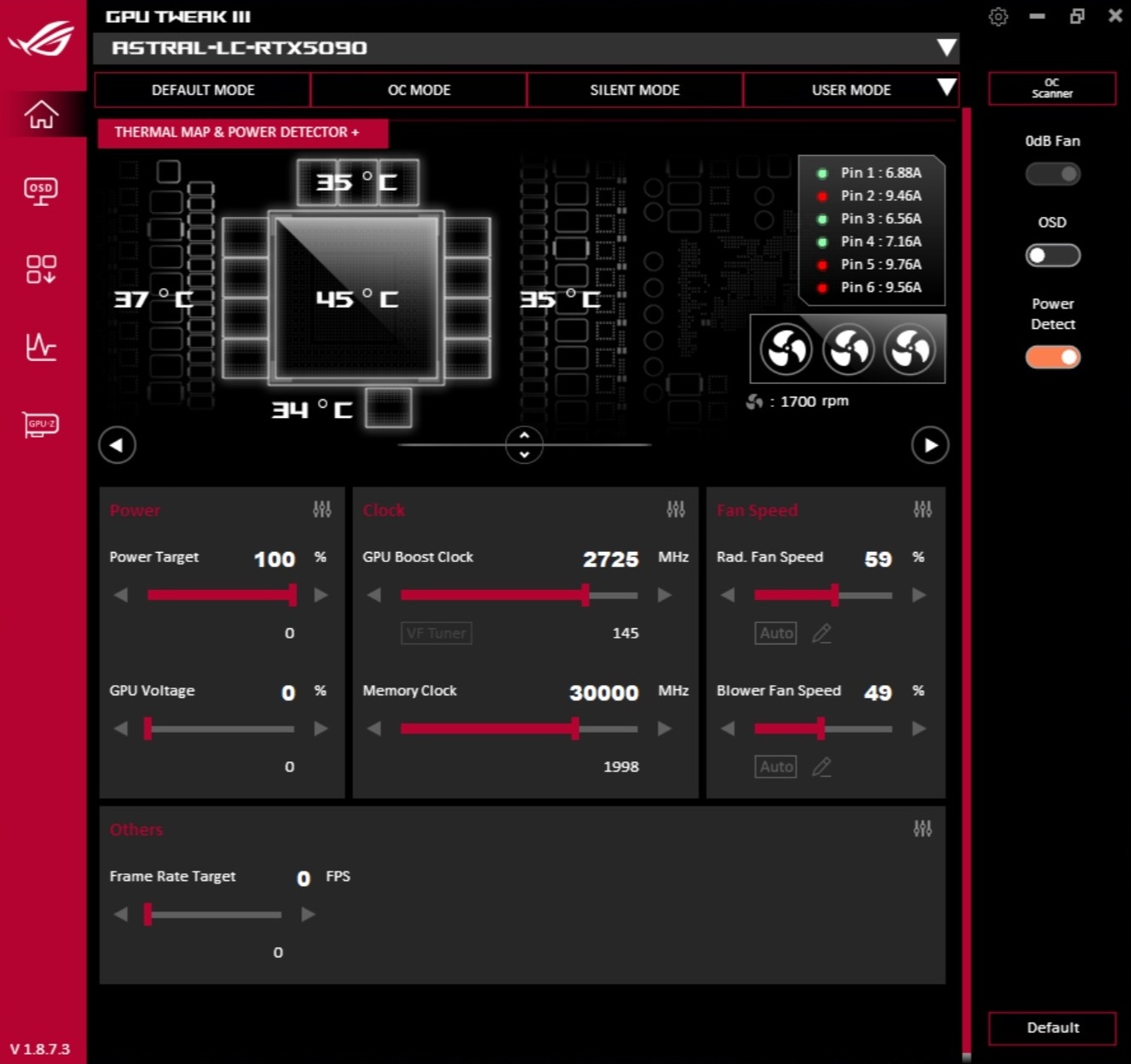
(Uneven power distribution using an old 16-pin power cable)
All green with a fresh 12V-2×6 cable
All lights were green when we switched to a new 12V-2×6 power cable. Only our hard-used 16-pin power cables had issues. This implies that general wear and tear could make the difference between a safe and a dangerous power cable. However, we must note that we have been using the same 16-pin power cables for years of GPU testing, making our cables incredibly well-worn.
Had we continued as we were, it would only have been a matter of time before our 16-pin power cables became more dangerous. As such, we are now recommending that users purchase new power cables for use with new graphics cards. After all, a new cable is inexpensive compared to an RTX 5090, and nobody wants to RMA a GPU with a melted power port.
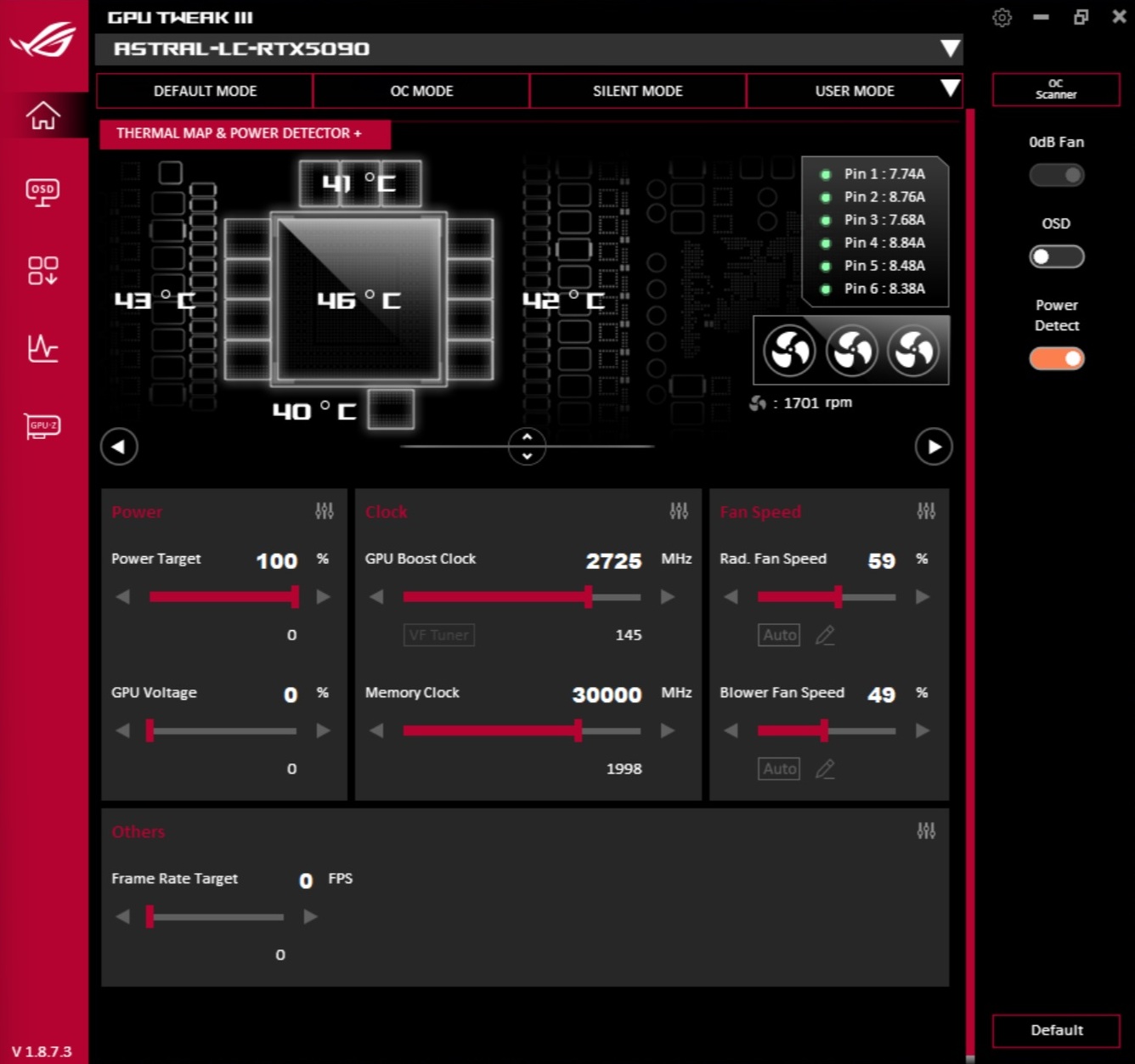
(More even power distribution using a fresh cable.)
Closing thoughts
Today, we learned that worn/used 16-pin GPU power cables can have uneven power distribution across the cable. Potentially, this can lead to dangerous amounts of power going through specific voltage pins. To be frank, the OC3D GPU test system was on the road to disaster. Our cables were used to test a huge number of graphics cards, and that wear adds up. While we don’t expect many other PC builders to use/abuse their 16-pin cables as much as we do, cable wear is a factor that PC builders must consider. The safety margins of the 12V-2×6/12VHPWR standard are too low for us to simply ignore this issue.
From now on, 16-pin GPU power cables will be considered by us as a consumable item. To help avoid issues, we will be replacing our cables regularly to help prevent catastrophic issues. To be clear, this is something that shouldn’t need to happen. We have never needed to do this with 8-pin PCIe power cables. Simply put, the only reason we need to do this is because the 16-pin GPU power standard is not good enough. Frankly, we believe that all high-end RTX 5090 GPUs should probably be using two of these cables for power. These cables are running far too close to their limits, and that’s a problem.
For consumers, our recommendation is clear. When you buy a power-hungry GPU, consider buying a new 16-pin power cable. If you bought a new PSU with your GPU, you won’t need a new cable. However, if you plan to reuse your power supply, a new 12V-2×6 cable could save your bacon. A lot of PSU manufacturers sell replacement 12V-2×6 cables, and many good 3rd party options are available (like those from CableMod). With high-wattage GPUs costing £1,000+, purchasing a £20-30 cable is a worthy investment for those who want some extra peace of mind. It’s just a shame that such considerations are necessary.
You can join the discussion on our 12VHPWR/12V-2×6 cable issues on the OC3D Forums.