STALKER 2 PC Performance Review and Optimisation Guide

Conclusion
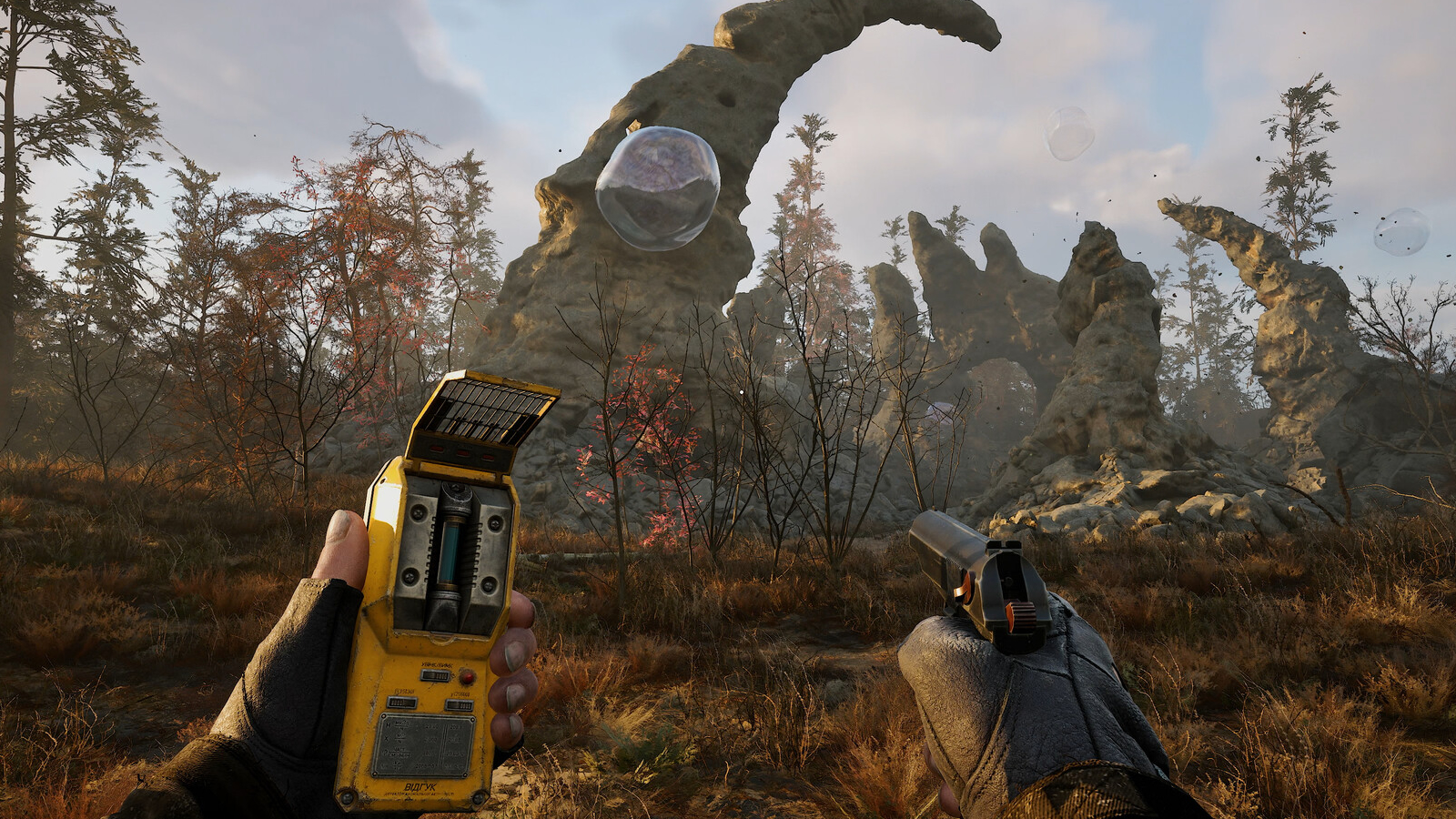
If you played the originals, you should know what to expect from STALKER 2
STALKER 2 is a solid game, but it is a little janky. Much like the originals, this sequel has bugs. That said, the game isn’t as buggy as early reviews may have led you to expect. In my eyes, the game is the lovable Skyrim style of janky, as nothing has “ruined” the game for me, at least so far. That said, your mileage may vary.
The first warning I will give PC gamers is that this game doesn’t run well on GPUs with 8GB (or less) memory. If you use an 8GB GPU, you should play this game at medium settings. That will help you avoid VRAM-related issues. If you don’t, this game’s performance will become unstable and stutter frequently. Avoid this problem by using lower graphical settings. Rest assured, STALKER 2 still looks great at medium settings.
Another warning I will give is that STALKER 2 is very CPU-limited. Even high-end CPUs will struggle here. This is especially true in NPC-heavy areas of the game. Maybe GSC Game World has a CPU optimisation patch planned to help with this. That said, lower game settings can help reduce CPU load. Frame Generation can also lessen the noticeability of CPU-related performance drops.
Like many modern games, STALKER 2 relies heavily on supporting modern upscaling technologies. They deliver significant performance boosts to users, especially at 4K. Overall, Nvidia’s DLSS technology delivers the best results. Unreal Engine 5’s TSR upscaler is next on our quality list, delivering better upscaling results than AMD FSR. AMD users should use TSR over FSR, as it delivers better final results with less aliasing.
Regarding Frame Generation support, I will note that FSR 3 Frame Generation doesn’t work on Nvidia GPUs, at least based on our testing. Similarly, the lack of Frame Generation support in in-engine cutscenes is a problem. Once gamers enter a cutscene, frame generation turns off, and framerates noticeably drop. Enabling DLSS and FSR in these scenes will result in a smoother experience and make cutscenes less jarring.
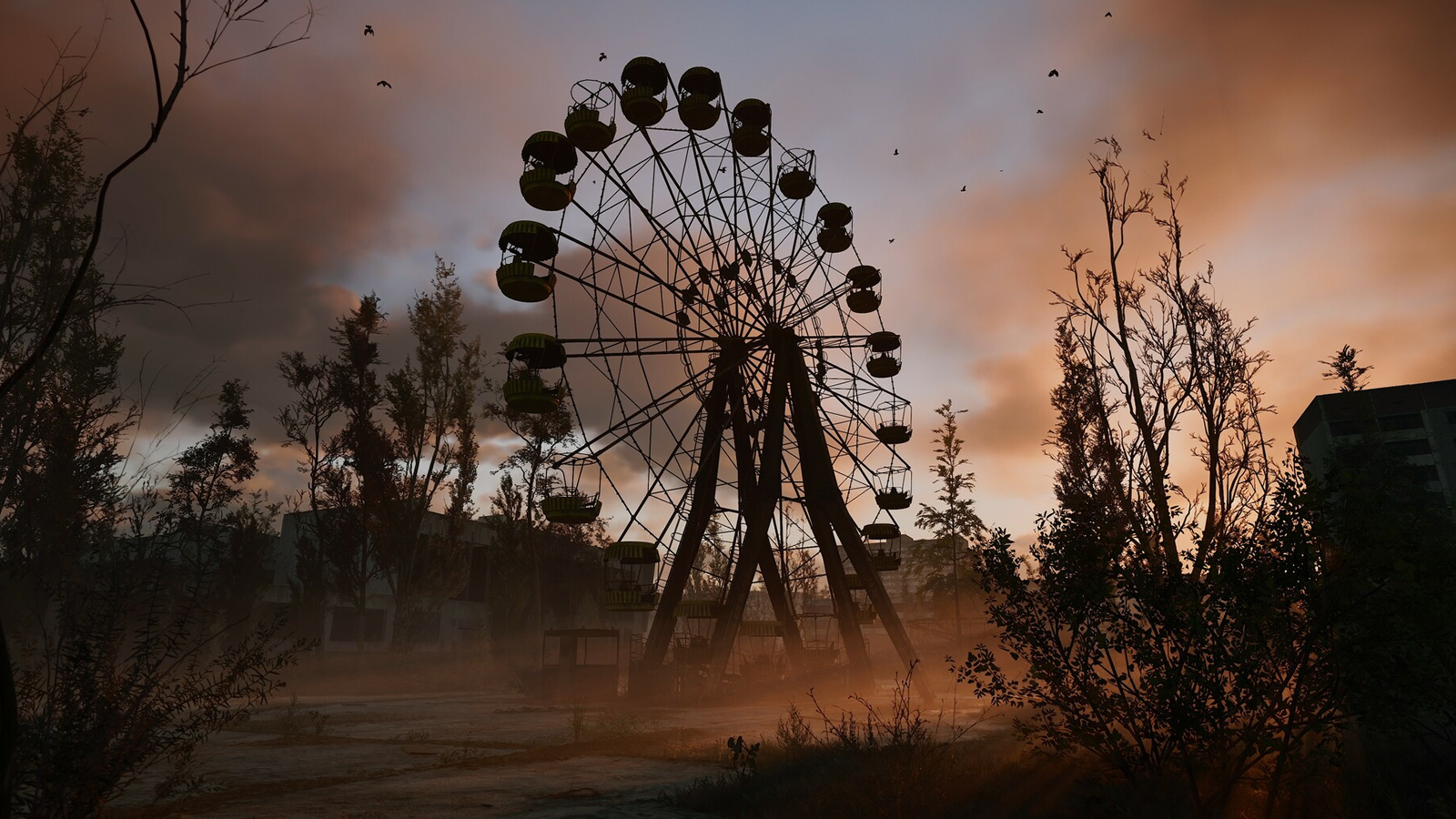
Like its predecessors, STALKER 2 is a game that calls on the PC hardware world to build better CPUs and GPUs. Overall, STALKER 2 is a great-looking game. While some areas look much better than others, it is hard to argue that this isn’t a beautiful PC game. That said, sometimes, this game’s hardware demands are not justified by its visuals. This is a hugely demanding game, and it could probably run better if it used a newer build of Unreal Engine 5.
STALKER 2 uses Unreal Engine 5.1. Newer versions of Unreal Engine 5 feature more performant versions of the engine’s key features. If GSC Game World plans to support STALKER 2 in the long term, a move to a newer version of Unreal Engine 5 would be a welcome change. Such a move could enable better visuals and smoother framerates on PC and consoles.
Overall, STALKER 2 is a solid game that delivers the same atmosphere as its predecessors. Gameplay is solid, but this game will likely require a bit of tinkering to get it running optimally on your system. This is a demanding PC game, but it can run well on most modern PCs with the right settings tweaks.
GSC Game World did an excellent job creating STALKER 2 despite the studio’s difficult circumstances. They should be proud of what they achieved, and I am glad to see that this game has been a success.
You can join the discussion on our STALKER 2 PC Performance Review on the OC3D Forums.