


World War Z Aftermath – AMD FidelityFX Super Resolution Tested

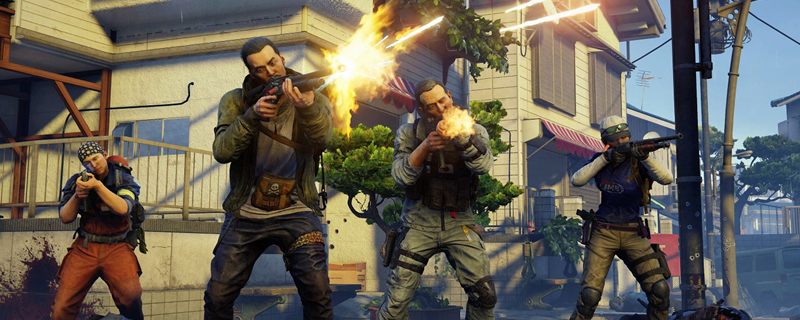
FSR Quality – Is it as good as native?
The short answer to the question above is no. Even when set to its Ultra Quality mode, FidelityFX Super Resolution does not look as good as native 4K. That said, it gets remarkable close.
When looking for differences between native 4K and FSR’s Ultra Quality mode (which runs with a 77% internal resolution scale), we noticed more aliasing and a minor reduction in sharpness for far-off details. During real gameplay, where we aren’t looking for these flaws, these differences are hard to notice. Even so, these differences are there and that places FSR below native resolution rendering in all instances.
As we drop FSR to lower quality modes, more aliasing is present within World War Z and the final image becomes blurrier. These tests left us with some questions, like how well does FSR compare to World War Z’s built-in resolution scaler? We have answered these questions below.
While FSR’s Ultra Quality mode looks worse than native 4K, the 40% performance gain it offers will be worth the visual sacrifice for many PC gamers. If you are targeting high framerates in this game, FSR may be what you need to push World War Z past the 100 Hz barrier.
(Native 4K VS FSR Ultra Quality 4K)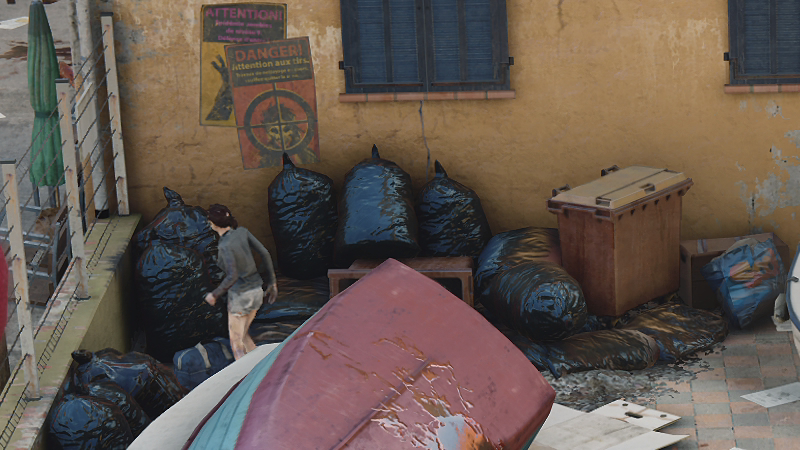
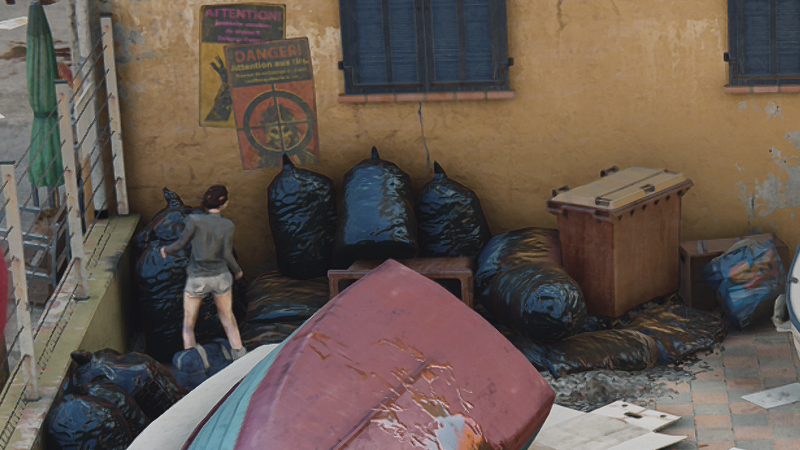
FSR VS WWZ’s built-in resolution scaler
FidelityFX Super Resolution has four options, Ultra Quality, Quality, Balanced, and Performance. These values are equivalent to World War Z’s 77%, 66%, 58% and 50% resolution scale options. So the images below are designed to show us which upscaling technology delivers the best results, AMD’s FSR or World War Z’s built-in scaling solution.
In-game, we noticed a sharper final image with FSR enabled and a reduction in overall aliasing. With FSR’s Ultra quality mode, the framerate was 122 FPS in the screenshot below. With a 77% resolution scale, the framerate was 126 FPS. In all, FSR is a better solution than World War Z’s built-in upscaling technology, even if FSR is moderately less performant.
(FSR Ultra Quality VS 77% Resolution Scale)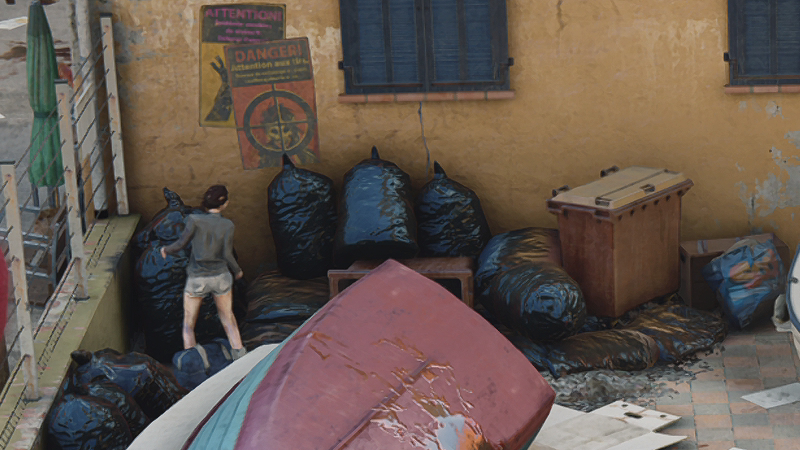

Can FSR deliver the same quality as WWZ’s built-in scaler at a higher framerate?
Below we have compared World War Z’s FSR Quality Mode (66% internal res scale) to the game’s built-in resolution scaler at 77%. What we found was that FSR delivered comparable levels of image quality but at a higher framerate.
With FSR set to quality, the game’s framerate was 148 FPS, while with a 77% resolution scale, the game ran at 126 FPS. As you can see below, FSR looks better in some areas, and the game’s built-in scaler looks better in others. With FSR offering a performance advantage, I’d say that FSR is the better upscaling solution.