


Intel’s Skylake-X architecture offers less gaming performance than Kaby Lake

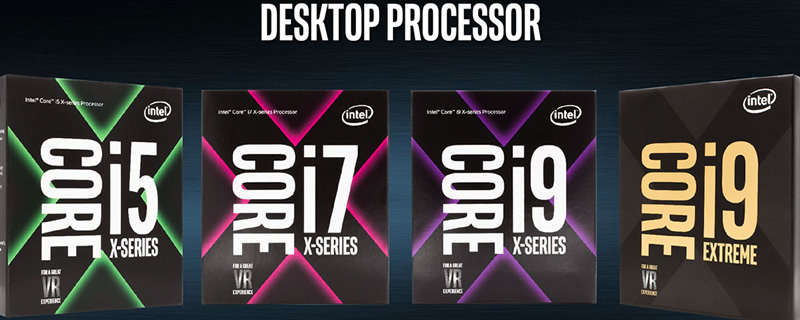
Intel’s Skylake-X architecture offers less gaming performance than Kaby Lake
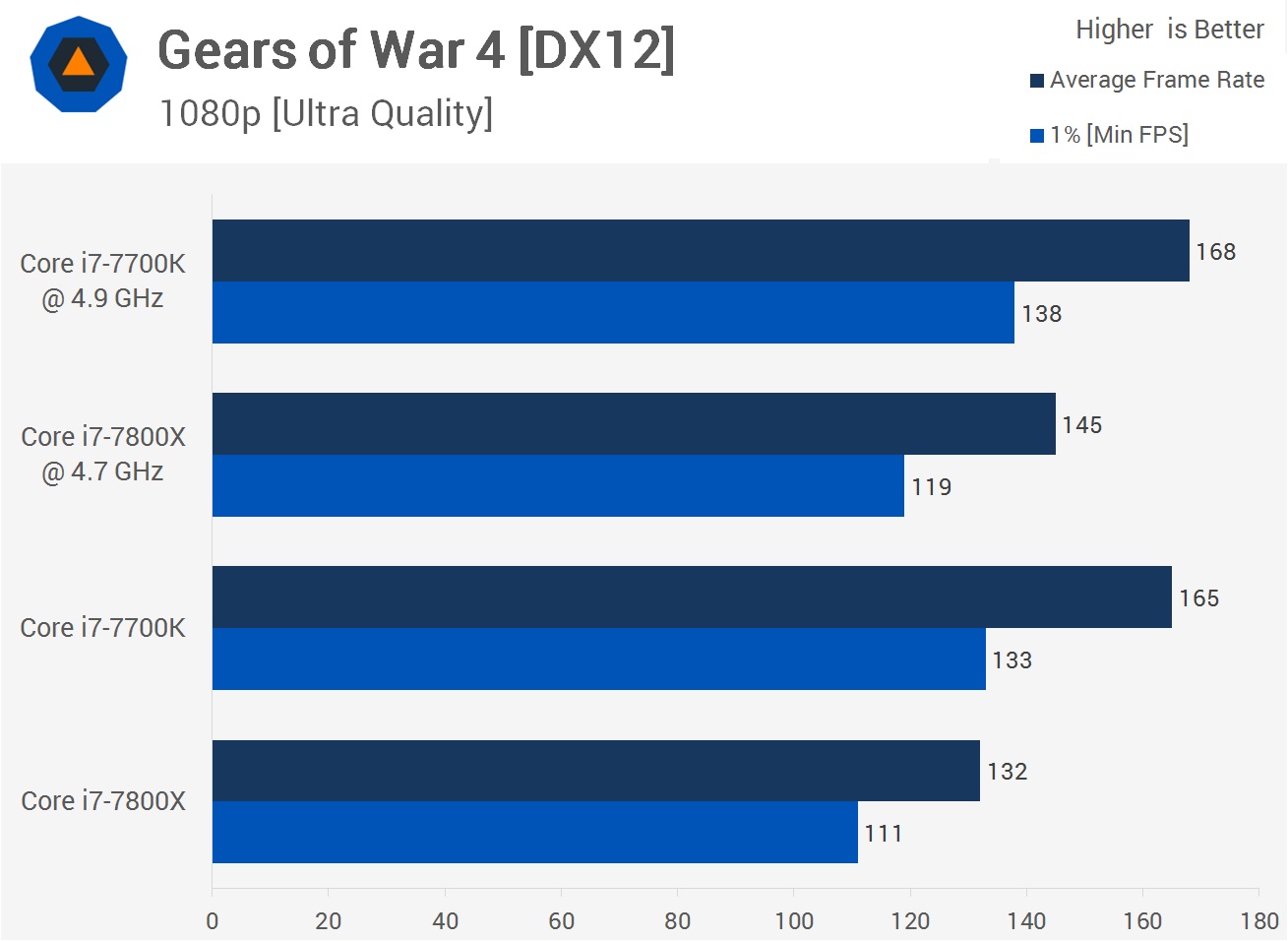
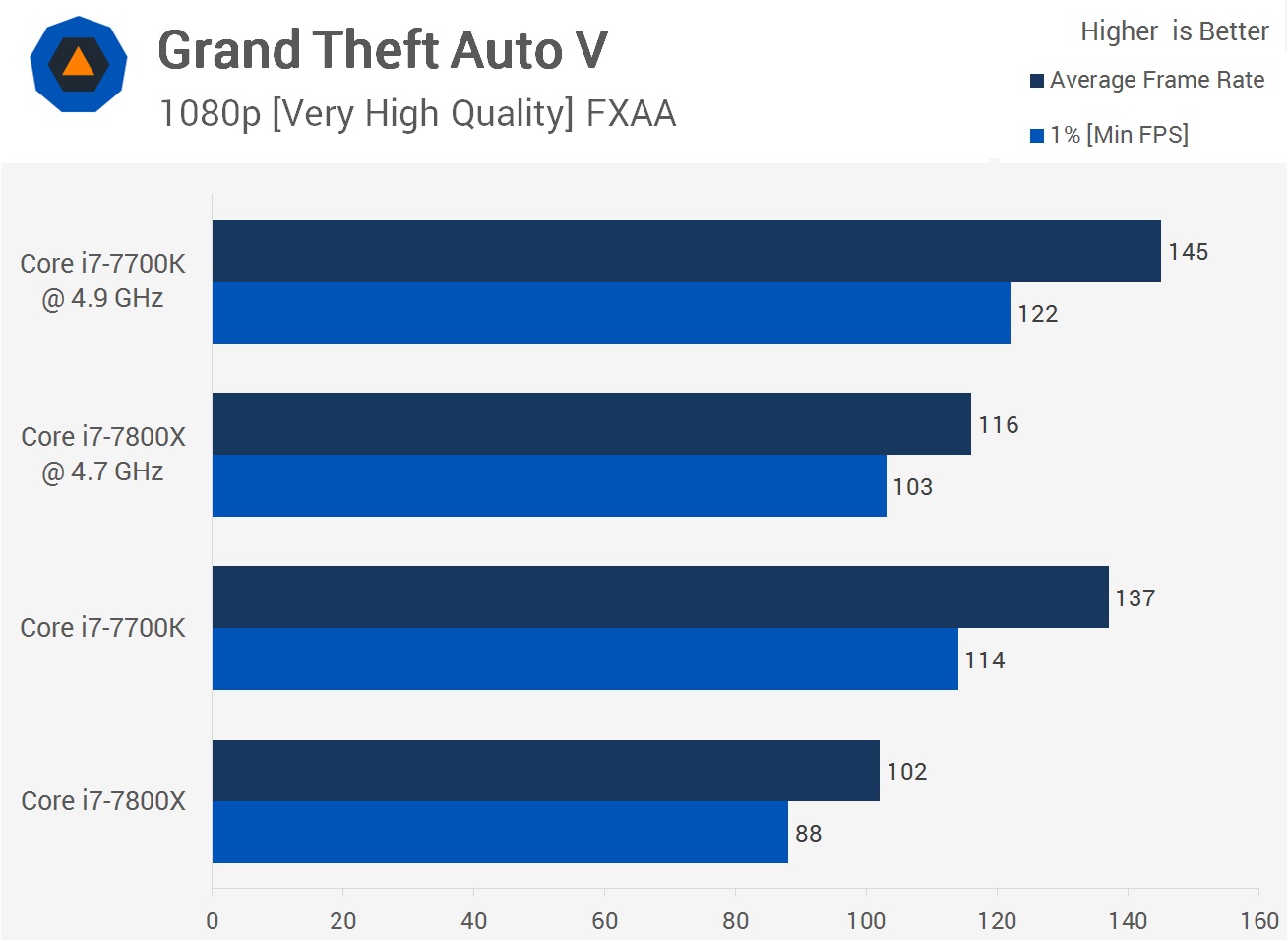

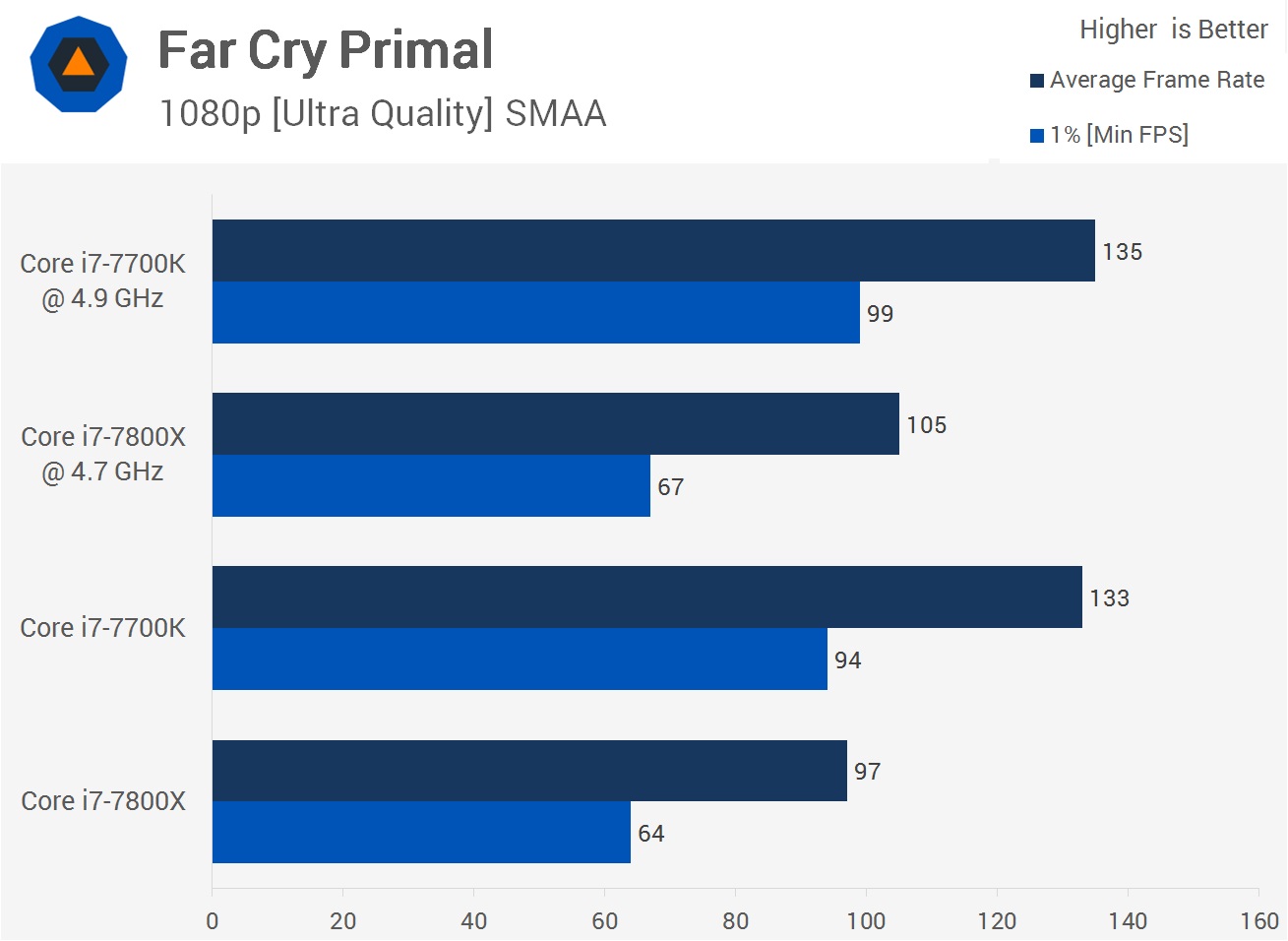
One major factor that changed when moving from Kaby Lake to Skylake-X is the change from Intel’s traditional “ring” bus architecture to Intel’s new “mesh” architecture, which changes the way that Skylake-X’s core communicates with each other.
Intel themselves admits that Broadwell-E (last-generation, X99) CPUs can outperform Skylake-X (current-generation, X299) due to this change in thread-to-thread communication architecture. This increases core communication latency but offers improvements in other areas, especially for the super-high core counts seen in Skylake-SP.
Below is a comment that Intel has made to Toms Hardware on this matter,
we have noticed that there are a handful of applications where the Broadwell-E part is comparable or faster than the Skylake-X part. These inversions are a result of the “mesh” architecture on Skylake-X vs. the “ring” architecture of Broadwell-E.Every new architecture implementation requires architects to make engineering tradeoffs with the goal of improving the overall performance of the platform. The “mesh” architecture on Skylake-X is no different.
While these tradeoffs impact a handful of applications; overall, the new Skylake-X processors offer excellent IPC execution and significant performance gains across a variety of applications.
This design change has a huge impact on game performance in select titles, the same titles that suffer from issues when using AMD’s latest Ryzen CPUs, which themselves can suffer from increased thread-to-thread latency when communication between CCX clusters.
In the future, video game developers will need to create games with these architectural quirks in mind, limiting how much of a performance impact that they can have on future titles. This latency issue now affects both Intel and AMD hardware, so developers should certainly take note.
You can join the discussion on Skylake-X’s game performance on the OC3D Forums.
Intel’s Skylake-X architecture offers less gaming performance than Kaby Lake
One major factor that changed when moving from Kaby Lake to Skylake-X is the change from Intel’s traditional “ring” bus architecture to Intel’s new “mesh” architecture, which changes the way that Skylake-X’s core communicates with each other.
Intel themselves admits that Broadwell-E (last-generation, X99) CPUs can outperform Skylake-X (current-generation, X299) due to this change in thread-to-thread communication architecture. This increases core communication latency but offers improvements in other areas, especially for the super-high core counts seen in Skylake-SP.
Below is a comment that Intel has made to Toms Hardware on this matter,
we have noticed that there are a handful of applications where the Broadwell-E part is comparable or faster than the Skylake-X part. These inversions are a result of the “mesh” architecture on Skylake-X vs. the “ring” architecture of Broadwell-E.Every new architecture implementation requires architects to make engineering tradeoffs with the goal of improving the overall performance of the platform. The “mesh” architecture on Skylake-X is no different.
While these tradeoffs impact a handful of applications; overall, the new Skylake-X processors offer excellent IPC execution and significant performance gains across a variety of applications.
This design change has a huge impact on game performance in select titles, the same titles that suffer from issues when using AMD’s latest Ryzen CPUs, which themselves can suffer from increased thread-to-thread latency when communication between CCX clusters.
In the future, video game developers will need to create games with these architectural quirks in mind, limiting how much of a performance impact that they can have on future titles. This latency issue now affects both Intel and AMD hardware, so developers should certainly take note.
You can join the discussion on Skylake-X’s game performance on the OC3D Forums.