


LG fixes one of OLED’s biggest flaws with new RGB Stripe display tech

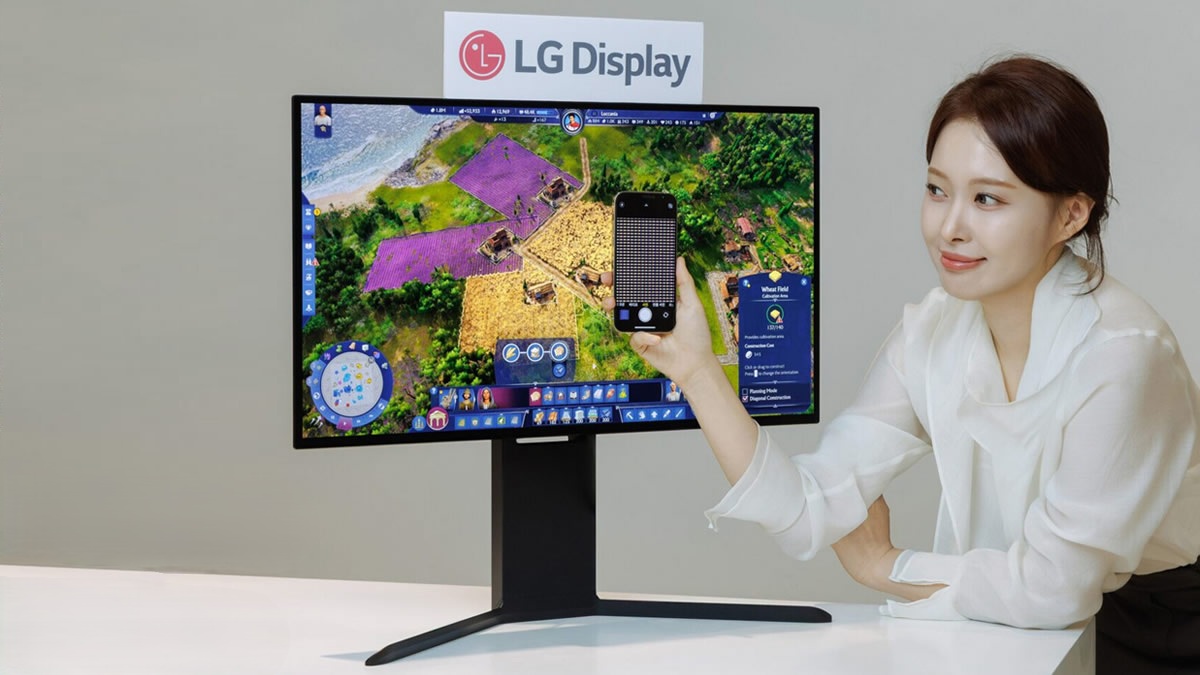
LG delivers OLED clarity with its new 4K OLED Stripe display panels
LG is tackling one of the biggest problems facing OLED monitor users: visual distortions. Specifically, they target colour bleeding and fringing to make text easier to read. How are they tackling this issue? With their new OLED Stripe technology, LG is moving to a new sub-pixel structure. LG’s moving from RGWB to an RGB Stripe sub-pixel structure.
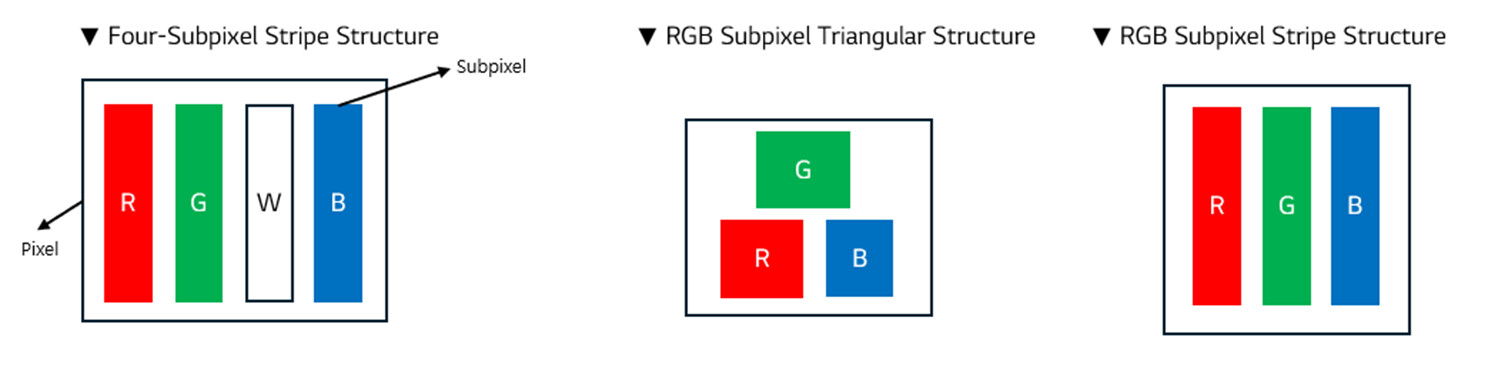
With LG’s WOLED panels, a white sub-pixel was added to enable higher brightness levels. Early WOLED Panels used an RWGB (Red, White, Green, Blue) structure, which was notorious for poor text legibility. Newer WOLED panels use an RGWB (Red, Green, White, Blue) structure to improve text clarity. With RGB Stripe, LG is using a traditional RGB structure to deliver increased image clarity.
LG’s first RGB Stripe panel is a 27-inch 4K 240Hz panel. This panel also supports 1080p at 480Hz, thanks to LG’s Dual Mode technology. With this new screen technology, LG has created OLED monitors that are ideal for media consumption, workstation use, and gaming. With RGB Stripe OLED panels, LG has created a version of OLED that works for everyone.
LG Display, the world’s leading innovator of display technologies, announced today that it will debut the world’s first 27-inch 4K OLED panel for monitors featuring an RGB stripe structure and a 240 Hz refresh rate at CES 2026, the world’s largest IT and consumer electronics exhibition. The RGB stripe structure arranges the three primary color subpixels—red, green, and blue—in a straight line, significantly reducing visual distortions such as color bleeding and fringing, even at close viewing distances.
Although OLED panels using the RGB stripe method existed before, their maximum refresh rate reached around 60 Hz, making them unsuitable for use as gaming monitors. LG Display’s new panel is the first in the world to achieve a 240 Hz refresh rate while maintaining an RGB stripe structure. It incorporates the company’s specialized Dynamic Frequency & Resolution (DFR) technology, allowing users to directly switch between high-resolution (UHD 240 Hz) and high-refresh-rate (FHD 480 Hz) modes.
his product’s high refresh rate not only delivers optimal performance in first-person shooter (FPS) games and other applications that require rapid screen transitions, but it is also optimized for operating systems such as Windows and for font-rendering engines, ensuring excellent text readability and high color accuracy. Featuring a high pixel density of 160 pixels per inch (ppi), this panel additionally provides exceptional detail and precision.
With its plan to initially introduce the new pixel structure in its high-end gaming and professional monitor panels, LG Display will actively promote the technology at the upcoming CES 2026 as part of its strategy to expand its customer base and product lineup.
Existing high-end Gaming OLED monitor panels have primarily used RGWB structures, which include a white subpixel, or configurations where RGB pixels are arranged in a triangular pattern.
What about brightness levels?
LG plans to showcase its RGB Stripe OLED panel technology at CES 2026. Currently, it remains unclear how bright these new monitors are. Remember, the white sub-pixels in WOLED panels are designed to increase brightness levels. If removing this sub-pixel significantly reduces maximum brightness, that would be bad news for fans of brighter screens. However, the greater text clarity will be a worthwhile trade-off if brightness reduction can be kept to a minimum.
Note that this is a new screen technology. LG has not unveiled any new monitors using this new panel type. As such, we should not expect to see new monitors using this new OLED panel type in the near-term future.
You can join the discussion on LG’s RGB Stripe OLED screen technology on the OC3D Forums.