


AMD promises FSR 4.1 for RDNA 3 and RDNA 2 graphics cards


It’s finally happening – AMD FSR 4.1 is coming to RDNA 3 and RDNA 2 graphics cards
It’s official, AMD’s Jack Huynh has confirmed that FSR 4.1 upscaling is coming to both RDNA 3 and RDNA 2-based Radeon graphics cards. Soon, FSR 4.1 upscaling will no longer be exclusive to AMD RDNA 4 graphics cards. That’s great news for gamers and game developers alike.
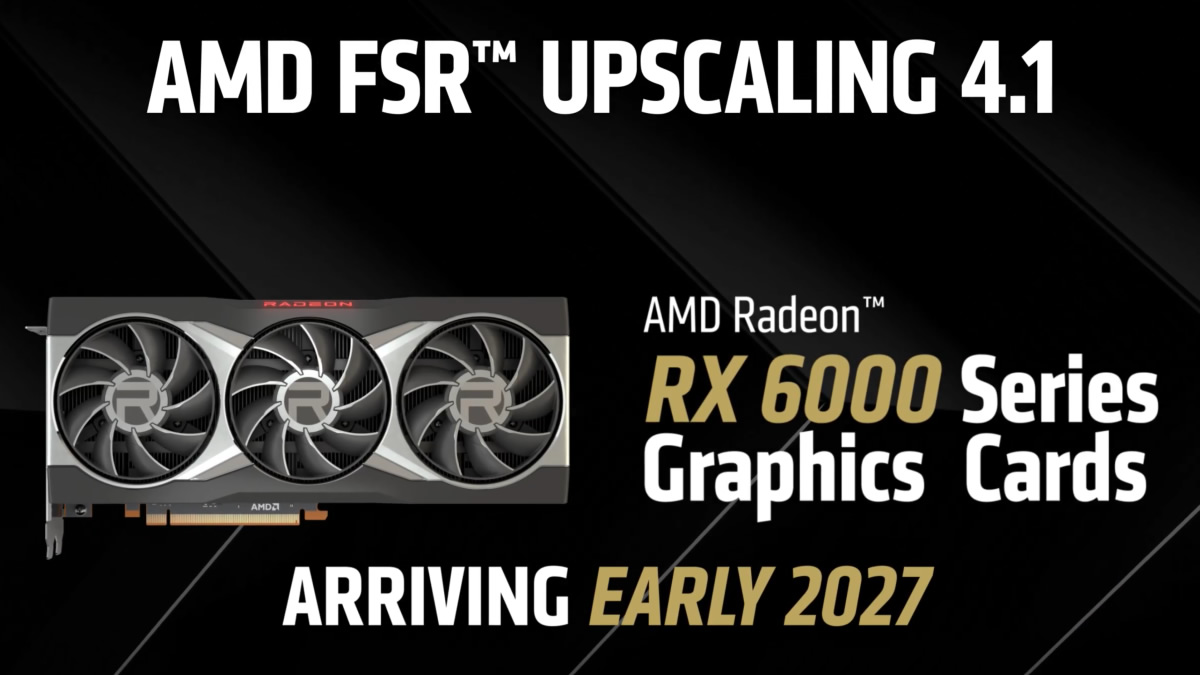
RDNA 3 GPUs will be gaining FSR 4.1 support this July, giving users of AMD’s older GPUs sharper visuals with fewer artefacts. RDNA 2 users will have to wait until “early 2027” for FSR 4 upscaling support, but support is coming.
With plans for RDNA 2 GPU support, it is possible that AMD FSR 4.1 could come to current-generation consoles. That could be transformative for the visuals of many console games, as poor-quality upscaling is a major problem for many titles.
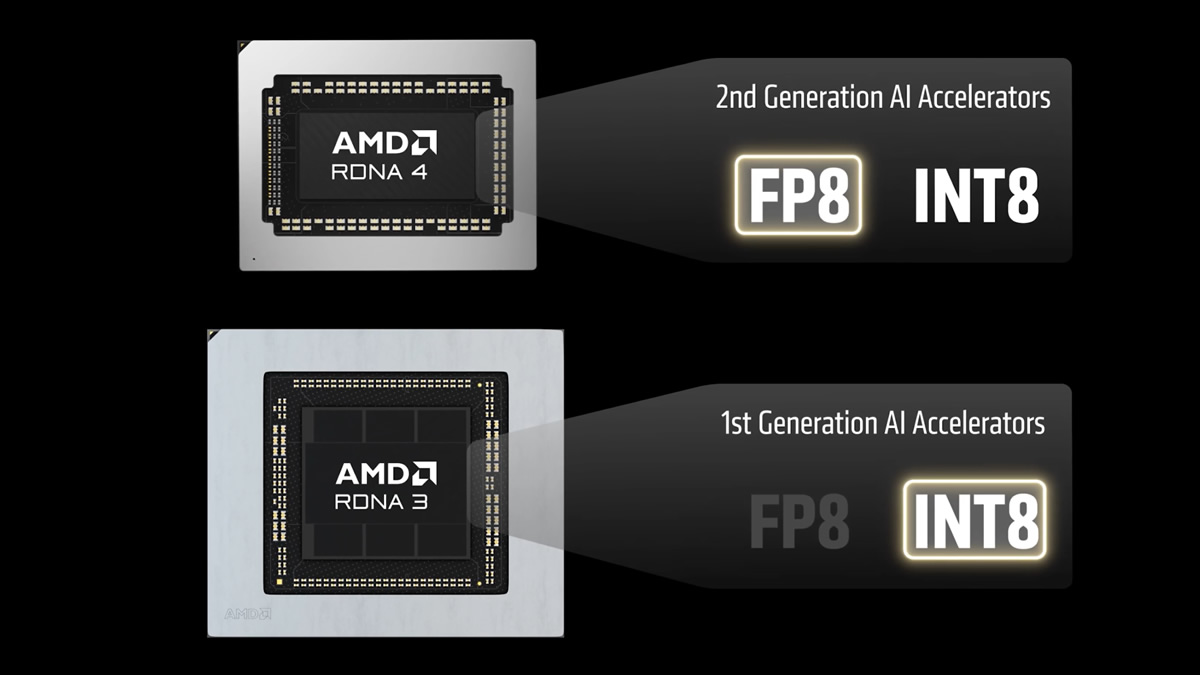
AMD has had to rework FSR 4 for its RDNA 3 graphics cards. AMD’s RDNA 3 GPUs lack INT8 AI acceleration, which prevents them from using the same FSR 4.1 algorithm as RDNA 4-based GPUs. This rework ensures that FSR 4.1 remains both performant on RDNA 3 GPUs and delivers high-quality visuals. AMD didn’t just flip a switch and enable FSR 4 on its older GPUs, it worked on it and tested it across a huge range of games.
AMD has confirmed that RX 7000 series GPU users will be able to use AMD’s new FSR 4 version in over 300 games when it launches in July.
Great news for the Steam Machine and the ROG Xbox Ally X
With this move, AMD has given Radeon fans something that they have been asking for for ages. FSR 4 support on older Radeon hardware. This is great news for PC gamers, especially those with PC gaming handhelds like the ROG Xbox Ally X. FSR 4.1 support would be transformative for these devices. Furthermore, this should mean that FSR 4 will be supported on devices like Valve’s Steam Machine and Strix Halo-powered laptops and desktops.
You can join the discussion on AMD delivering FSR 4 support to its older Radeon graphics architectures on the OC3D Forums.