


China strikes back! Moore Threads claims 15x Gaming Gains with its new GPU

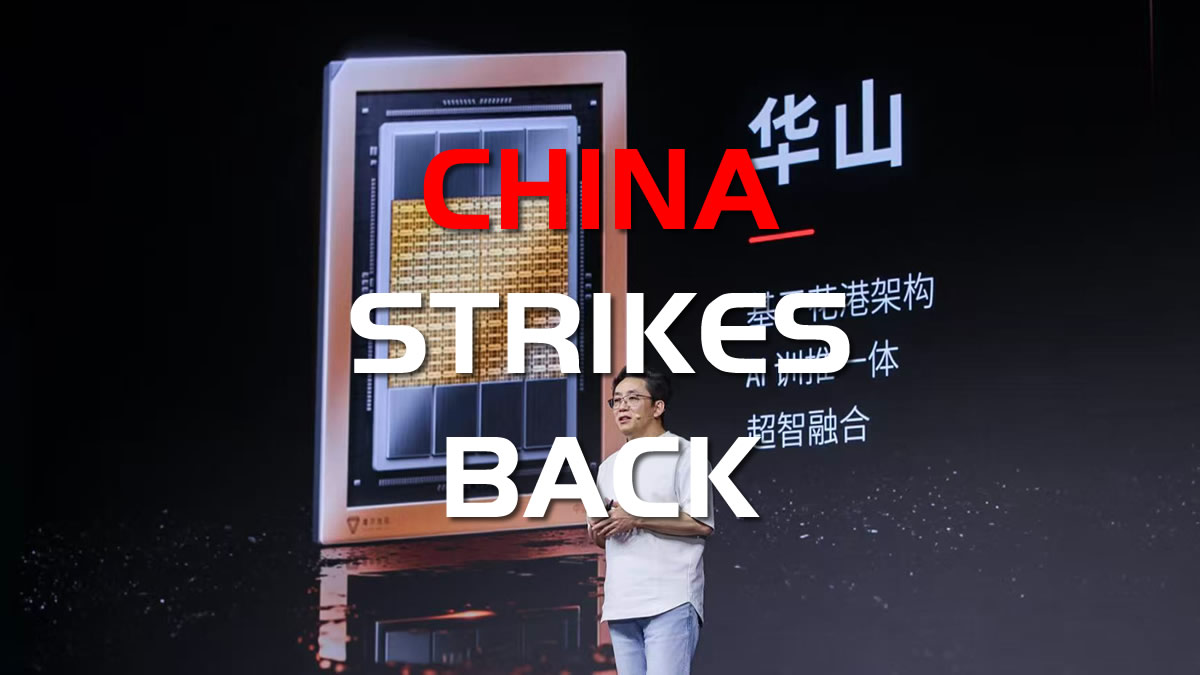
Moore Threads unveils new Huagang GPU architecture for gaming and AI
At the MUSA 2025 developer conference, Moore Threads (MT), the Chinese GPU manufacturer, has unveiled its new Huagang GPU architecture. This new architecture boasts a 50% increase in compute density and a 10% increase in power efficiency. This new GPU architecture features radically improved compute units, delivering significant performance gains across all workloads.
Moore Threads has built two new chips based on this new graphics architecture. These are Lushan and Huashan, which are built for gaming and AI workloads, respectively. Lushan is Moore Threads’ first DirectX 12 Ultimate-compliant graphics card, and features dedicated AI hardware blocks and ray tracing engines. In this respect, Lishan is similar to all modern GPUs from AMD, Intel, and Nvidia.
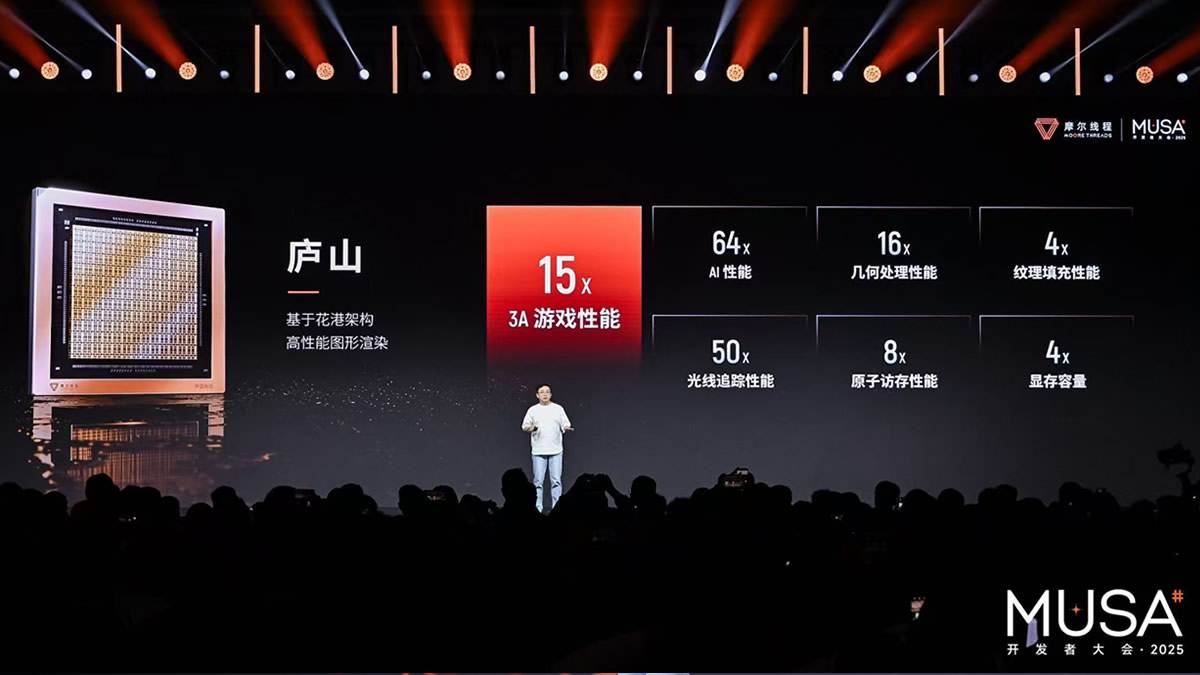
With Lishan, Moore Threads has promised a 15x performance boost in “AAA” gaming performance. The new chip also boasts 64x more AI compute and 50x more ray tracing performance. Additionally, this new chip offers a 4x increase in texture fill rate, an 8x increase in atomic memory access, and 4x GPU memory capacity.
Sadly, Moore Threads has not given exact specifications for its new gaming GPU or any benchmarking data. As such, we cannot compare this GPU to any AMD, Nvidia, or Intel product. Regardless, MT claims to have made a major step forward, which may allow it to compete with Western manufacturers in China.
China is a large market, so the success of a Chinese company in the GPU space has the potential to disrupt the status quo. If this new “Lushan” gaming chip is competitive, it could cost AMD and Nvidia significant sales in the Chinese market. This could force both companies to become fiercer competitors, which is good for gamers worldwide.
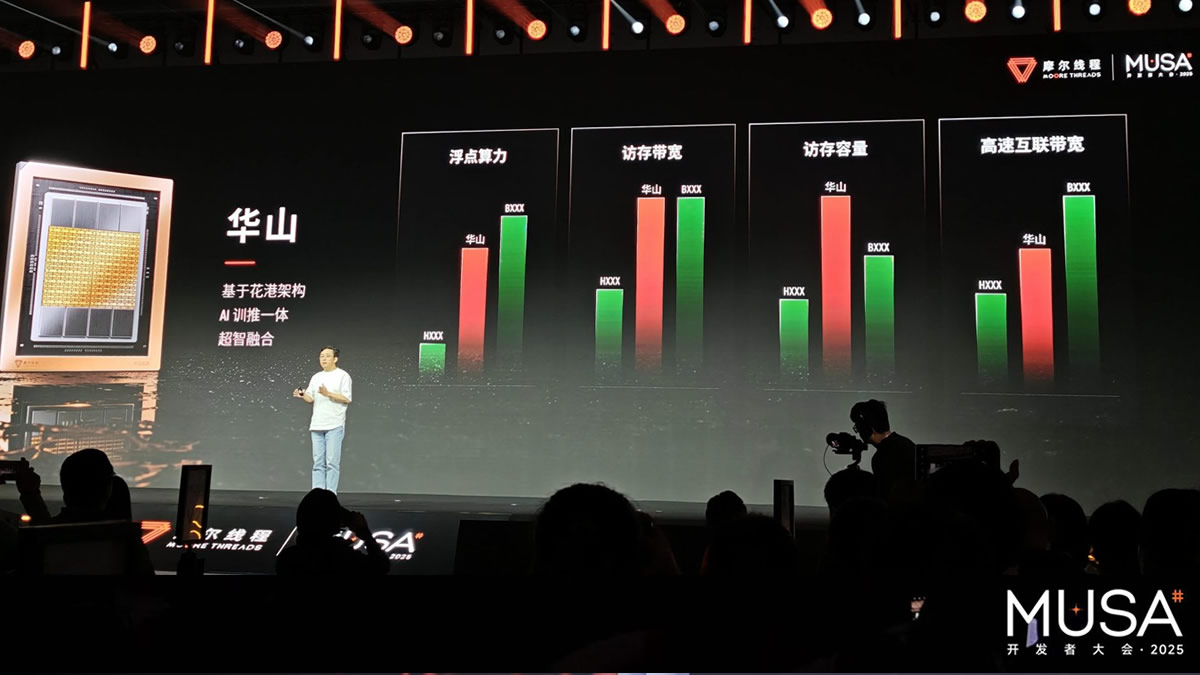
Moore Threads also has a new Huashan GPU for AI
With its new Huashan AI chip, MT claims to have a product that can best Nvidia’s HXX (H20?) GPU and trade blows with Nvidia’s BXXX (Blackwell) GPUs. The Huagang architecture reportedly supports math formats spanning FP64 to FP4, and includes custom mixed precision formats like MTFP8, MTFP6, and MTFP4.
Clearly, Moore Threads is setting itself up to become China’s Nvidia, both within the gaming space and the AI space. Will it succeed?
You can join the discussion on Moore’s Threads’ next-generation GPUs on the OC3D Forums.