





DDR6 memory development heats up, 2027 adoption and CAMM2 modules planned

DDR6 memory is due to arrive in 2027, delivering faster modules with 8,800 MT/s to 17,600 MT/s speeds
DDR6 memory is on the way, with CTEE stating that Samsung, Micron, and SK Hynix have already completed memory prototypes. All three have already begun working with platform companies and manufacturers, such as AMD and Intel, alongside controller companies, to prepare for large-scale adoption by 2027. CAMM2 memory modules may become mainstream with the launch of DDR6.
Architecturally, DDR6 builds upon some of DDR5’s key traits. For starters, DDR6 will feature a 4×24-bit sub-channel design, enabling increased parallel processing, increased data flow, and higher bandwidth utilisation. DDR5 features two 32-bit channels. DDR4 features one 64-bit channel.
DDR6 memory speeds are expected to start at 8,800 MT/s and reach speeds of up to 17,600 MT/s. With its higher speeds and larger number of memory channels, DDR6 will place higher strains on memory connectors. Traditional DIMM slots are becoming a physical bottleneck that is making it challenging for manufacturers to support higher memory speeds.
Will DDR6 bring about the widespread adoption of CAMM2?
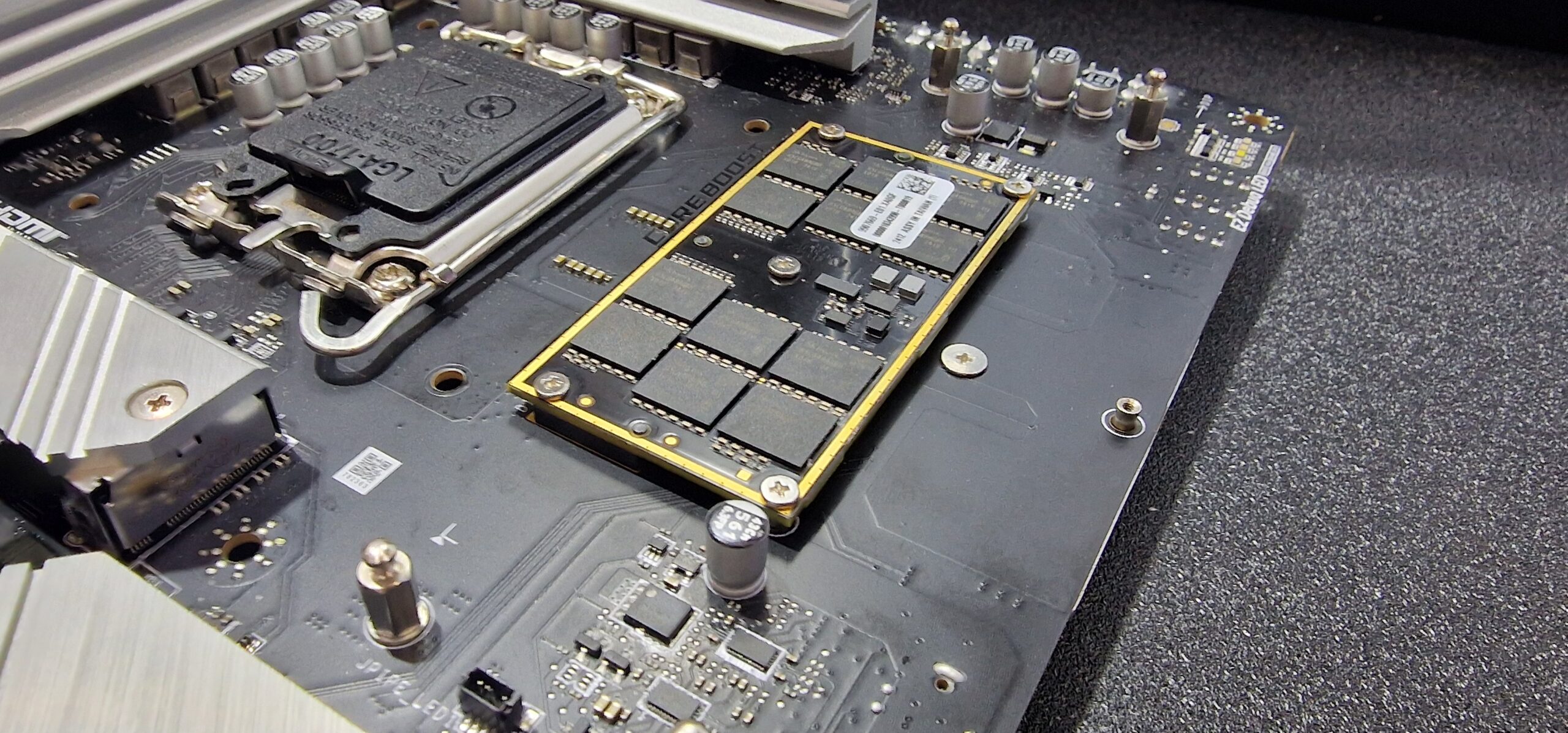
CAMM2 memory modules address the limitations of traditional DIMM slots by increasing signal integrity and reducing impedance. This should allow CAMM2 memory modules to become mainstream with the launch of DDR6. Currently, manufacturers are creating prototype DRAM and motherboard designs to test CAMM 2 modules. Recently, G.Skill and ASUS demonstrated DDR5-10000 speeds using CAMM2 memory modules.
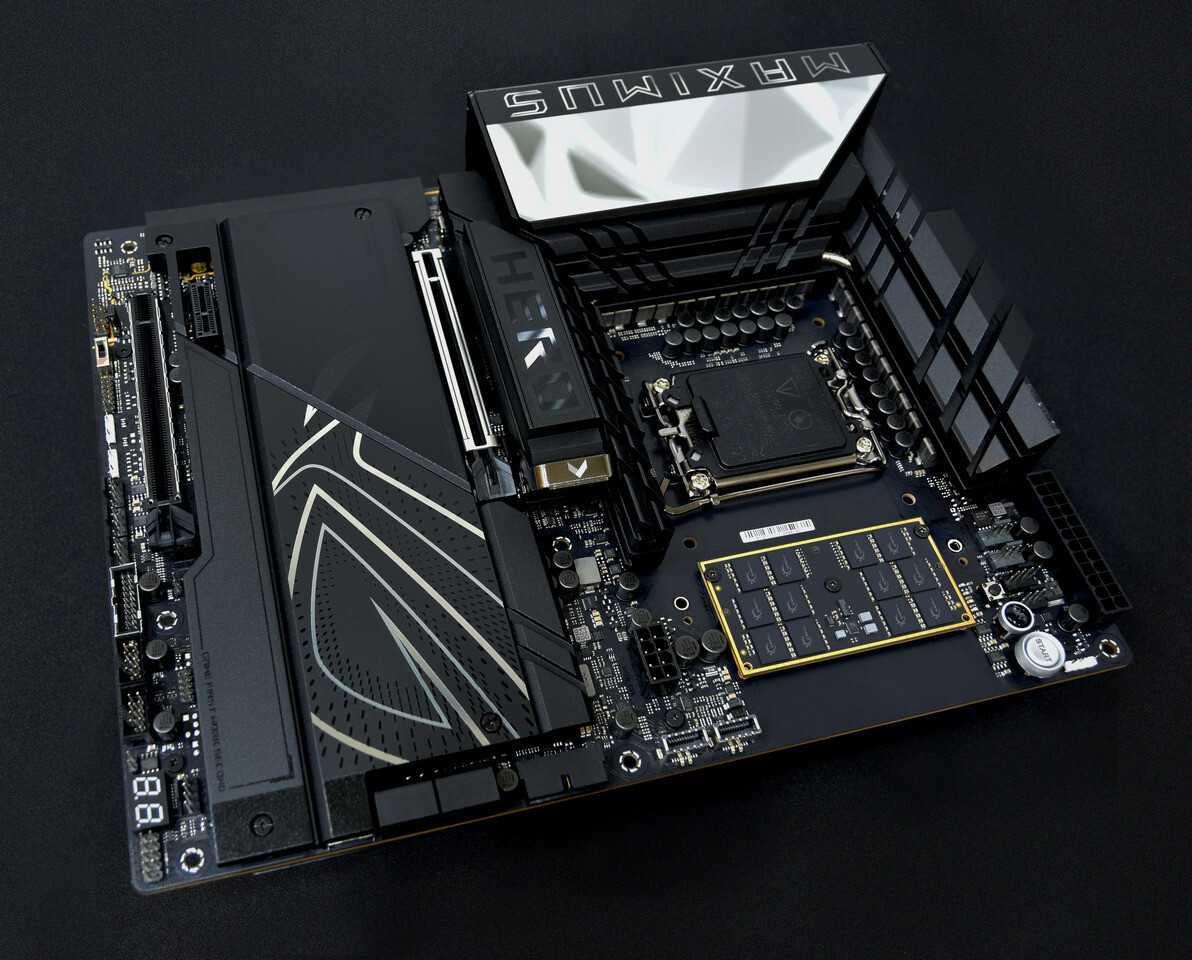
(G.Skill and ASUS showcasing DDR5-10000 speeds with a prototype CAMM2 motherboard)
DDR6 memory won’t just increase memory speeds; it will change the way that memory is implemented and architected. Traditional DRAM DIMM modules may fall out of mainstream use, changing the way PCs are built.
Currently, DDR6 memory is due to become available in 2027. If that is the case, we should expect to see a new generation of CPUs and motherboards to support this new memory type. Note that this means that AMD will likely need to create an AM6 CPU socket to support DDR6 memory.
You can join the discussion on DDR6’s development and CAMM2’s potential on the OC3D Forums.