


Samsung expects the memory shortage to become “more severe” in 2027

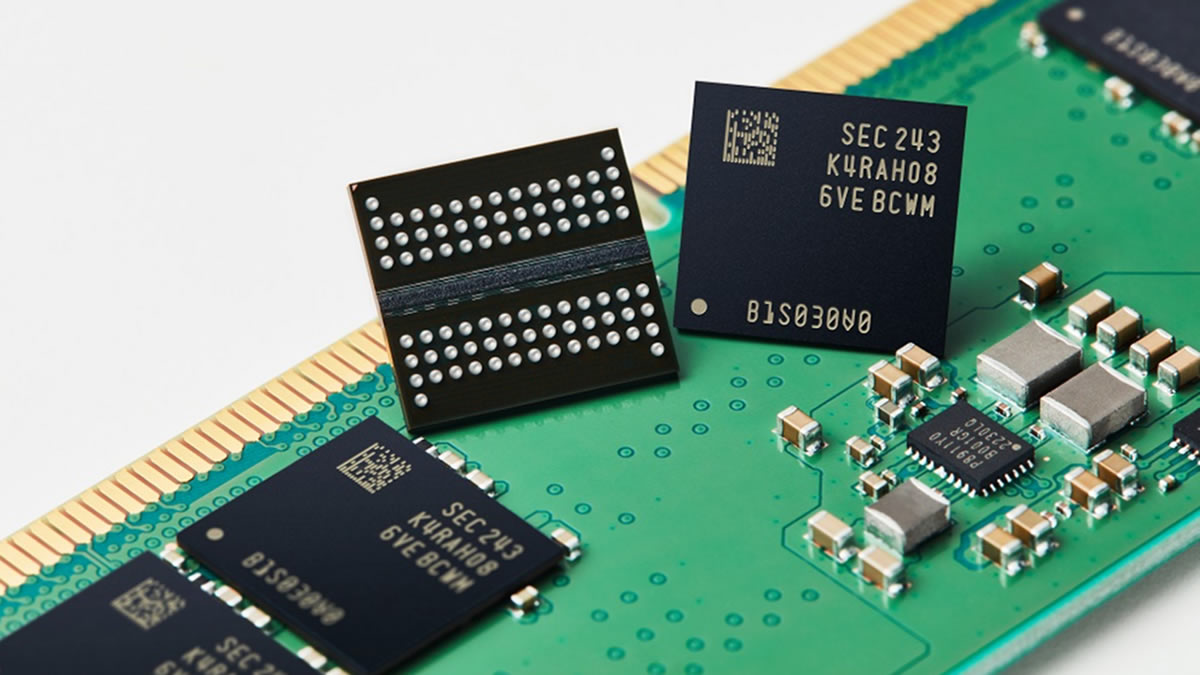
Samsung expects the memory crisis to “persist through 2028”
As part of their Q2 2026 earnings call, Samsung representatives have confirmed that they expect the DRAM shortage to become “more severe in 2027 than 2026”. In other words, they expect DRAM pricing to continue to increase as demand further outstrips supply.
Samsung’s Daniel Oh claims that the surge in AI tokens will drive “exponential demand over the mid to long term”. However, Samsung has also stated that it is creating multi-year contracts with customers to secure today’s high prices and mitigate their long-term risks. In other words, Samsung is working to ensure that they can continue selling memory at today’s insane prices, or higher prices should DRAM pricing continue to rise.
According to Samsung, the DRAM supply shortage will “persist through 2028”. Beyond 2028, Samsung has more limited visibility and is unwilling to make any demand predictions. In Q2 2026, Samsung generated 89.5 trillion Won (£46.85 billion) in profit, a huge increase over Q2 2025’s profit of 25.5 trillion Won (£13.35 billion).
The supply constraints are expected to become even more severe in 2027 than 2026, reinforcing our view that the supply shortage will persist through 2028. Beyond 2029, it is hard to say because of more limited visibility. However, with the surge in AI tokens expected to drive exponential demand over the mid to long term, customers who want to secure substantial AI service infrastructure are increasingly approaching us for multi-year supply. These multi-year arrangements actually are aligned with our objective of hedging our mid to long-term risk, we have been engaging in discussions with customers, prioritizing those who can guarantee committed future captive demand.
– Daniel Oh, Head of Investor Relations, Samsung Electronics
Samsung is forcing its customers into multi-year contracts, “hedging their mid- to long-term risk”
Samsung is hoping to mitigate its risks with long-term memory supply agreements. These agreements are designed to lock in high prices for customers. If DRAM demand suddenly lowers, these customers will be forced to continue buying memory at high prices. This mitigates Samsung’s risks, but could leave customers overspending for DRAM in the future. If the AI bubble bursts and DRAM demand plummets, these agreements will maintain Samsung’s strong financials in the medium term. If the DRAM bubble does not burst, these agreements will ensure that customers have access to a strong DRAM supply.
With its long-term agreements, Samsung plans to lock in demand for 60-70% of its total DRAM supply. These agreements could help keep DRAM prices high well into the future, even if the AI bubble bursts.
DRAM manufacturers are milking the DRAM crisis for everything that it is worth. All DRAM suppliers are currently seeing record profits. Greed in the AI market has driven electronics prices to skyrocket, with DRAM-heavy devices being the hardest hit. The speculative building of datacenters has caused an unprecedented shortage of components, with DRAM and NAND memory being the hardest hit. Why are PC parts so expensive now? Blame OpenAI, Anthropic, META, Google, xAI and their enablers. If you love computers, you don’t hate these companies enough. They are the reason why consumers are getting priced out of the PC market.
You can join the discussion on Samsung expecting the memory shortage to become more severe in 2027 on the OC3D Forums.