


Samsung has started mass producing 2nd Generation 8GB HBM2

Samsung has started mass producing 2nd Generation 8GB HBM2
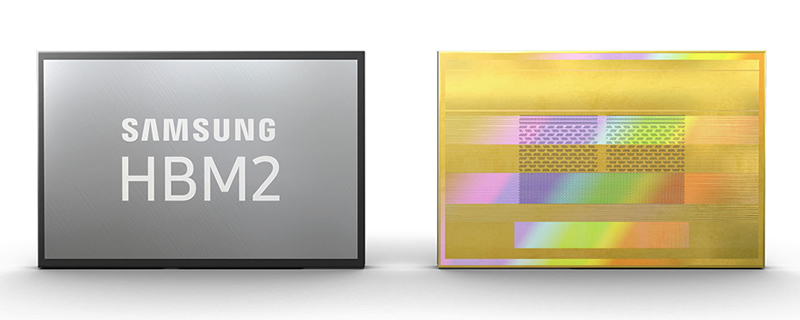
Samsung has announced their second generation of 8GB HBM2 memory, codenamed Aquabolt, has entered mass production. Samsung claims that this is the first 8GB HBM2 chips that can deliver 2.4Gbps of data transfer per pin, a 20% increase over their existing 8GB HBM2 memory.
More astounding is that Samsung has also been able to reduce the power consumption of their chips significantly, achieving speeds of 2.4Gbps at 1.2V, with last generation HBM2 requiring 1.2V to access speeds of 1.6Gbps or 1.35V to achieve 2.0Gbps. This change represents a bandwidth upgrade of 50% when comparing these 8GB HBM2 chips at 1.2V.
With these changes, a single 8GB HBM2 memory chip from Samsung can now achieve 307 GB/s of bandwidth, which is significantly faster than most of today’s existing HBM2 solutions. Using four of these new HBM2 chips would offer 1.2 TB/s of bandwidth to users with 64GB of capacity, which is an astounding figure.
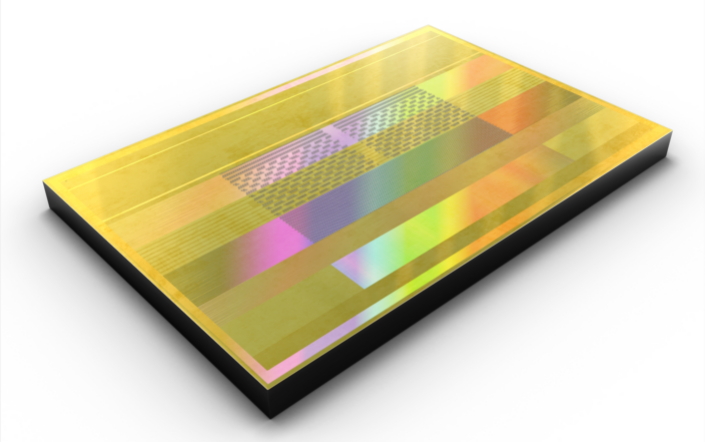
The sheer bandwidth offered by these chips opens a lot of doors for future mid-range graphics cards, as a single 8GB chip of 2nd generation HBM2 can deliver almost as much memory performance as a GTX 1080 (307GB/s VS 320GB/s) while utilising only a single memory chip.
You can join the discussion on Samsung’s 2nd generation of HBM2 memory on the OC3D Forums.
Samsung has started mass producing 2nd Generation 8GB HBM2
Samsung has announced their second generation of 8GB HBM2 memory, codenamed Aquabolt, has entered mass production. Samsung claims that this is the first 8GB HBM2 chips that can deliver 2.4Gbps of data transfer per pin, a 20% increase over their existing 8GB HBM2 memory.
More astounding is that Samsung has also been able to reduce the power consumption of their chips significantly, achieving speeds of 2.4Gbps at 1.2V, with last generation HBM2 requiring 1.2V to access speeds of 1.6Gbps or 1.35V to achieve 2.0Gbps. This change represents a bandwidth upgrade of 50% when comparing these 8GB HBM2 chips at 1.2V.
With these changes, a single 8GB HBM2 memory chip from Samsung can now achieve 307 GB/s of bandwidth, which is significantly faster than most of today’s existing HBM2 solutions. Using four of these new HBM2 chips would offer 1.2 TB/s of bandwidth to users with 64GB of capacity, which is an astounding figure.
The sheer bandwidth offered by these chips opens a lot of doors for future mid-range graphics cards, as a single 8GB chip of 2nd generation HBM2 can deliver almost as much memory performance as a GTX 1080 (307GB/s VS 320GB/s) while utilising only a single memory chip.
You can join the discussion on Samsung’s 2nd generation of HBM2 memory on the OC3D Forums.