


Intel confirms big performance and efficiency gains with Intel 18AP node


Intel confirms performance and efficiency gains with new 18A-P node
Intel plans to discuss its Intel 18A-P (18AP) lithography node in detail at the 2026 IEEE/JSAP symposium on VLSI technology and circuits. In their session briefing for the Intel 18A-P session, Intel has confirmed that their new 18AP node delivers notable performance and efficiency gains over today’s 18A node. This should result in boosted design performance and efficiency levels for future products.
Compared with Intel 18A, Intel 18AP delivers 9% performance gains at ISO-power or 18% lower power at ISO-performance. Intel claims that these gains are achieved through “added technology features” and other changes. Intel has also confirmed that this node will have both high-density (HD) and High-performance (HP) libraries for its users. The node also features “reduced thermal resistance for improved heat conduction”. This should make 18AP chips easier to cool.
Intel 18A-P is a performance-enhanced, RibbonFET gate-all-around (GAA) transistor technology with backside power delivery through PowerVia. Relative to Intel 18A [1], Intel 18A‑P offers over 18% lower power at iso-performance, or over 9% performance gain at iso‑power. This improvement is achieved through newly added technology features, transistor performance enhancement, interconnect enhancement and design technology co-optimizations (DTCO). Added features in Intel 18A-P include additional logic VT pairs, skew corner tightening, new low power devices in both high-density (HD) and high-performance (HP) libraries and performance-improved HP devices in both libraries. In addition, Intel 18A-P offers reduced thermal resistance for improved heat conduction.– Intel Paper T1.2 at VLSI 2026
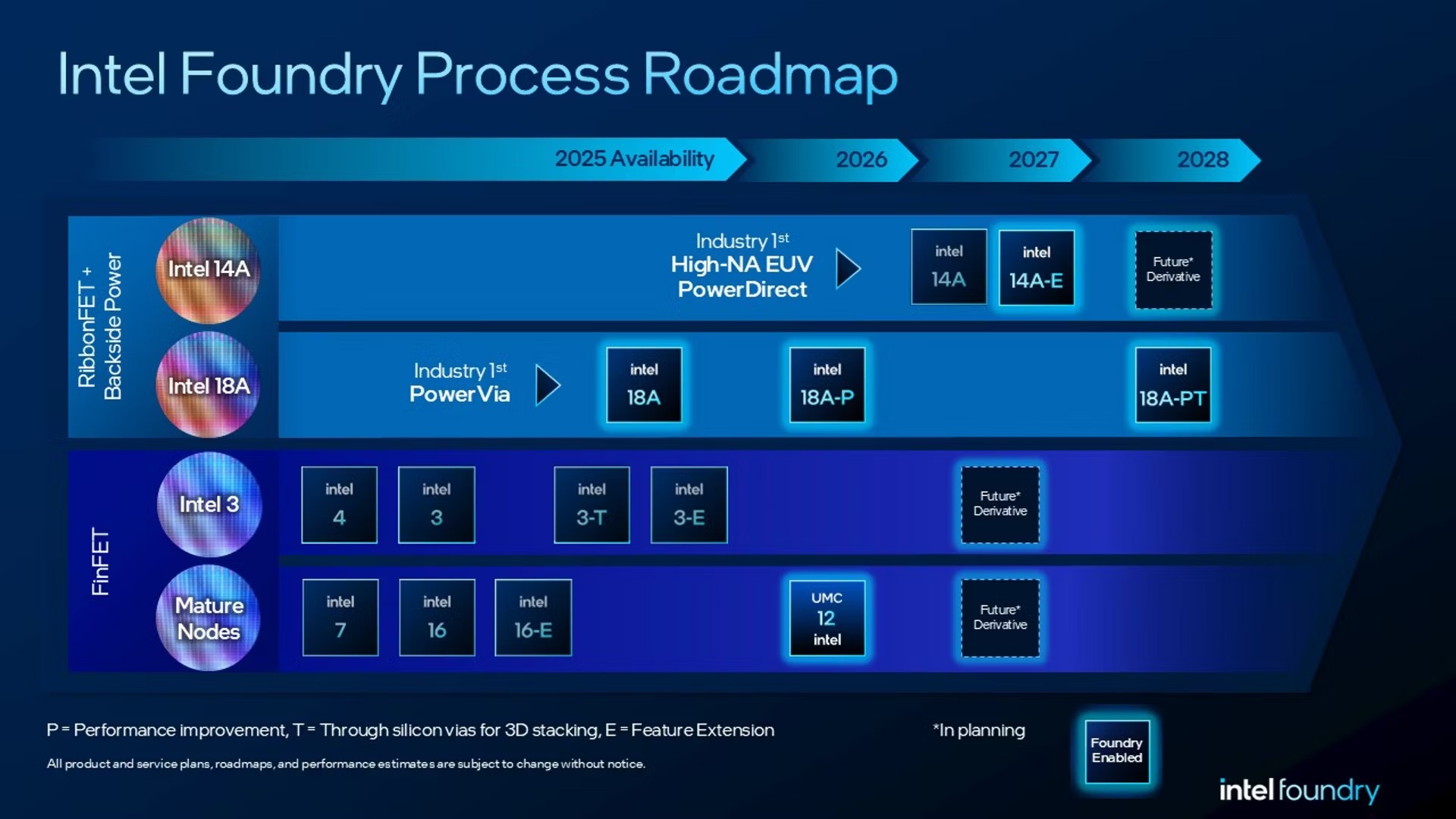
Is Intel 18AP more attractive for 3rd-party foundry customers?
With boosted performance, HD and HP libraries, and increased thermal conductivity, Intel’s new 18A-P node should be much more attractive to potential Intel Foundry customers. This node is also expected to have a much more refined Process Design Kit (PDK). This would make it easier for potential customers to create new product designs.
With 18AP, Intel has made significant progress. This is great news for Intel and its potential customers. This new node should help Intel build faster and more efficient processors. Furthermore, this node should help Intel gain foundry customers, which would dramatically increase the profitability of Intel’s foundry business.
You can join the discussion on Intel’s 18AP node on the OC3D Forums.