


Martin Lewis Slams the UK Government over 10 years of inaction on scam ads

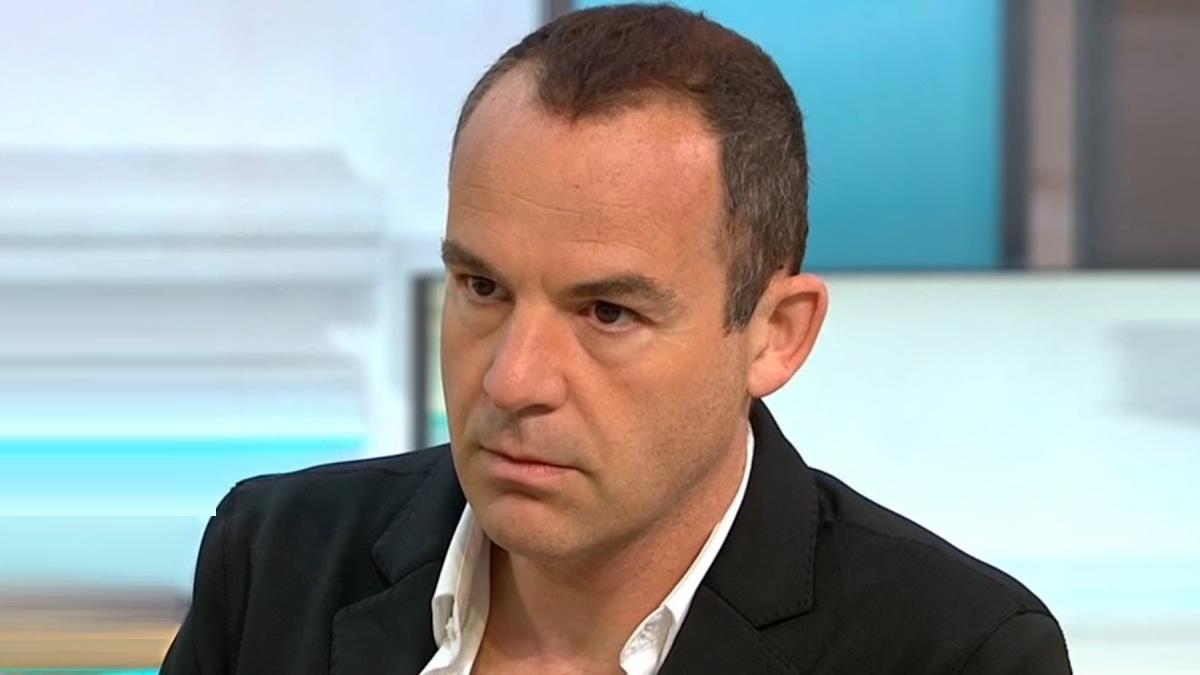
Martin Lewis calls out 10 years of government failure to tackle “scam ads” on online platforms
Martin Lewis, the founder of Money Saving Expert and the UK’s most respected consumer rights advocate, has “let loose” on UK politicians over their inaction over so-called “scam ads” on social media platforms. He says that nothing has been done to tackle this well-known problem, and the social media platforms no longer deserve the right to self-regulate.
In his posts, which have been made on almost all major social media platforms, he states that Meta has reportedly “made £3 billion from European Scam ads in a year alone.” They are actively generating revenue from these scams, and are not doing enough to stop these scam ads from being delivered to their users.
Martin Lewis sued Facebook in 2019 over their hosting of scam ads that included his face and name. These ads falsely claimed that he backed several investment schemes. Lewis settled this case out of court for £3 million, which he used to set up an anti-scam charity. Facebook also pledged to add a scam ad reporting button to its platform. This option has done little to stop scam ads.
In many instances, scam ads in the UK use the faces of well-known or respected individuals. These ads are used to trick people into financial scams or false investments. Many of these scams use deepfakes of Martin Lewis himself to trick vulnerable people.
Must watch: Martin Lewis lets loose on politicians over 10yrs inaction over scam ads.
Courtesy: @thismorning pic.twitter.com/SCUSdls2hH
— Martin Lewis (@MartinSLewis) June 11, 2026
We’ve all seen them
If you are a user of X, formerly Twitter, and are from the UK, you will likely have seen a “fake Farage” scam ad recently. These ads either pretend to be news articles from respected sources like the BBC or other mainstream media outlets, but direct users to a website that promotes cryptocurrencies or other forms of investment.
On June 9th, X was infested by these ads, so much so that I found one every dozen posts (roughly) on my feed. Below is a post from Tom Nicholas, a YouTuber, who highlighted the issue. Most of the responses to his post were from users who had seen similar ads. In fact, many of these ads appeared directly below Tom Nicholas’ post.
All the ads in my Twitter feed are just AI images of Nigel Farage getting into fights on the set of Question Time.
This platform has to be losing so much money. pic.twitter.com/PhUj5yn3LV
— Tom Nicholas | Watch SLOW NEWS DAY on Nebula! (@Tom_Nicholas) June 9, 2026
Self-regulation is no longer an option for social media giants
Scam ads are so prevalent on social media platforms that it’s hard to justify today’s “self-regulation” approach. The automated ad delivery systems used by Meta, X, and other social media giants are clearly ineffective. Governments must now force these platforms to take action.
At a minimum, social media platforms need to be liable for the damage caused by “scam ads”. Not only do they cause victims to fall into financial scams, but they damage the mental health and wellbeing of the people who constantly see them. The government’s continued inaction erodes trust in it for failing to take action against this activity. Furthermore, it damages the reputations of those who are falsely used to promote these scams.
So, what can be done about these scam ads? Perhaps social media giants need a human verification step before ads are placed on their platforms. Maybe they need hefty fines to enforce compliance. Perhaps they need their executives to be held criminally liable for the scams that their platforms are used to promote. After all, they are profiting from these scams.
For ten years, and under both Labour and Conservative leadership, the British government has failed to take action against social media giants. This inaction needs to end. Thank you to Martin Lewis for highlighting this matter. We wish you success in your efforts to force UK government action.
You can join the discussion on Martin Lewis’ action against scam ads on the OC3D Forums.