


TP-Link delivers world-first Wi-Fi 8 demonstration

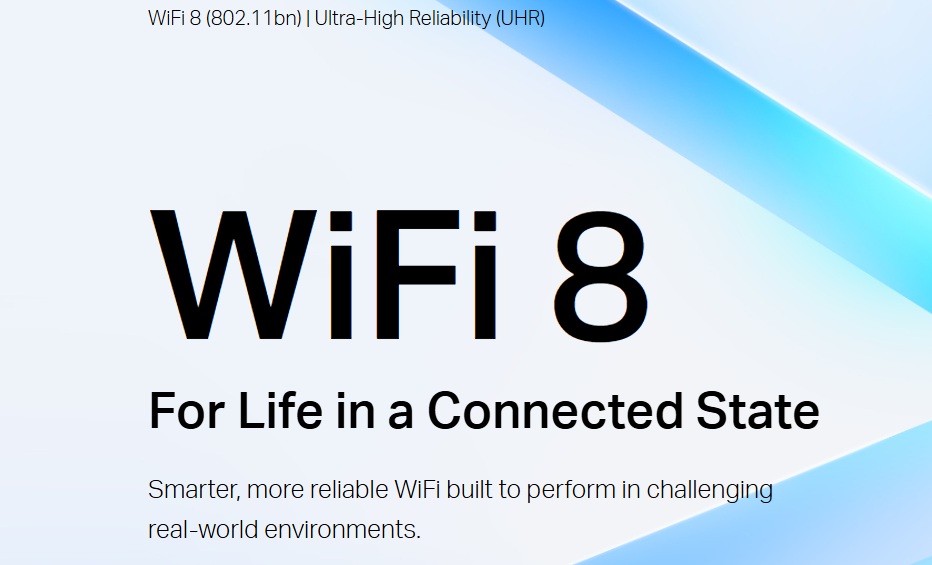
Wi-Fi 8 focuses on range and reliability, not speed
TP-Link has become the first company to successfully conduct a connectivity test for the next-generation Wi-Fi 8 standard. This test was completed using prototype hardware that was created with industry partners. This test validates the viability if WIFI 8 technology, and marks a major step forward in the standard’s development.
Why is Wi-Fi 8 so important
Recent Wi-Fi standards, such as WIFI 6, WIFI 6E, and WIFI 7, all focused on speed. With WIFI 8, the focus is on range and reliability. With WIFI 8, the standard promises more stable connections, smoother roaming performance, and improved range performance.
Wi-Fi 8 includes technologies like Distributed Resource Units (DRUs) and Enhanced Long Range (ELR) to improve performance. Other additions like Unequal Modulation (UEQM) aim to ensure that multiple devices can achieve the best connections possible, preventing one data stream from slowing another down. New multi-access point coordination will also allow multiple mesh nodes and repeaters to work together. This reduces interference, where two nodes would previously compete when their signals overlap.
With its demonstration, TP-Link has showcased its Wi-Fi prowess and its commitment to the new Wi-Fi 8 standard. Wi-Fi 8 is backwards compatible with older Wi-Fi standards, though new client devices will be required to access all of the standard’s benefits.
You can join the discussion on WIFI 8 on the OC3D Forums.