


How Microsoft’s “K2” project aims to fix Windows

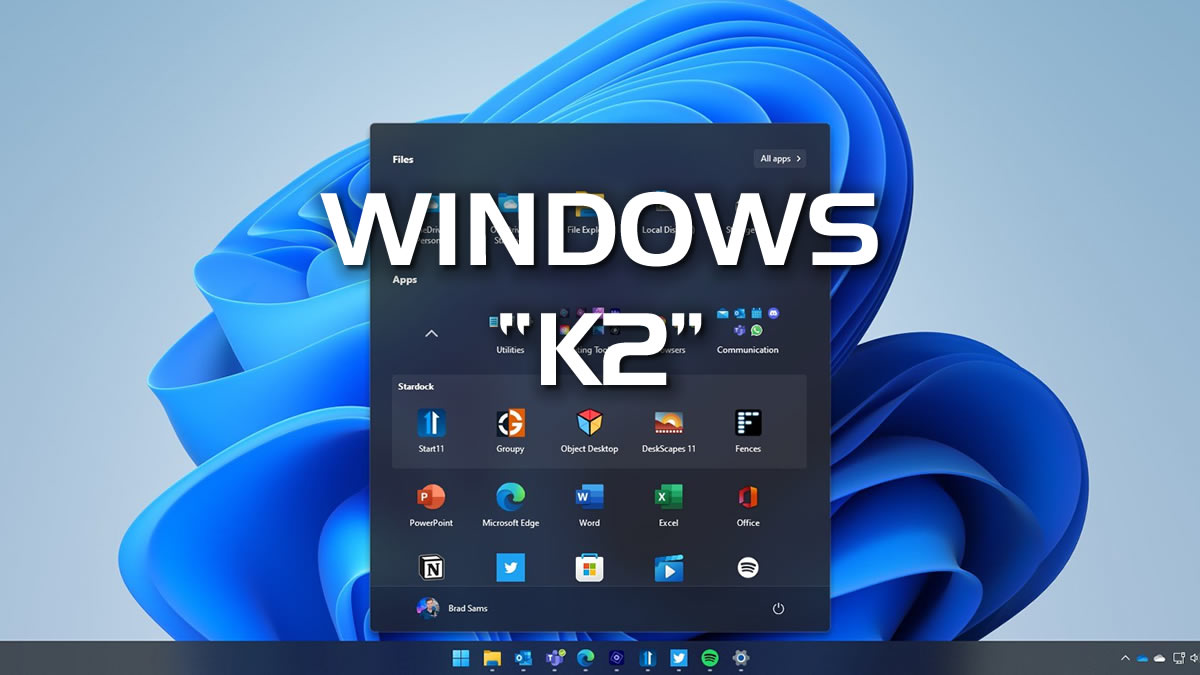
Windows “K2” isn’t Windows 12, it’s better than that
Microsoft has promised to make Windows 11 faster and more reliable. Over the years, goodwill towards Windows has eroded, and many users have begun actively seeking an alternative. Recently, Microsoft’s focus on Copilot and AI has accelerated this negativity to the point that Microsoft has started taking Windows seriously. With “Windows K2”, Microsoft aims to address the biggest complaints about Windows 11, making the OS faster, more stable, and more user-friendly.
Project “K2” started in late 2025, and many of its changes have started appearing in Windows Insider builds. This includes a movable taskbar and changes to Windows Update. Project K2 is an ongoing process with no end date, and it aims to improve Windows’ quality and maintain high standards.
Quality beats agility
According to Windows Central, Microsoft’s Windows team is undergoing some major cultural changes. Teams are no longer focusing on shipping new features fast. Before Project “K2”, teams focused on agility instead of quality. Ultimately, Microsoft’s focus on speed came at the cost of quality and reliability. This made Windows more frustrating to use, as the OS kept changing and often felt buggy. That’s not a good user experience, and Microsoft knows it.
Now, Microsoft reportedly isn’t allowing new features into public preview builds until certain quality thresholds are met. The bar has been raised for developers, and that is good news for users.
Improved performance is critical for Windows K2
Microsoft is aware that it has let Windows performance slip. While hardware advancements have covered up the decline, Windows 10 is often faster than Windows 11 in some benchmarks. Furthermore, Valve’s SteamOS has been found to deliver more gaming performance on low-end hardware.
Microsoft is now focusing on improving its file explorer and gaming performance. They are also working on Windows’ UI to make it faster. Microsoft is also aiming to make Windows and SteamOS similarly performant in games on equivalent hardware. According to Windows Central, some of Microsoft’s underlying platform changes are “foundational” and will be made “in the coming months”.
File Explorer should see major performance improvements, speeding up file navigation and processing. This will result in faster Windows search. Windows Update is also being improved to require fewer reboots.
Another focus for Windows 11 is to decrease the OS’ footprint. Microsoft wants Windows to run faster on lower-end hardware and to use less memory. These changes should also allow Windows to run more smoothly on higher-end PCs and PC gaming handhelds.
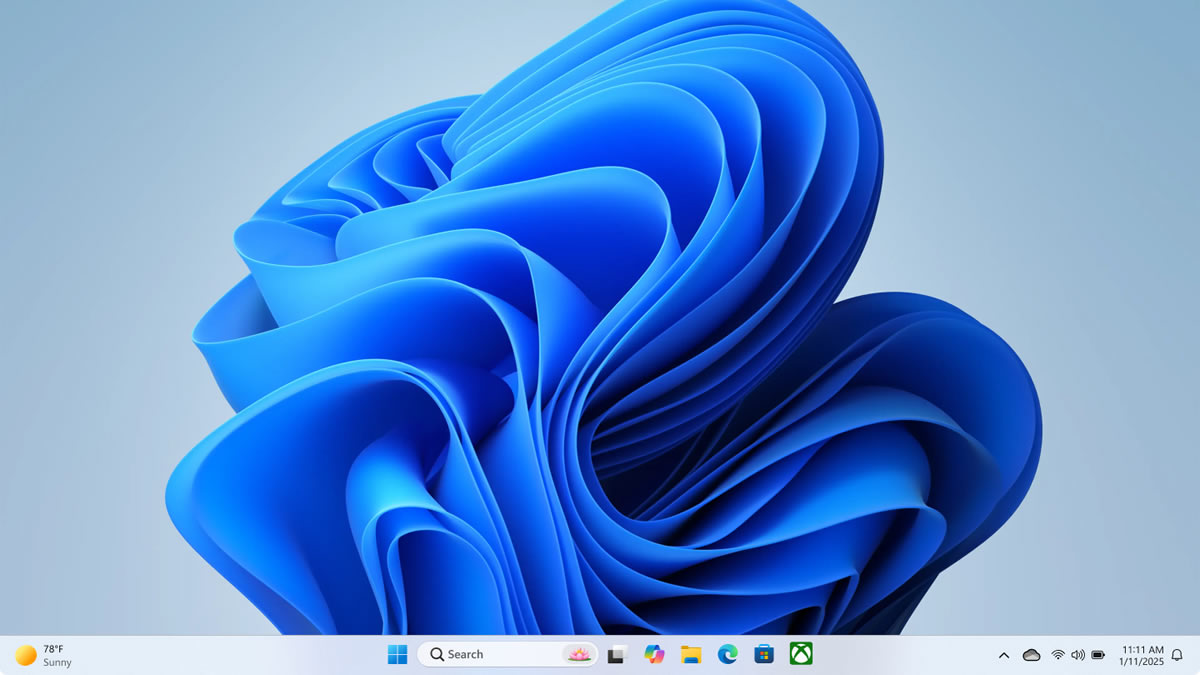
Expect an increased focus on WinUI 3
Microsoft is working on its UI framework. With Windows “K2”, Microsoft is focusing on WinUI 3. Microsoft aims to remake many of its Windows UI elements in WinUI 3 to make them faster and more reliable. This means that slower but faster-to-make/develop WebUI interfaces will be eliminated. A new System Compositor for WinUI 3 should also allow these elements to run faster and with reduced latencies.
Expect the Windows Task Bar to become up to 60% faster
Microsoft’s focus on WinUI 3 should make Windows’ native UI interfaces faster and less memory-hungry. This will make Windows’ Start Menu feel faster and more responsive, even when systems are under high load. Microsoft claims that its new Windows Start Menu will be up to 60% faster and more responsive. Furthermore, it will be more customisable, with users being able to resize and hide sections of the menu. Microsoft is also reportedly planning to remove ads from the Windows Start Menu, combatting another major bugbear of Windows users.
The Windows K2 project is relatively new, but its impact is already evident in Windows Insider builds. The aim is simple: Microsoft wants Windows to be an OS that its users are happy to use, not one they begrudgingly use. In time, this should result in Windows becoming a faster, more responsive OS. That will be good news for all PC users.
You can join the discussion on Windows “K2” on the OC3D Forums.