


Intel Core i7-870 Lynnfield Processor

Conclusion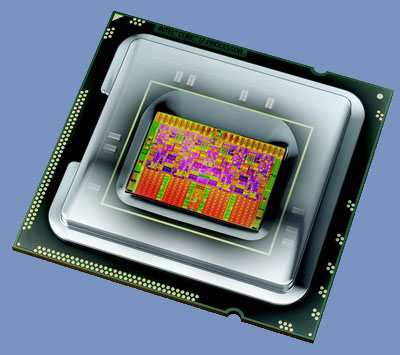
With AMD rapidly gaining ground on Intel, the pressure was on for them to keep the gap instilled by the Core2 series. The phenomenal success of the Core range has seen Intel race away from it’s major competitor and despite AMD clawing some ground back recently, Intel have once again come up trumps with a revised CPU that will keep the hounds from the door and add yet another nail to the green coffin of AMD.
The revised Core i7 is even faster than before with a clockspeed of 2.93GHz with a stable overclock of 4.45GHz some 1.5GHz faster than stock which will no doubt please enthusaists and quash the rumours that the new chips are locked down with restricted overclocks. I would liked to have seen triple channel support as with the Core i7-9xx range as I feel the dual channel may prevent a lot of enthusiasts upgrading to the new i7 8 series, favouring instead the cheaper i5 range. Intel are keen to point out that the new i7 CPU still offers plenty of bandwidth for the end user but I still believe that utilising a dual controller is a step backwards.
However, the reasoning behinds Intels apparent madness is actually quite logical. By removing that extra memory controller and taking the QPI link and replacing it with the slower DMI, Intel are aiming more for the masses rather than the Ultra high end sector of the market. Because of the reduction in specification, Intel can lower the fabrication cost which can then be passed on to the consumer. Couple this with the cheaper P55 chipset required for the new skt 1156 CPU’s and you have the makings for a much cheaper setup than the X58/Core i7 9xx combination. What I still fail to understand is why name the CPU the same as it’s skt1366 sister CPU. Sure the 7, 8 and 9 series do distinguish the CPU’s a little but I would still have preffered Core i6 or similar. I can see many DSRs being abused due to this renaming strategy which will be a continual headache for e-tailors.
The CPU we had for review today was the range topping Core i7-870 which, like all flagship products carries a high pricetag. While we are yet to receive official prices from Intel, I estimate the i7-870 will be around the $550 mark equating to a guestimate of around £330 when tax, import and UK rip-off prices are taken into account. That’s not such a bad price when you consider that the entry level i7-920 upon initial release was close to that mark. The more mainstream 860 and Core i5-750 will be around the $275 and $190 respectively which will be much more affordable and no doubt more popular that the i7-870 we have reviewed today albeit a tad slower in operation in stock format.
It’s hard not to admire Intels R&D department as just when you think things cannot get any faster, they go and prove us all wrong. While the i7-8xx range is hardly as groundbreaking as the original Core series, nobody can dispute that Intel have waved their magic wand over the Core series refresh and by trimming the expensive fat from the obese 9xx series they have packaged a product more affordable for the masses.
The Good
– Performance
– Overclocking
– Retention of 8mb L3 Cache
– Turbo Technology
– Price
The Medicre
– Temperatures, while less than 9 series are still quite high
– Memory bandwidth suffers thanks to the lack of a triple channel controller.
The Bad
– Confusing name