


Ghost of Tsushima PC Performance Review and Optimisation Guide

Conclusion
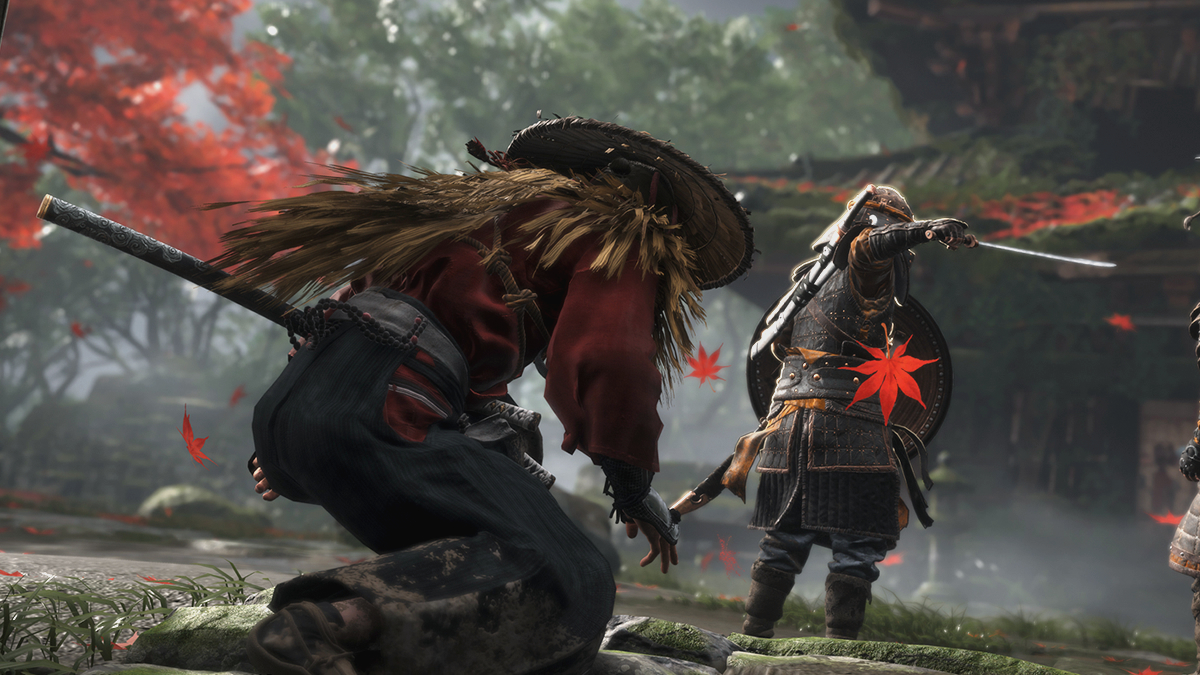
Ghost of Tsushima is another solid PC release from Sony
Overall, Ghost of Tsushima is another solid PC release from Sony and Nixxes. The game supports all modern upscalers, it runs well across a wide range of hardware configurations, and it supports graphical options that seem to go beyond the game’s PlayStation 5 version.
Honestly, there isn’t much to complain about this this PC release. While the game struggles to run well on Nvidia’s RTX 2060 graphics card, it is worth remembering that it is a mid-range GPU from 2019. Beyond that, it’s struggles come from its small 6GB frame buffer, something that reviewers have complained about since launch. This game runs best on GPUs with 8GB of VRAM or more, and if you are running this game at resolutions beyond 1440p, you would benefit from some more VRAM.
Visually, the only complaint that I have with this game is some of the strange graphical issues that I see with DLSS (less so with FSR), and the game’s low texture resolutions in many areas. The latter issue stems from the fact that Ghost of Tsushima is a game from the PS4 era. The former is something that can likely be addressed with some game updates.
Regarding DLSS, it mostly works as expected. However, DLSS Frame Generation reacts strangely to the game’s black bars during cutscenes. Beyond that, it can react strangely with tis game’s depth of field effect. For this reason, I have been playing Ghost of Tsushima without Depth of Field when using Nvidia hardware. Again, this could be fixed with a future game update.
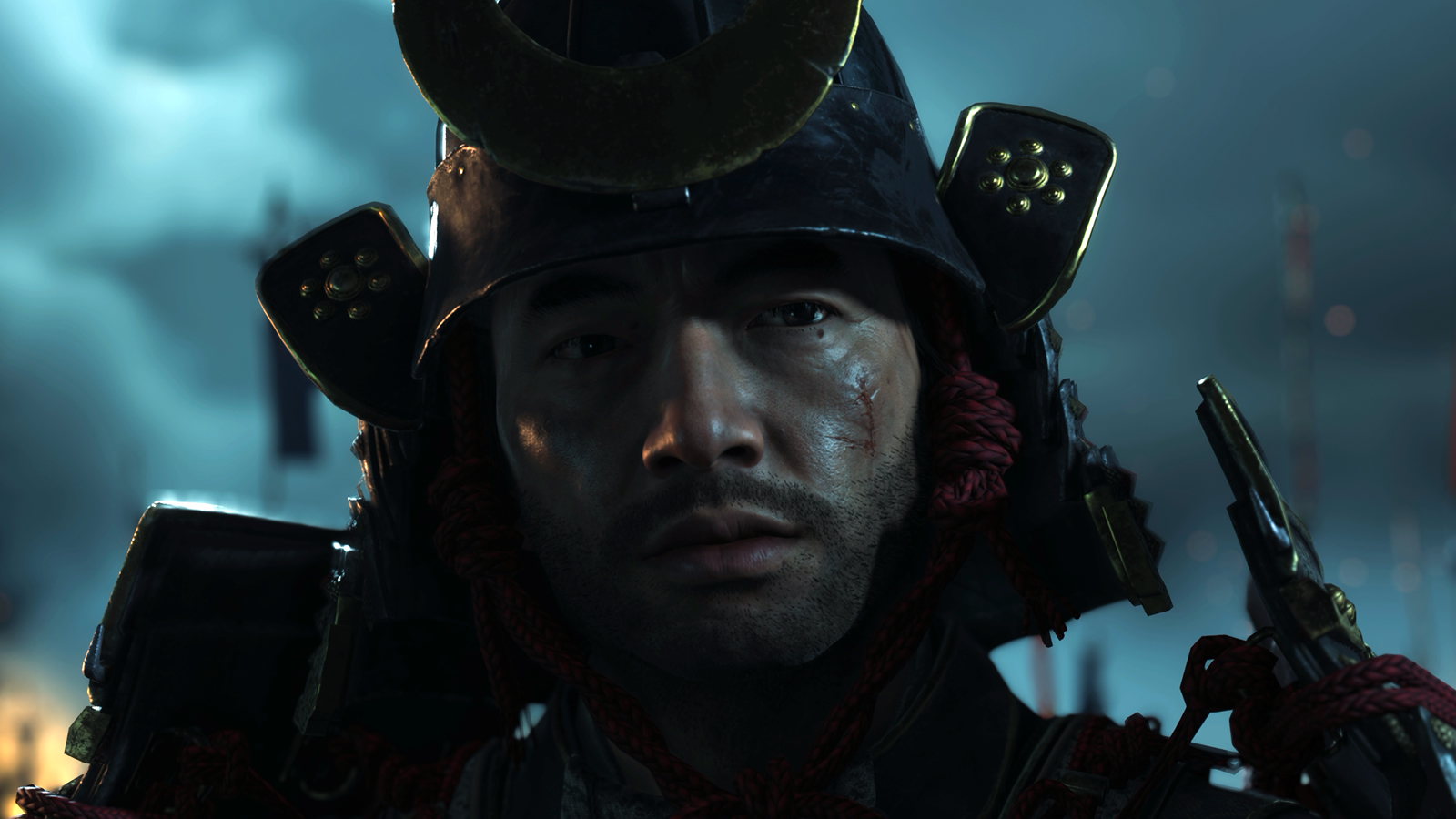
Is Ghost of Tsushima using an early version of FSR 3.1 on PC?
Ghost of Tsushima is the first PC game that allows AMD’s FSR 3 Frame Generation technology to be used without FSR 3 Super Resolution. This means that Intel users can use with with XeSS, and Nvidia users can use it with DLSS Super Resolution. That’s great news for users of Intel or older Nvidia GPUs. Beyond that, Ghost of Tsushima’s implementation of FSR Super Resolution is stellar, suggesting that Nixxes could be beta testing AMD’s newest version of their Open Source upscaler, FSR 3.1.
Overall, Ghost of Tsushima is a game that runs well on PC and delivers everything that we would expect from a Nixxes PC release. There are some issues that could be addressed with patches, but there is nothing gamebreaking here. We’ve had a great time playing Ghost of Tsushima on PC, and I look forward to playing it some more.
You can join the discussion on Ghost of Tsushima’s PC version on the OC3D Forums.