

True PSU Innovation – Lian Li RS1200G 1200W PSU Review

Meet the Lian Li RS1200G “rotational” PSU
High-end PSU design with a twist
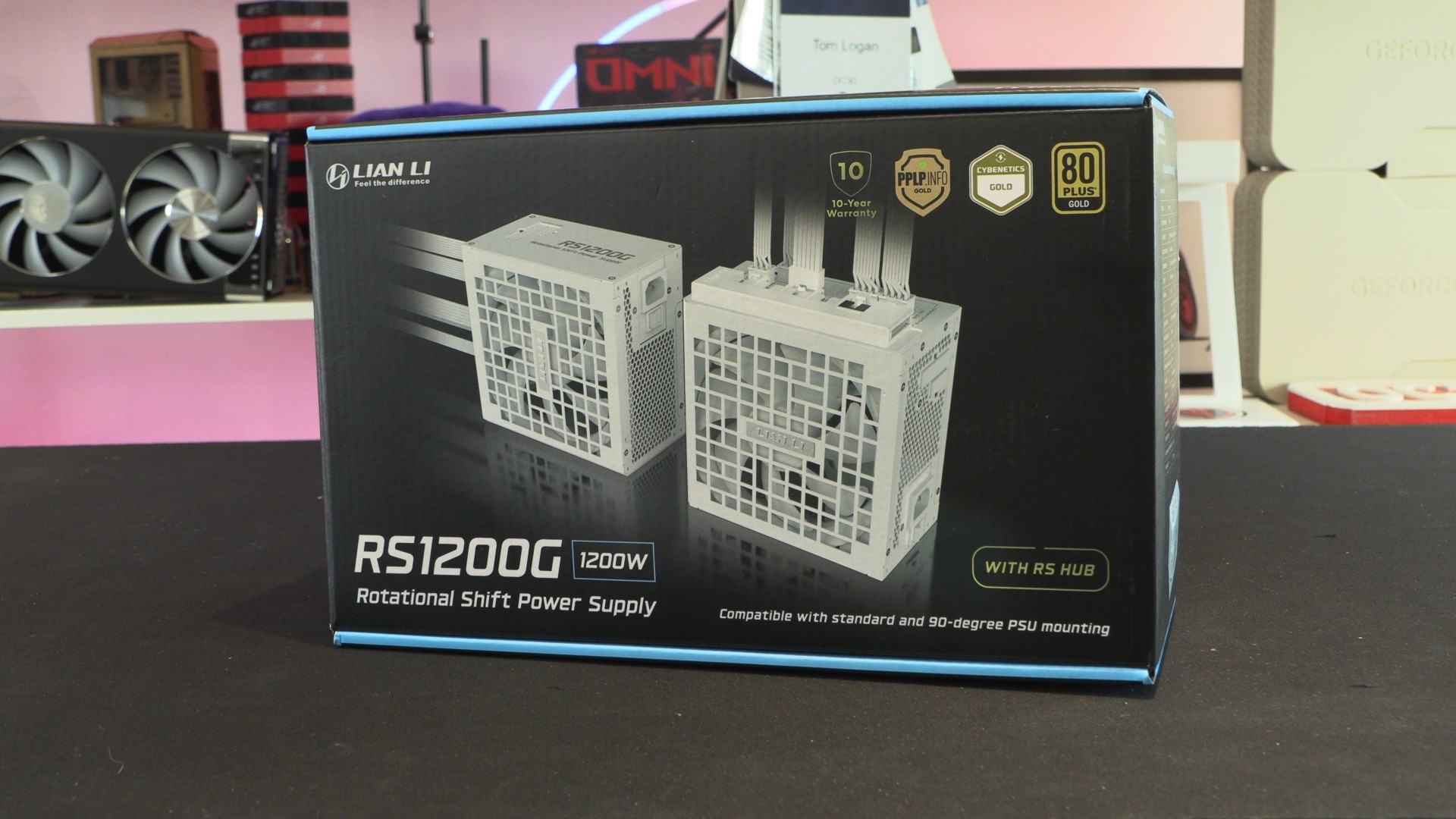
Lian Li has just launched its new RS series of power supplies, and, to say the least, it has been cooking. The RS1200G isn’t a “standard” power supply. This PSU is packed with unique features, interesting accessories and upgraded components. While it is a standard ATX PSU at its core, Lian Li has clearly built its RS1200G to disrupt the PSU market.
A “Rotational” power supply
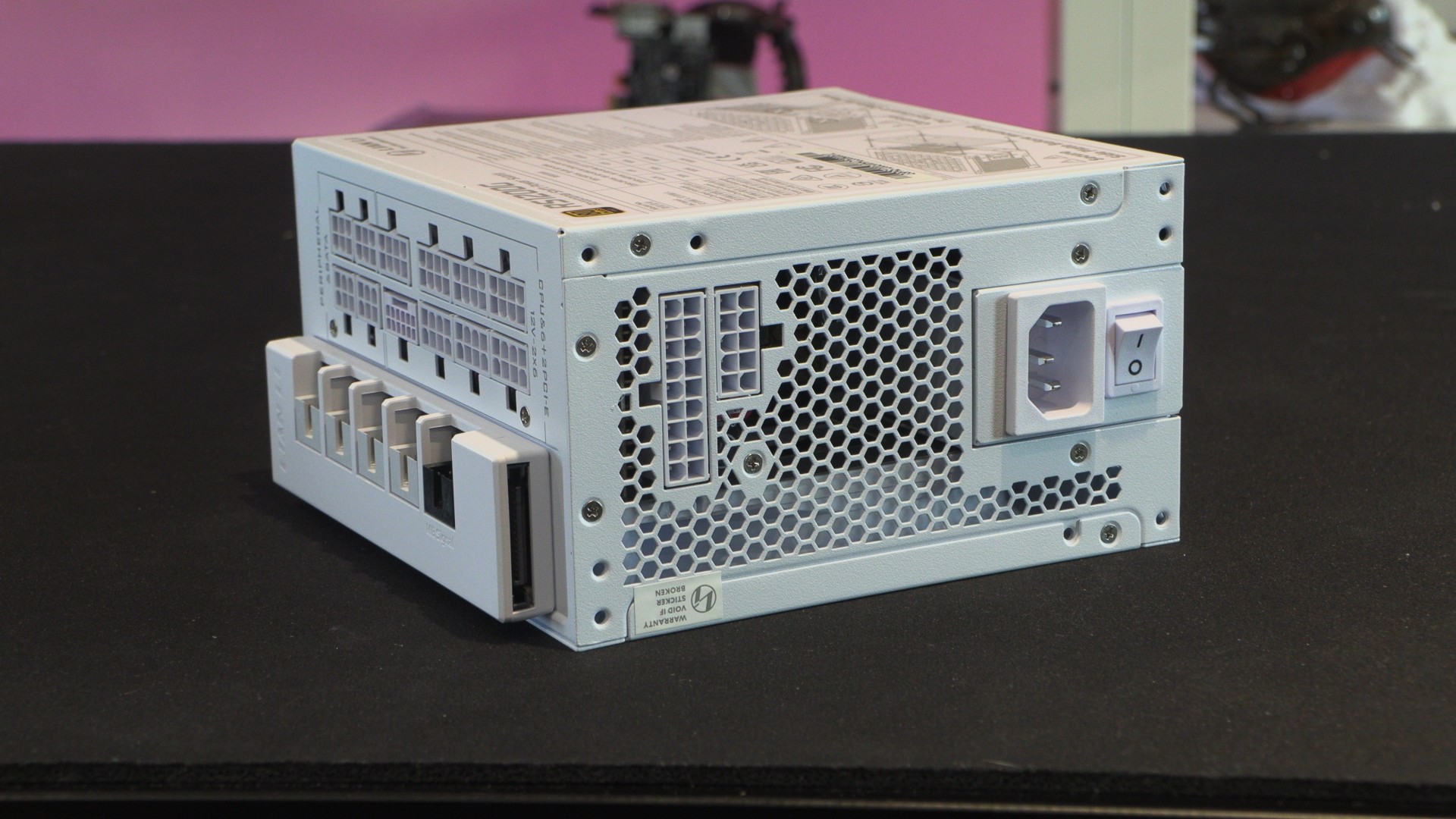
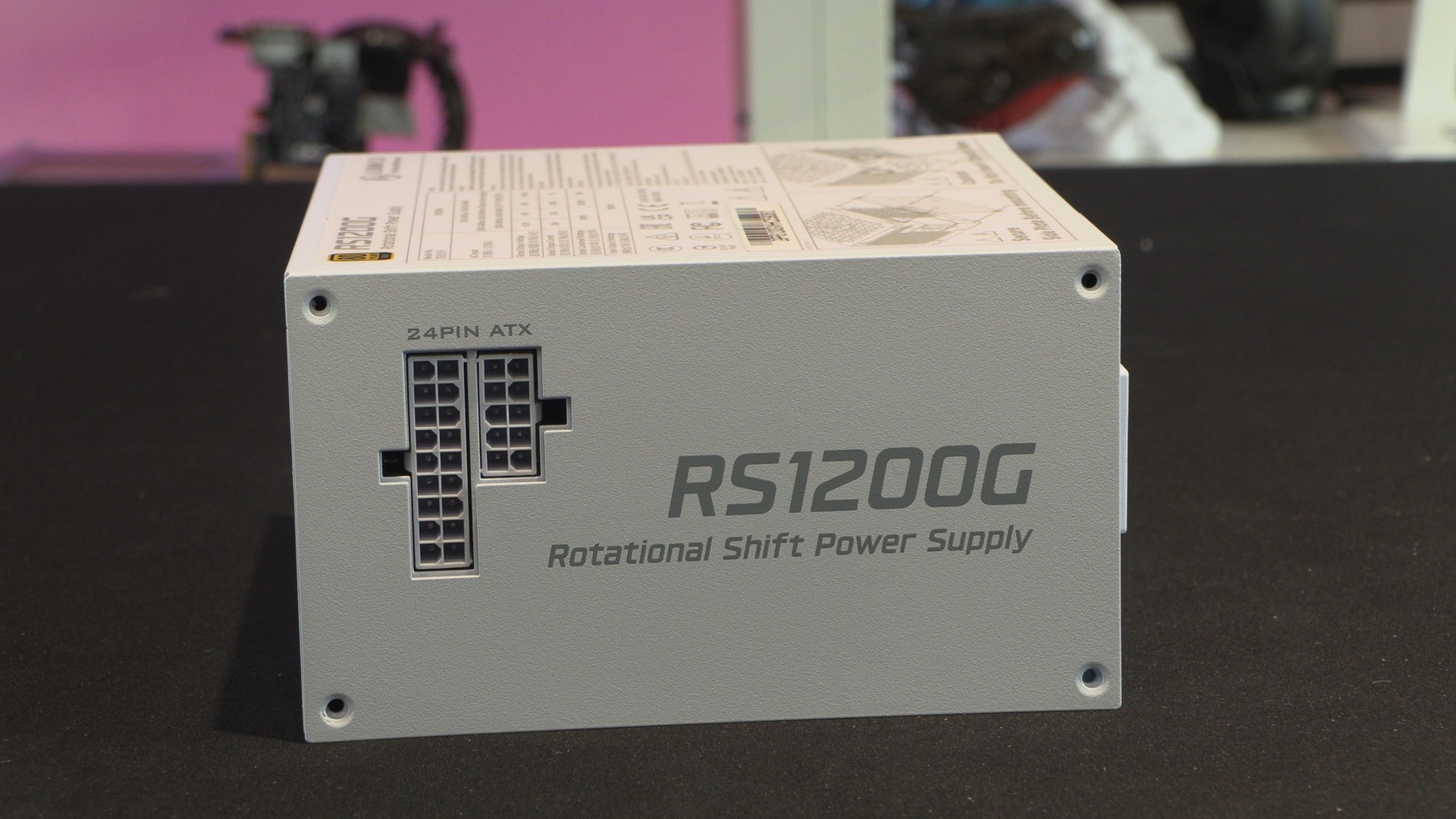
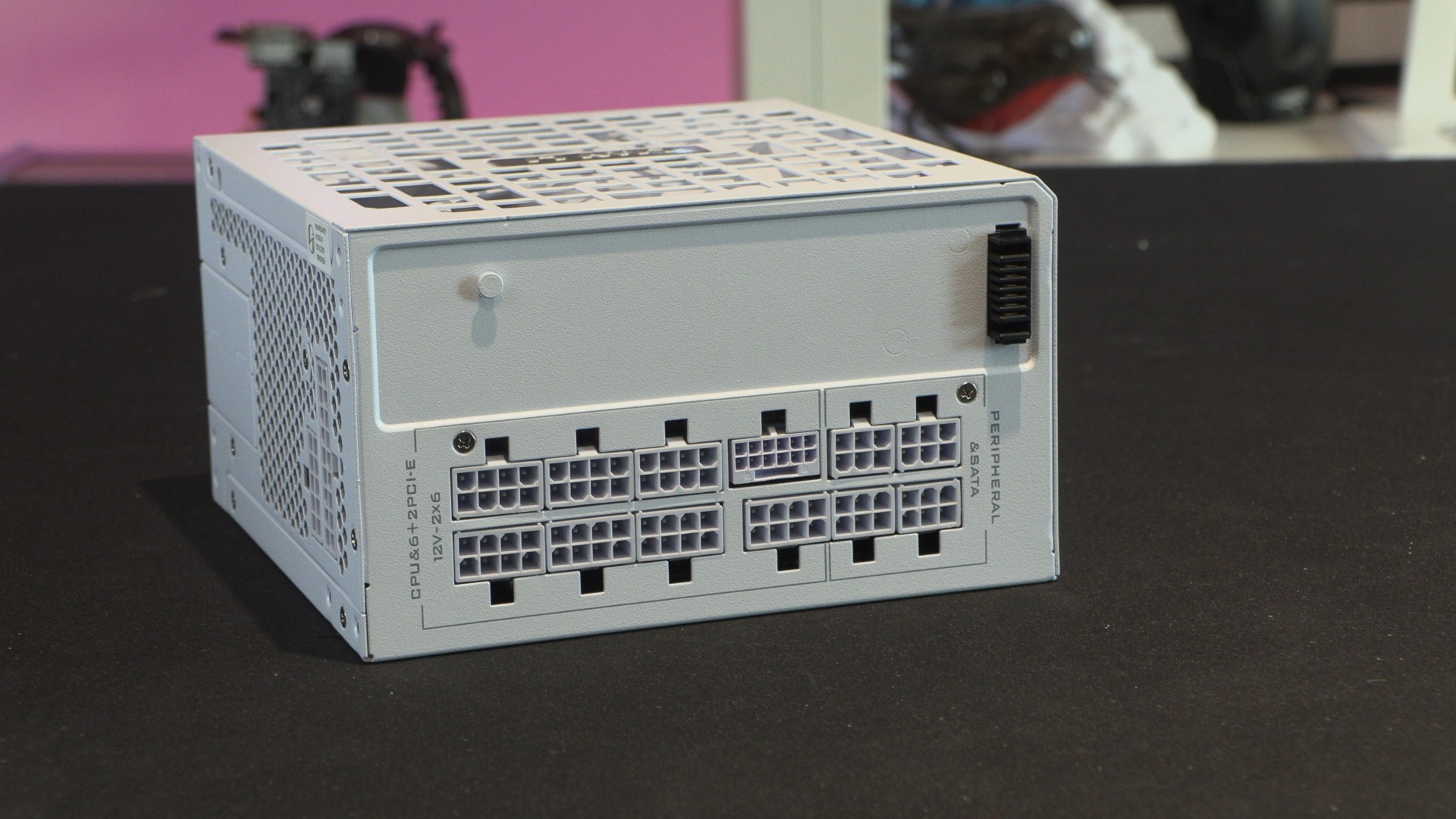
The key feature of the RS1200G is its “rotational” nature. This allows this PSU to “shift” between two configurations. The first configuration is a standard ATX configuration, while the other is a “shifted” ATX form factor. This second orientation has most of the power cables coming out of the side of the unit. This makes Lian Li’s new PSU similar to Corsair’s “Shift” series PSUs, though Lian Li’s unit can also be rotated to function as a standard ATX PSU.
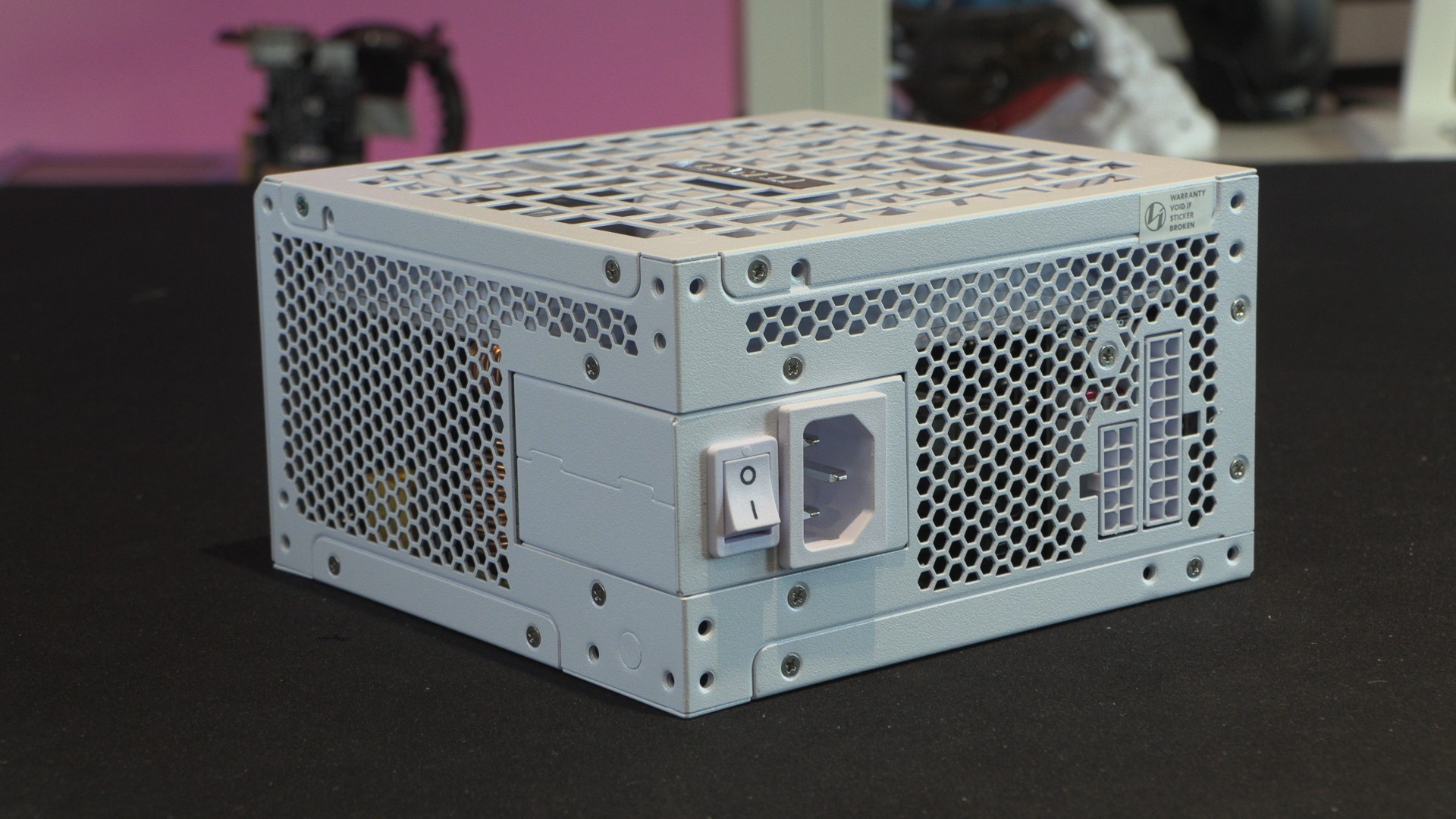
With the RS1200G, PC builders can configure their PCs to best suit their PC’s needs. That said, this design necessitates the need for PSU cover plates and and plastic covers to block unused 20-4-pin ports.
Blanking plates
Where necessary, users of this PSU can install blacking plates. This can lock Lain Li’s PSU into a specific orientation.
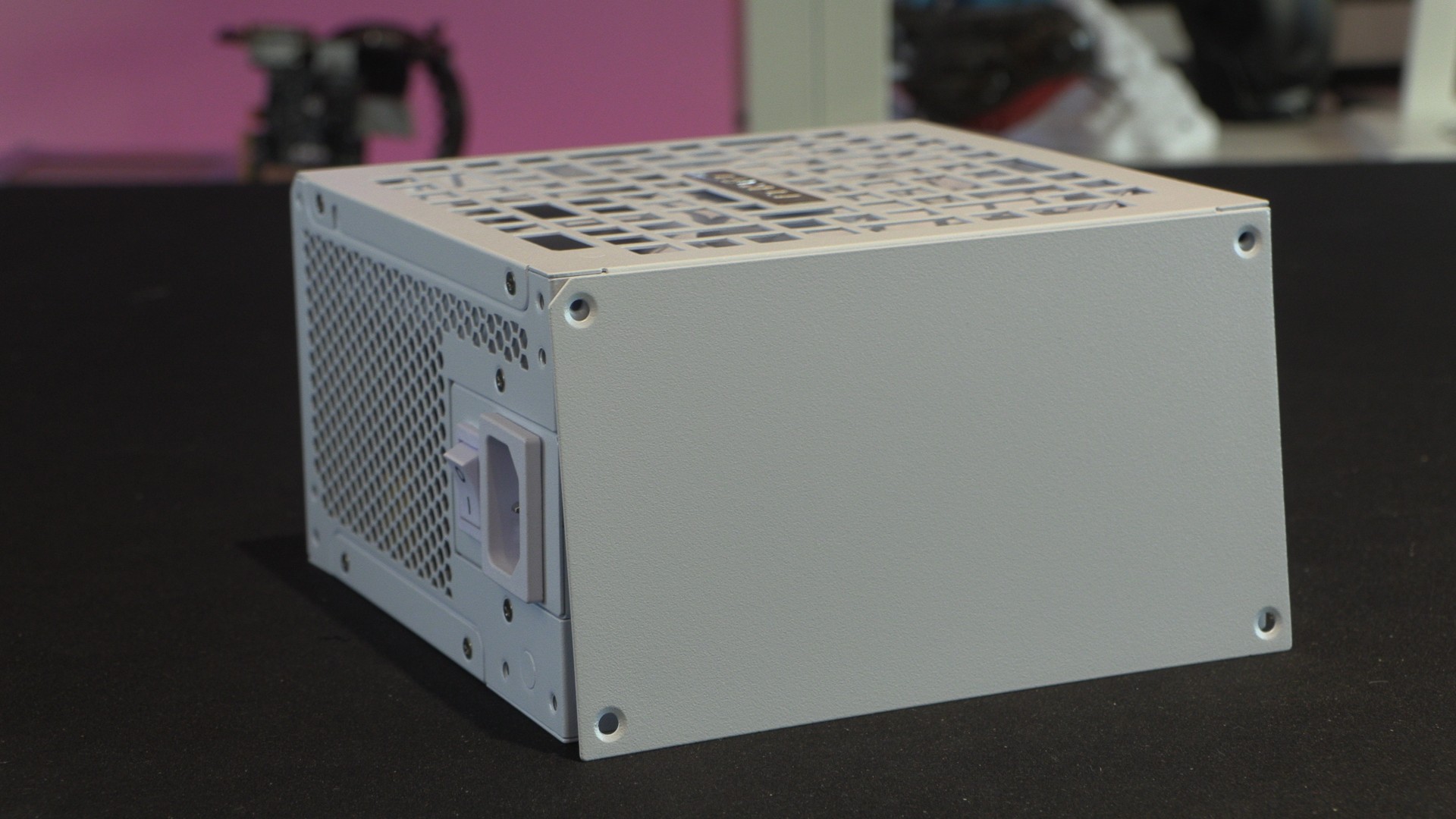
Note that in this PSU’s standard orientation, users will need to use one of two side-mounted 20+4 pin power connectors.
Lian Li’s RS HUB
The second unique feature of this PSU is its included USB hub. This allows users to connect a large number of PC accessories to a single USB port on their PC. This hub can be connected to your PSU using the push pin and power connector below. Alternatively, it can be magnetically attatched to your PC case and powered using a SATA connector.
Below is what the Lian Li RS1200G looks like with its USB hub installed.
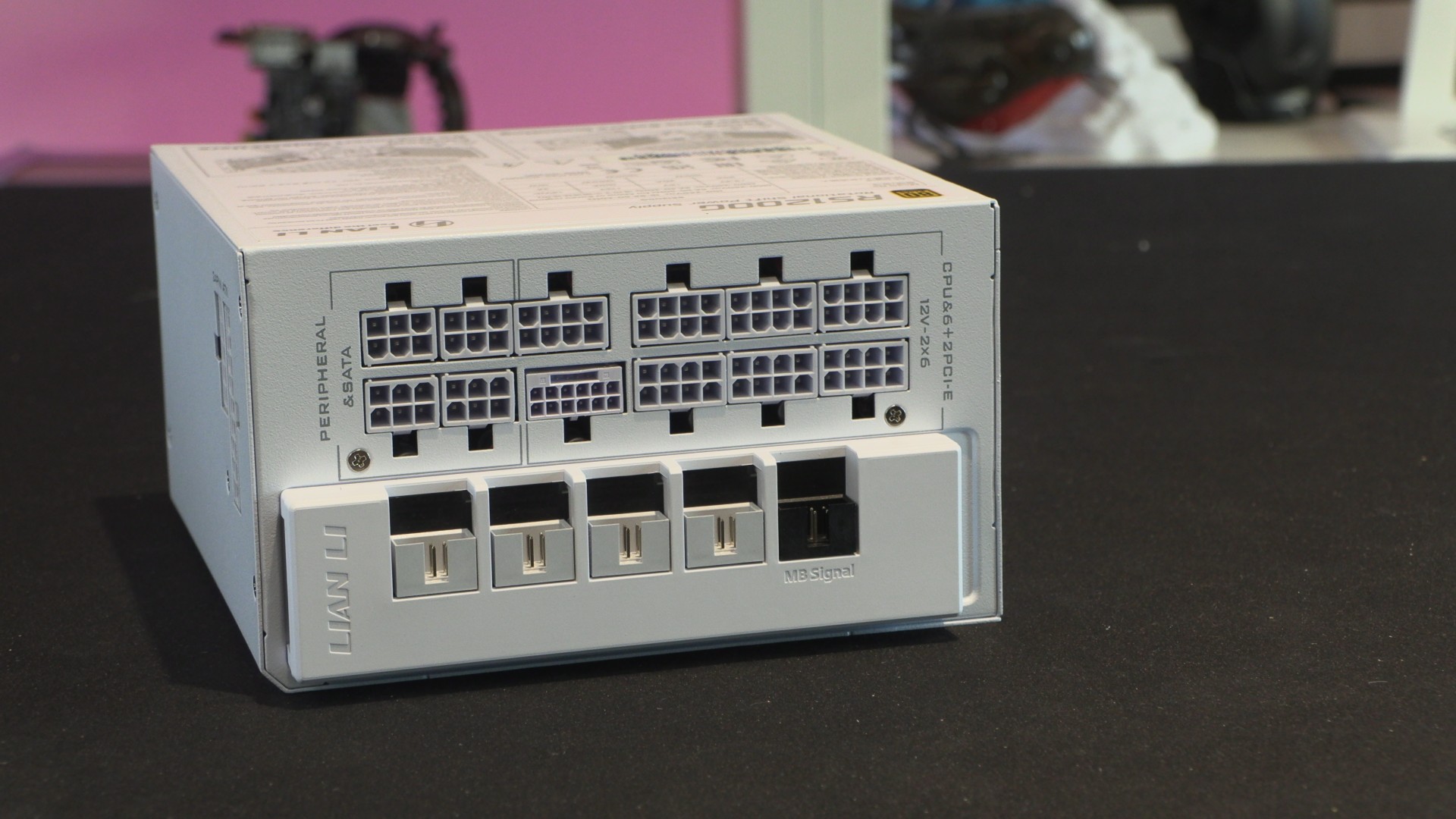
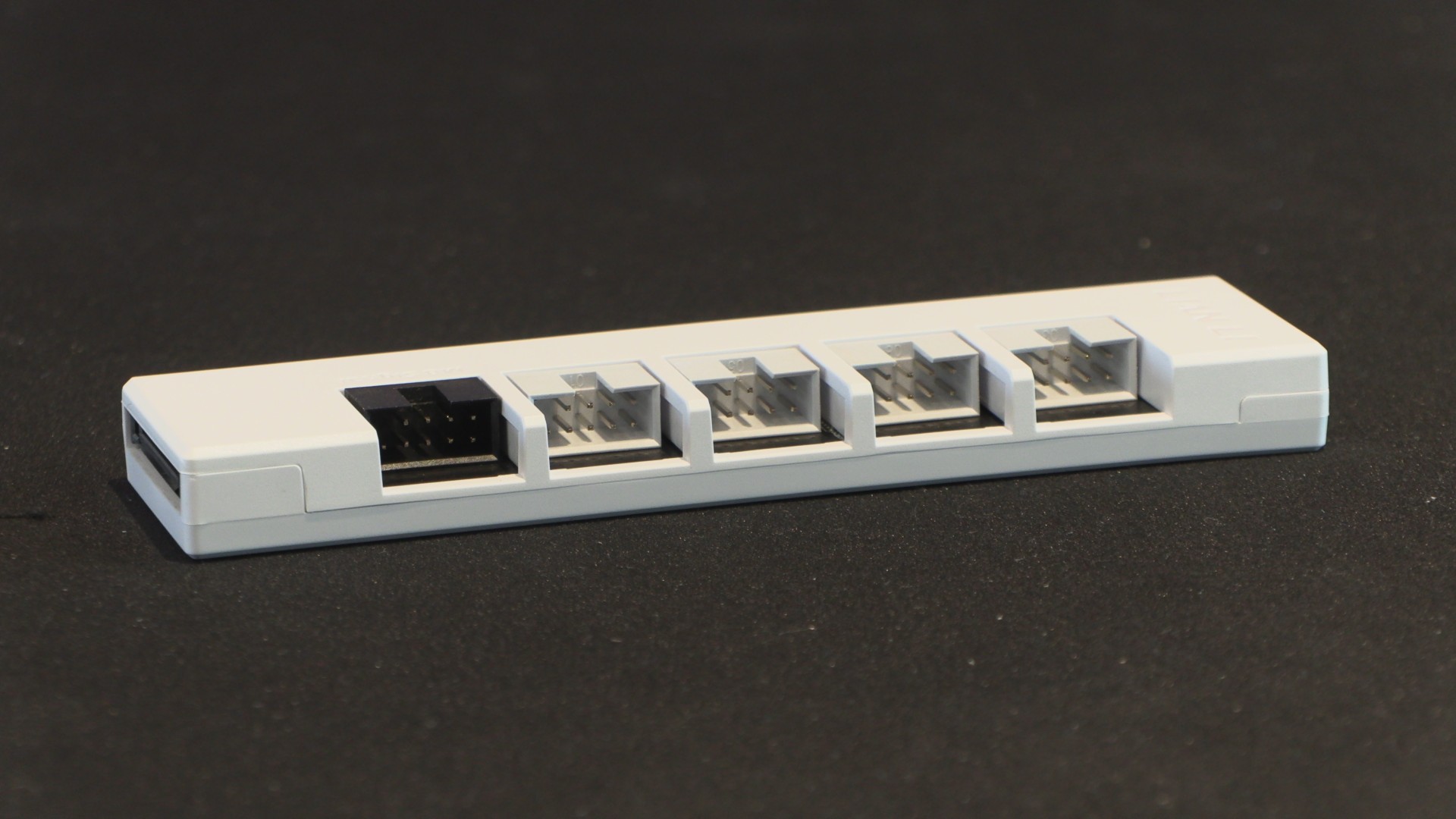
This is what Lian Li’s USB hub looks like when uninstalled. Note that it can be used to connect four USB devices to a single USB header on your motherboard. Note that Lian Li provides internal USB header support and external USB Type-A connector support with its provided cables.
Cables
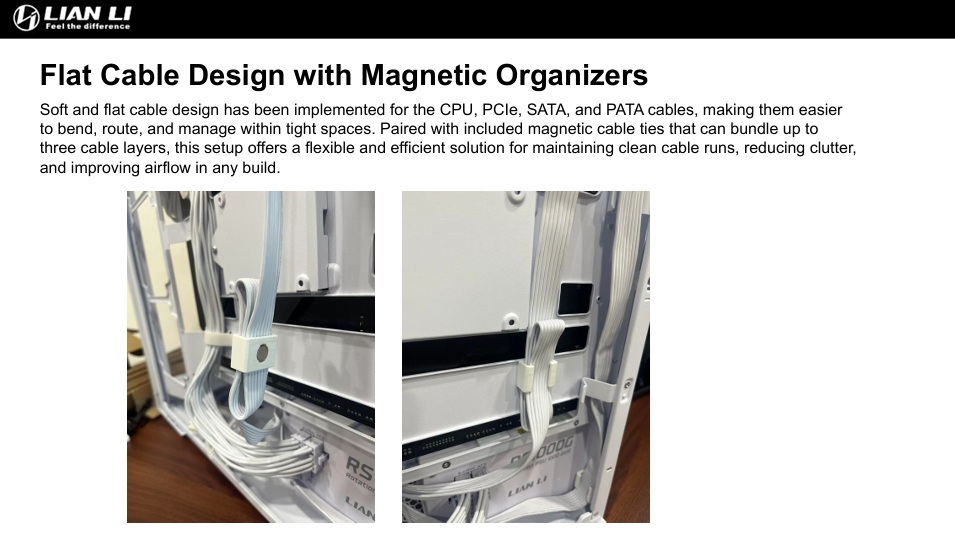
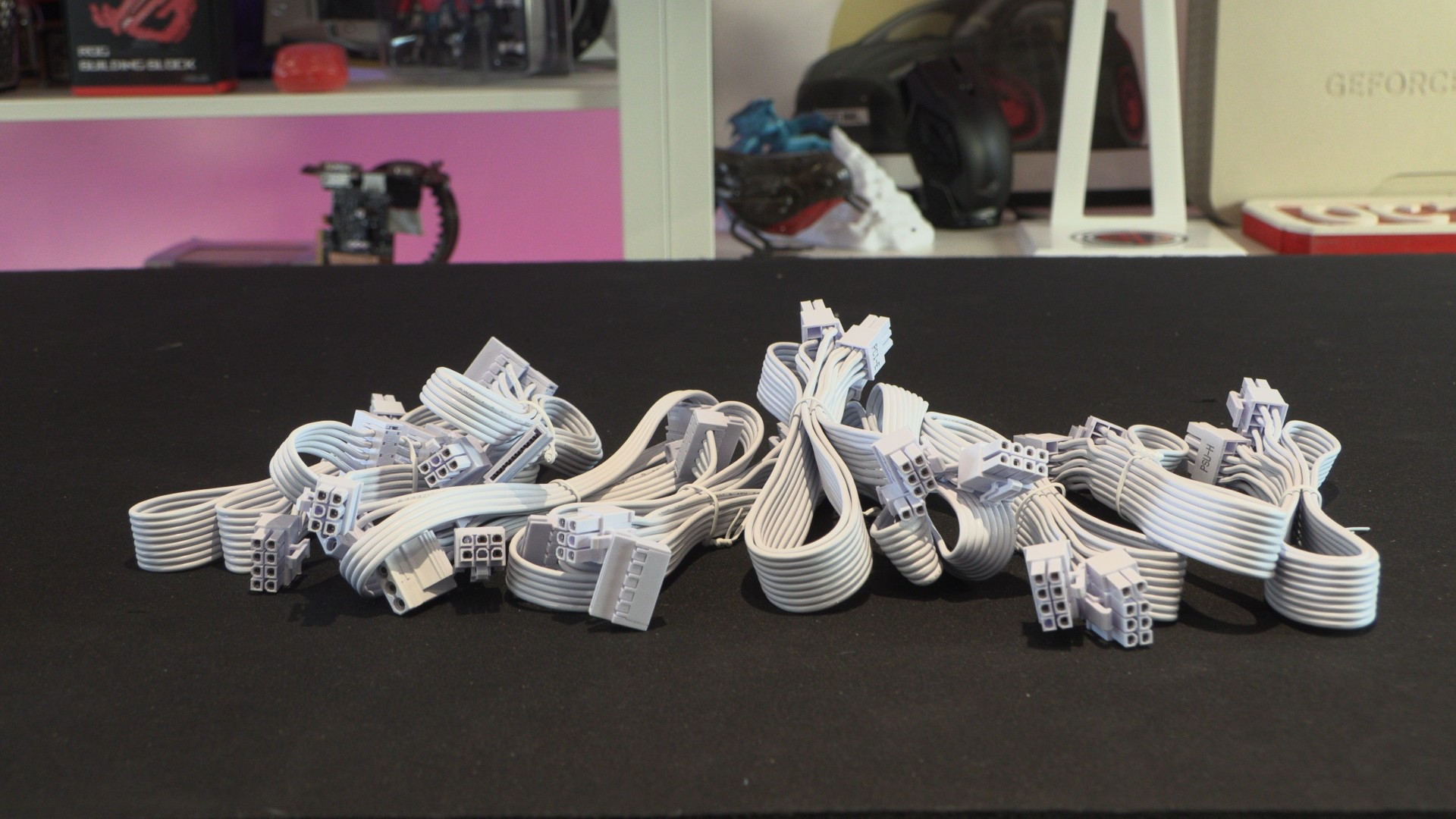
For most of its cables, Lian li’s RS1200G uses flat cables. These cables support Lian Li’s magnetic cable ties, which are much easier to use than standard cable ties. This makes cable management easy.
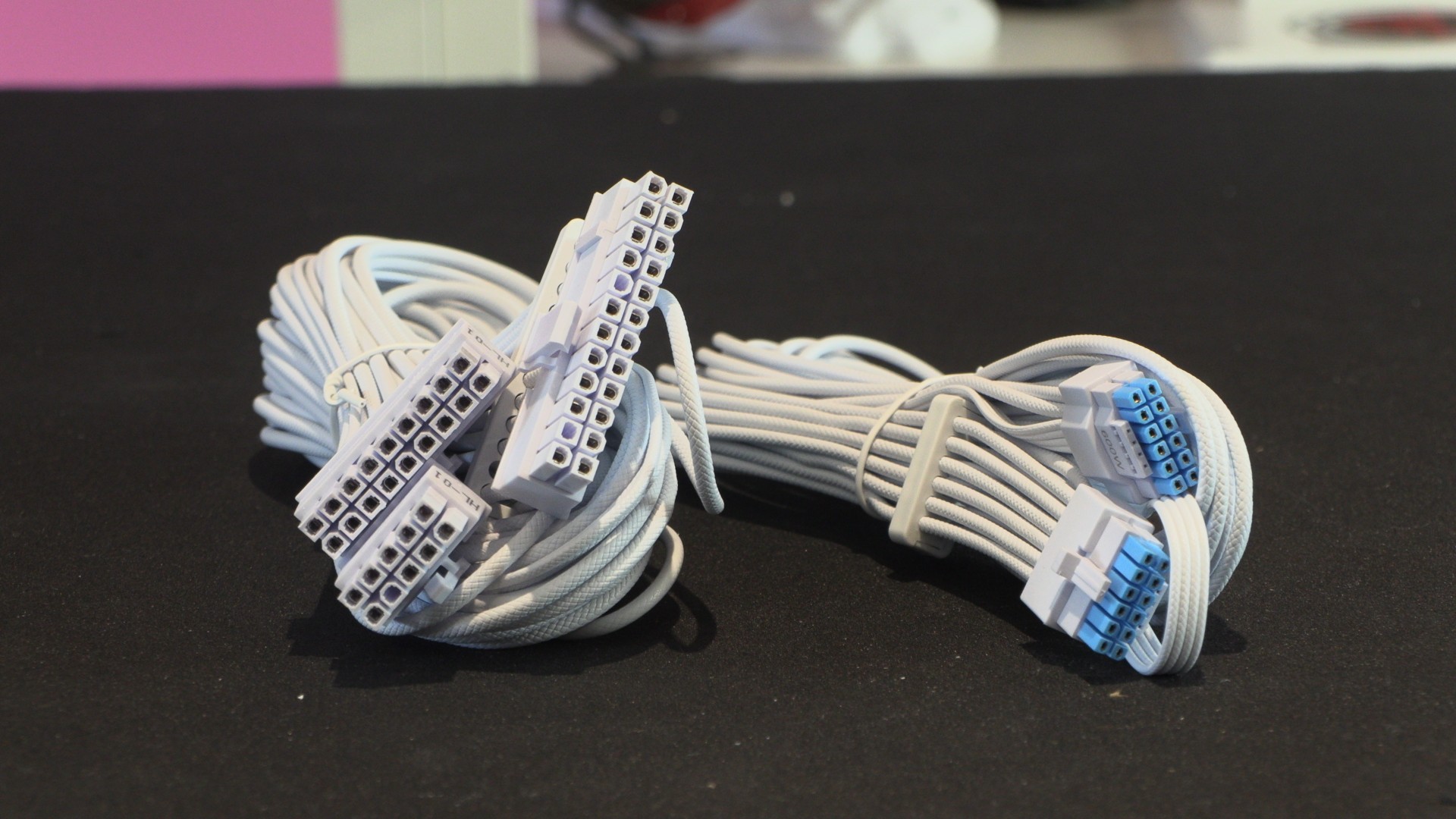
Lian Li’s 24-pin and 12V-2×6 power connectors use plastic sleeving with a braided-style texture. Since these cables will be visible inside most PCs, Lian Li made an effort to make these cables look good. These cables also include cable combs to increase their visual appeal.
Real PSU cable innovation
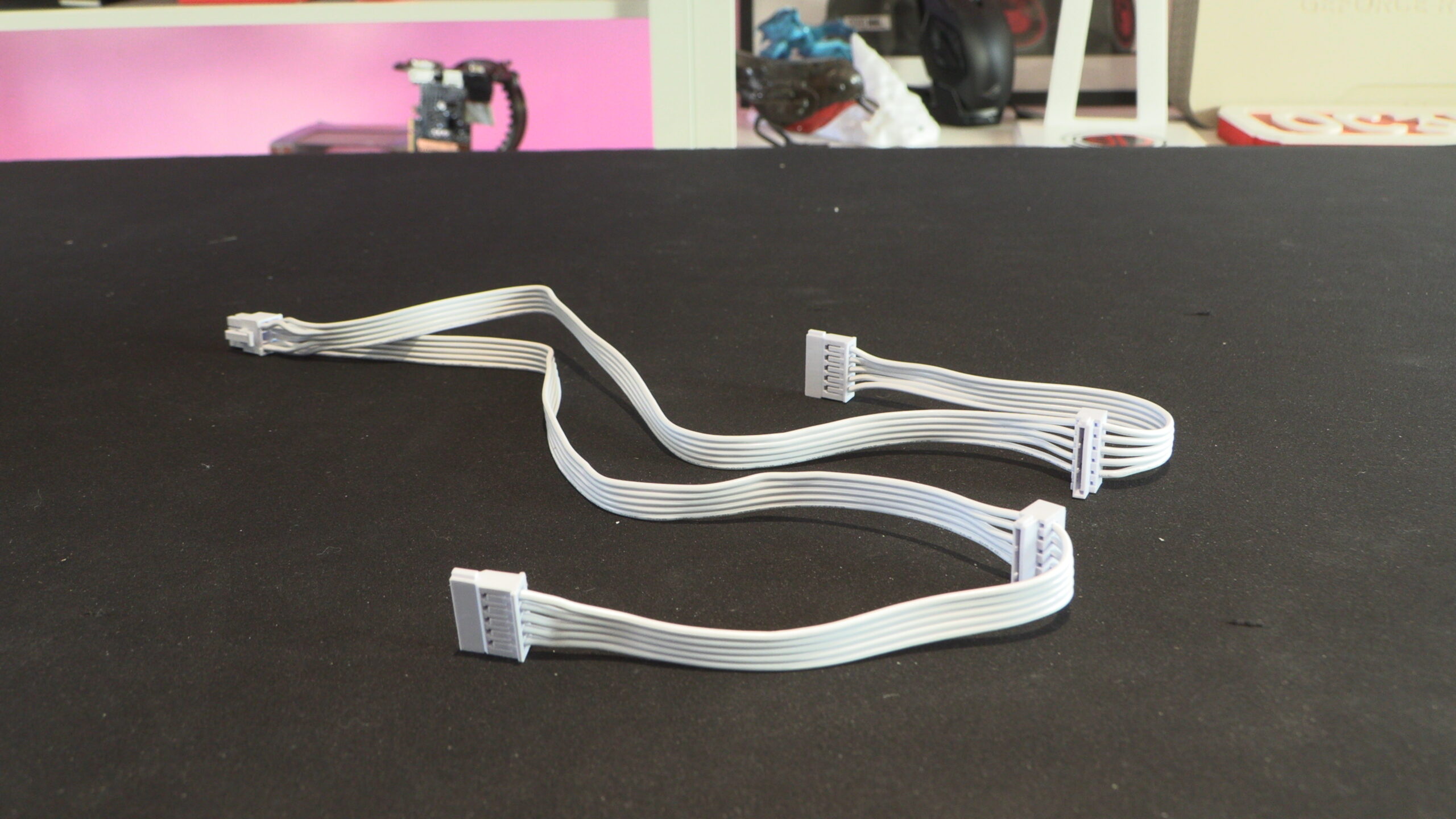
Traditionally, SATA power cables were used to power hard drives. SATA power cables would be available as chains that could power a bank of several HDDs. Now, most PC builders do not use HDDs, and SATA power is primarily used to power PC accessories. This is why I think Lian Li’s new SATA power cables are genius. Instead of a single cable chain with four SATA cables, their cable is split into two cables with two SATA power connectors each. That’s perfect for PCs with several SATA-powered accessories. After all, SATA accessories are not often close together, unlike HDDs.
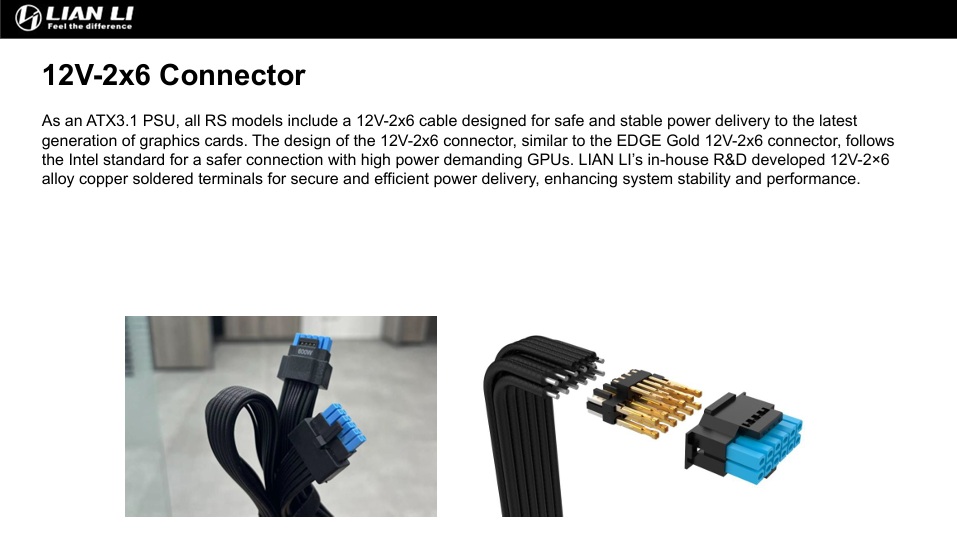
Lian Li’s custom 12V-2×6 connector
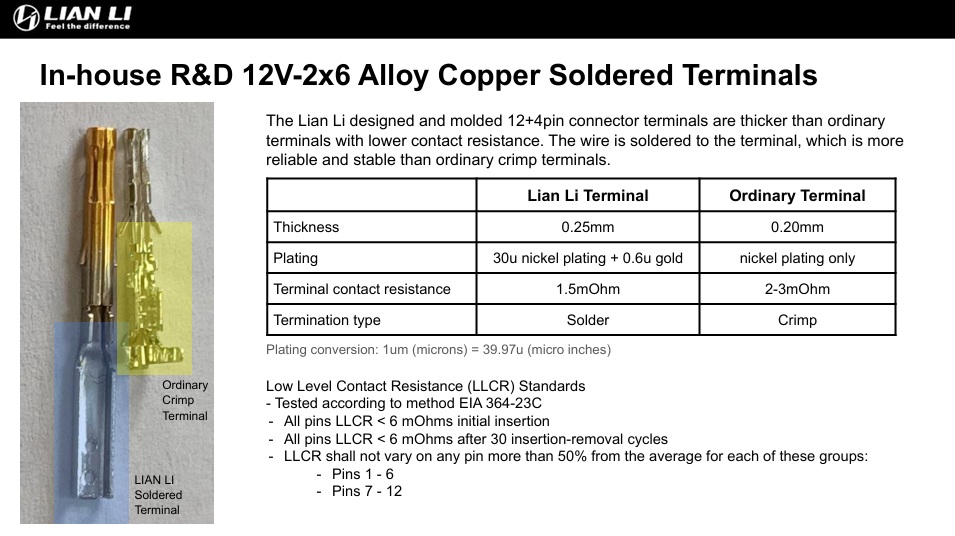
Instead of using a standard 12V-2×6 cable, Lian Li has used a custom design that aims to enhance system stability and power delivery. Lian Li are using thicker terminals, soldered terminations (not crimped) and uses a nickel plating with a small amount of gold.
Lian Li’s design minimises contact resistance, which enables more stable power delivery. This should make Lian Li’s design safer to use, especially after many insertion-removal cycles.
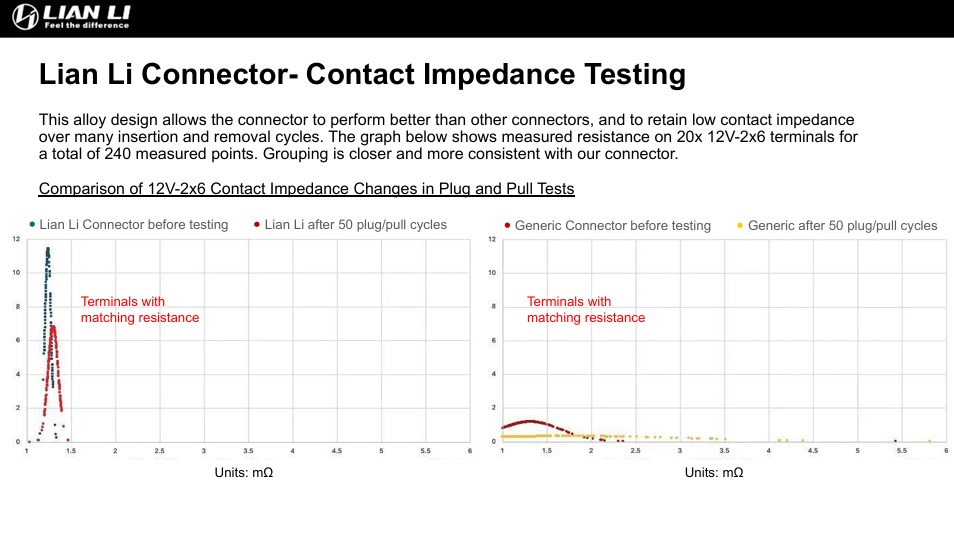
Lian Li’s cable design performs better than standard 12V-2×6 power plugs, at least according to Lian Li’s testing. Over a large number of insertions, Lian Li’s plug delivers more consistent results with less deterioration after many plug/pull cycles.
Magnetic Cable Organiser
Included with the RS1200G are some neat magnetic organisers. These make cable management easier by effectively adding a cable tie-down position wherever you want. Users can event bend and route their cables to create perfect cable runs inside their PC case.