


Micron creates world’s first 512GB DDR5 modules with stacked DRAM tech

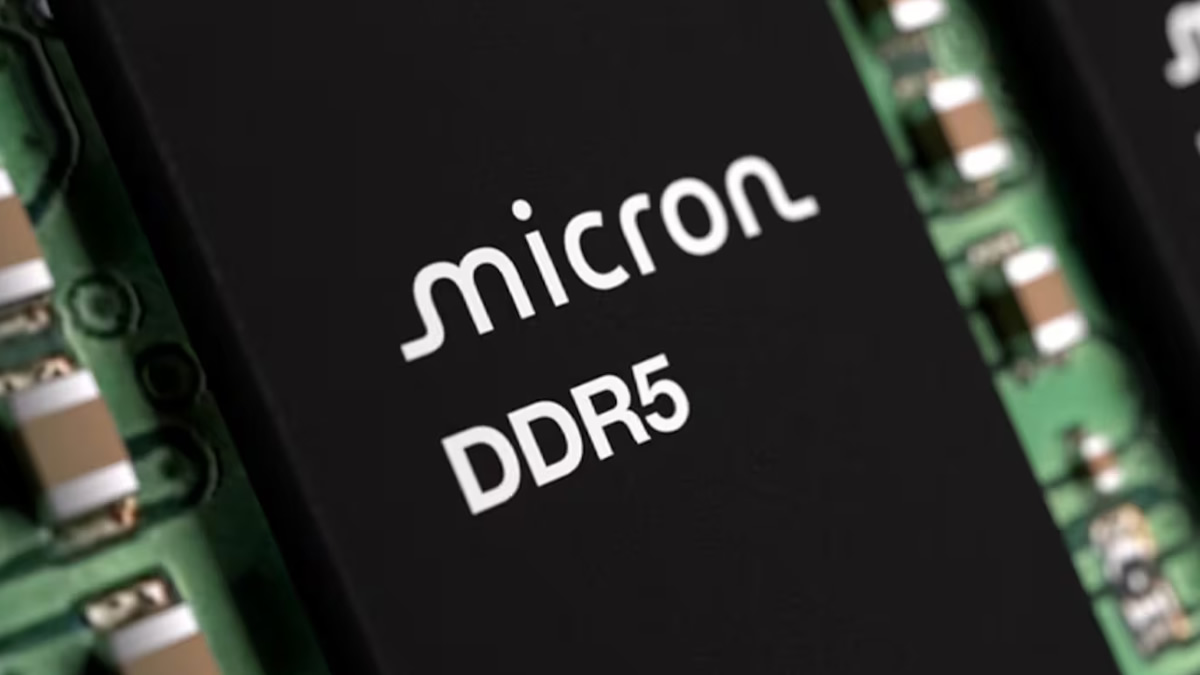
Micron boosts DRAM density using stacked DRAM tech
Micron has created what it calls the world’s first ultra-dense 512GB DDR5 RDIMM modules, letting future servers support even more RAM. AMD and Intel are already validating these modules for their next-generation server platforms, and Micron is boasting 9200 MT/s speeds.
These new modules use vertically stacked DRAM dies interconnected with through-silicon vias (TSVs). This has allowed Micron to maximise memory density within individual DRAM packages, enabling higher memory density without changing the form factor of its DDR5 RDIMM modules. In other words, Micron has packed more RAM into its DRAM modules without making them physically larger. For a 24-slot dual-socket server, these modules can allow individual servers to feature 12TB of memory.
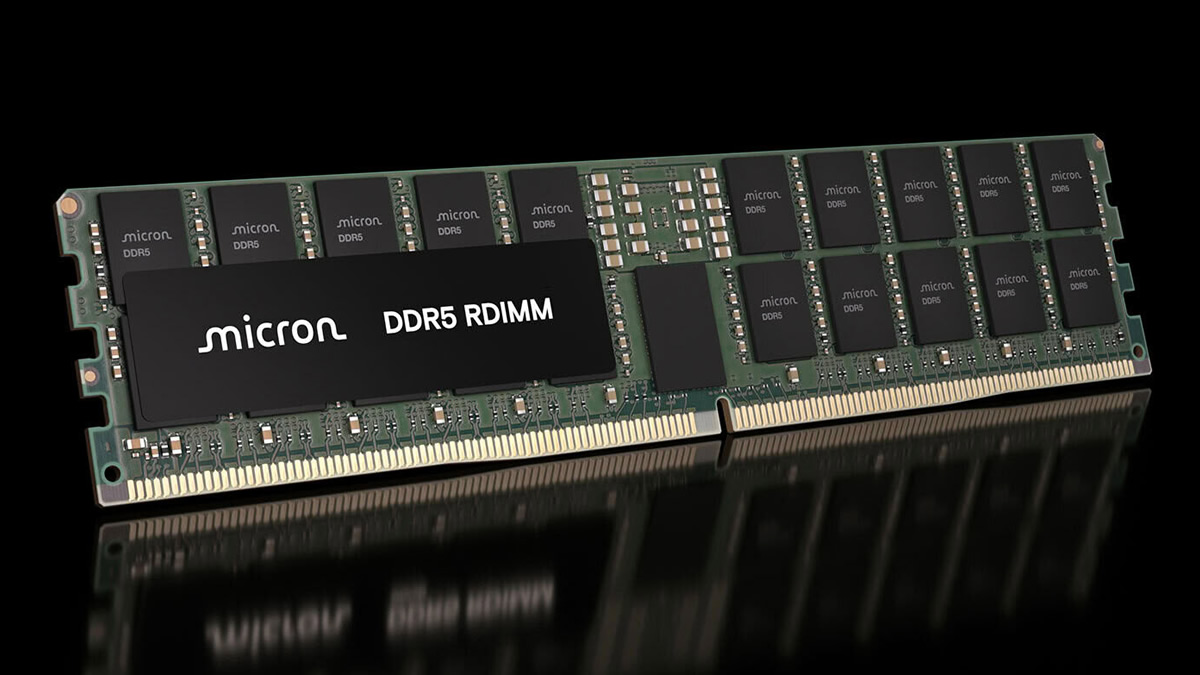
Micron rates its new 512GB RDIMM at 16W, delivering 60% power savings compared with four 128GB modules (which consume 44.2W). While the latter configuration delivers more bandwidth, capacity and power consumption matter more than raw bandwidth in some cases.
Compared with system configurations using 256GB DDR5 RDIMM modules, Micron claims its new 512GB modules can deliver major performance benefits. For memory-bound workloads such as Spark Support Vector Machines (SVM)-based data analytics, Micron claims its 512GB RDIMMs can deliver up to 1.4 times higher performance compared to 256GB DDR5 configurations. For workloads that benefit from having large data sets in memory, Micron’s 512GB modules could be game-changing.
Micron has already started sampling its new 512GB memory modules, and plans to begin volume manufacturing in the second half of 2027.
Join the discussion on Micron’s new 512GB DDR5 server modules on the OC3D Forums.