


AMD RDNA 5 GPU release timing leaks – Mid-Late 2027

Don’t expect AMD to unveil new Radeon GPUs anytime soon
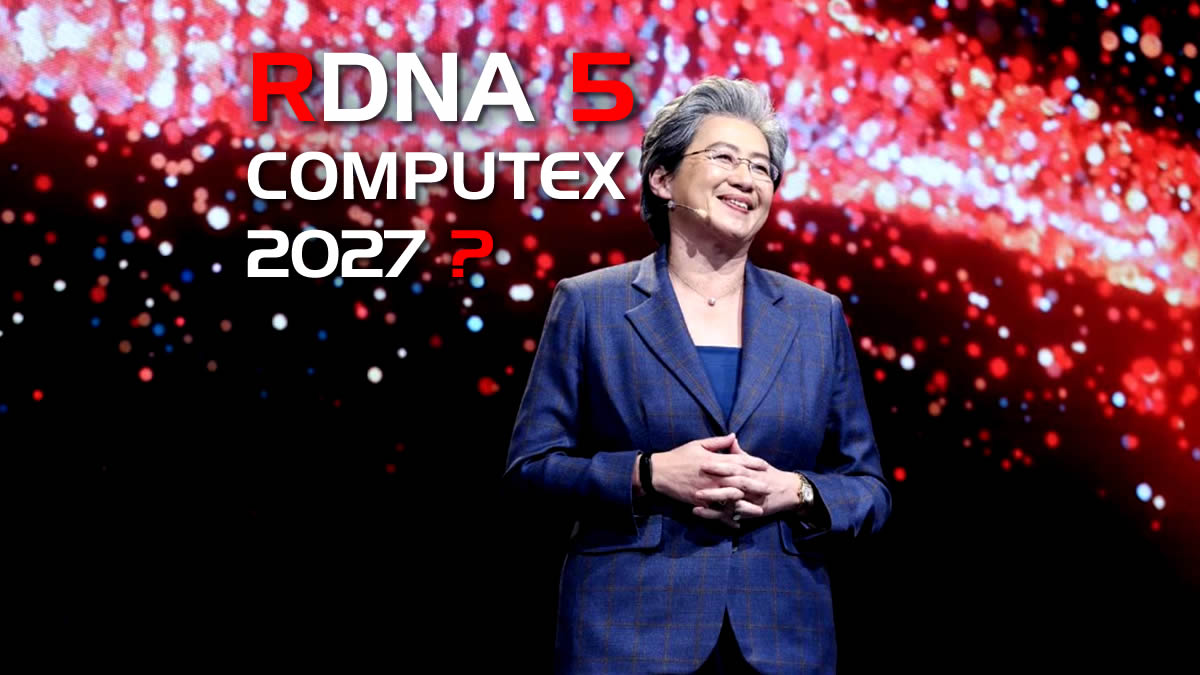
AMD’s next-generation RDNA 5 GPU architecture is expected in 2027, both in new PC gaming GPUs and next-gen consoles. According to Kelper_L2, a renowned hardware leaker, PC gamers should not expect AMD to release RDNA 5 gaming products in early 2027. At the earliest, AMD could unveil RDNA 5 GPUs at Computex 2027, though a full hardware launch is expected later in 2027.
If recent rumours are true, AMD plans to release RDNA 5 GPUs based on its “AT2” silicon in 2027. Other RDNA 5 products are also expected to launch in 2028. AMD’s AT2 GPU will reportedly power a successor to AMD’s RDNA 4-based RX 9070 XT GPU and will be used inside Microsoft’s Xbox “Project Helix” console.
In the short-to-medium term, AMD is unlikely to be releasing any new graphics cards. That means AMD’s RX 9070 XT could remain its gaming flagship until at least Summer 2027.

(Kepler_L2 on the Anandtech Forums)
Right now, AMD’s product roadmap is likely in flux. The ongoing memory crisis and AI boom make it hard to launch new consumer-oriented products. Delivering strong value for money is difficult when memory prices are more than 4x what they were a year ago. Right now, it is hard to know what the PC market will be like this time next year. Things could be worse than they are today. AI demand could also slump, which could affect memory prices.
Could the AI bubble impact AMD’s RDNA 5 launch?
With high fuel costs and rising memory/hardware prices, the profitability of AI datacenters has become increasingly questionable. Power concerns and other factors have also made AI datacenter construction slower than expected. It has been alleged that Microsoft has $50-100 billion in GPUs sitting in warehouses (via Ed Zitron). If Microsoft is struggling to build and power new datacenters, everyone is. Hundreds of billions in GPUs and memory could be sitting uninstalled in warehouses. If that is true, the AI market has the potential to grind to a halt if/when hyperscalers halt or scale back their AI spending.
What does this have to do with RDNA 5? If AI GPU demand collapses, there is a chance for memory availability to increase and memory prices could fall. This could let AMD release RDNA 5 GPUs at lower prices, or simply produce more gaming-oriented hardware than would otherwise be possible. If things continue as they are, AMD may struggle to secure enough memory to produce enough RDNA 5 GPUs for launch. This is especially true if Microsoft and Sony start manufacturing next-generation consoles and compete for the same stocks of GDDR7 memory.
The future of the PC market is unpredictable. While next-generation hardware is in development, it remains to be seen how expensive or readily available it will be. The ongoing memory shortage has already made current-generation hardware expensive. Those same problems will apply to next-generation hardware. This is especially true if this new hardware features more memory than its predecessors.
Join the discussion on AMD’s RDNA 5 GPU launch plans on the OC3D Forums.