


AMD jumps several nodes ahead with its “N2P” Zen 6 CPUs

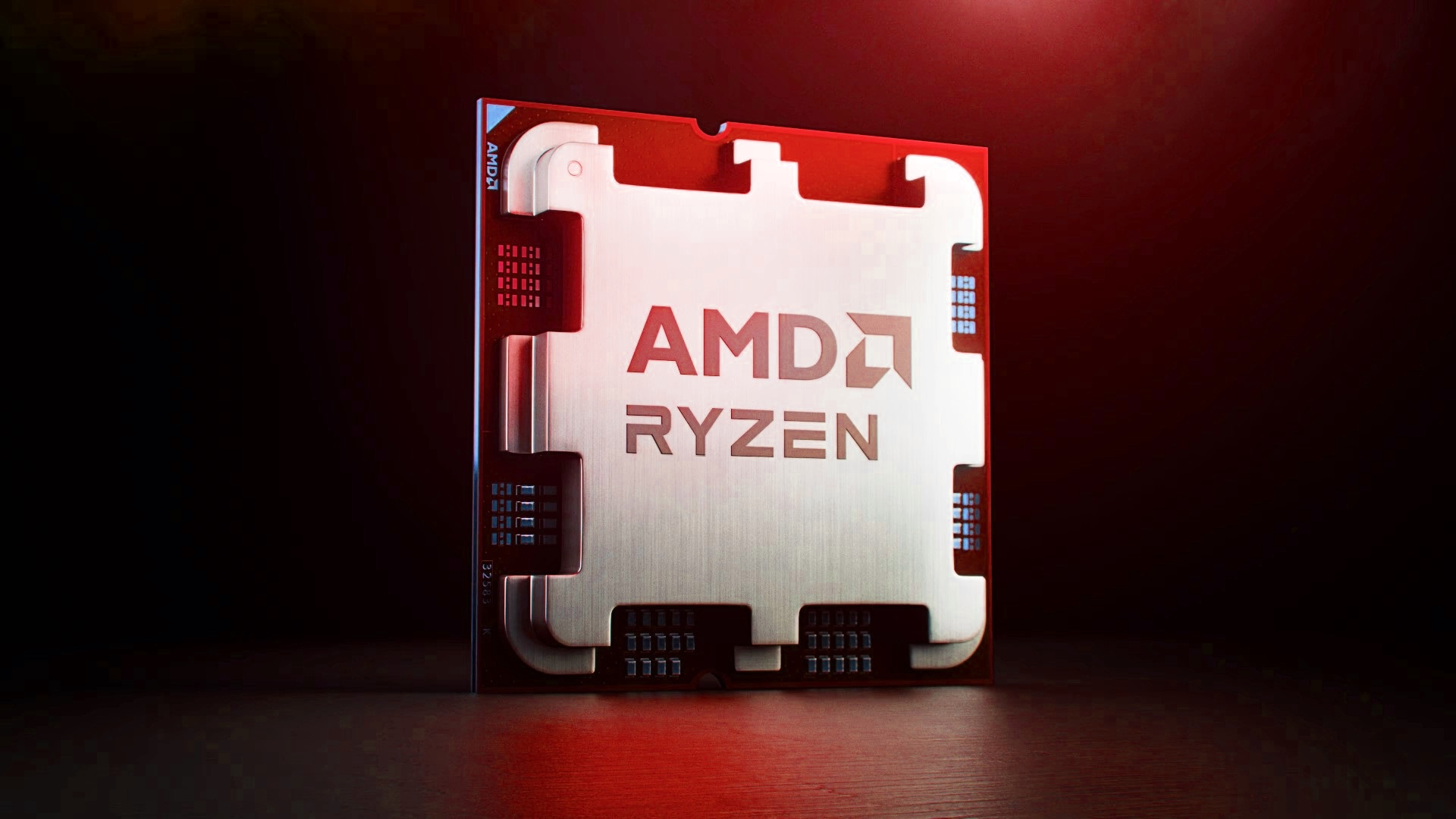
AMD will jump several nodes ahead with its Zen 6 Ryzen and EPYC CPUs
According to the leaker Kepler_L2, AMD plans to use the most advanced lithography nodes available to craft its next-generation Zen 6 CPUs. Today’s Zen 5 Ryzen CPUs use TSMC’s N4 (4nm) lithography node. With Zen 6, AMD plans to use TSMC’s N2P (2nm) node, skipping TSMC’s N3 (3nm) node.
With its next-generation I/O Dies, AMD plans to jump from TSMC’s N6 node to N3P. This means that AMD’s next-generation CPUs will leverage several node transitions to achieve a significantly larger-than-normal generational performance leap. Instead of benefitting from a single node shrink, AMD is jumping several generations ahead. For its CPU CCDs, AMD is jumping from TSMC N4 to N2P, skipping N3. With its I/O Dies, AMD is jumping from N6 to N3, skipping N5 and N4. Furthermore, AMD plans to use TSMC’s performance-optimised P-series nodes. Instead of N2 and N3, AMD is using N2P and N3P.
Why these node jumps matter
Newer lithography nodes provide several benefits to chip manufacturers. For starters, they offer users increased silicon density. This enables users to pack more transistors into a given area, allowing manufacturers to create more complex and efficient chip designs. Next, newer nodes can be used to create more efficient chips. Chips can either utilise these changes to achieve higher performance levels without consuming more power, or maintain similar performance levels with a significantly lower power draw. Either way, chips built using newer nodes tend to be more efficient. Finally, newer nodes can be used to help achieve higher clock speeds on new chips, assuming they are well-designed.
There are rumours that AMD’s Zen 6 CPUs could reach 7 GHz clock speeds. These higher clock speeds will be achieved thanks to AMD’s use of TSMC’s most advanced lithography nodes and their improved Zen 6 CPU core designs.

(AMD Zen 6 Node prediction – Kepler_L2)
Gamers expect great things from Zen 6 and N2P
This leak also further validates claims that AMD is moving from 8-core Zen 5 CCDs to 12-core Zen 6 CCDs. This means that AMD’s new CPU chiplets will feature more cores and more L3 cache. With more L3 cache per CCD, gamers should expect increased per-CCD gaming performance, even without clock speed enhancements. Add on increased CPU clock speeds and Zen 6’s architectural improvements, and it’s easy to see why expectations are high for Zen 6.
AMD’s largest generational leaps were achieved when the company improved its caching structures and increased its per-CCX/CCD cache sizes. Zen 2 CPUs offered 2x as much cache per CCX as Zen 1. Zen 3 merged the two 4-core CCXs in its CCDs, unifying their L3 caches. This change gave each CPU core direct access to a cache pool that’s 2x larger. With its X3D series CPUs, AMD gave its CPU cores access to a L3 cache that’s 3x larger than normal. With Zen 6, AMD is once again increasing the size of its L3 cache by adding more cores to each CCX/CCD. That’s a clear win for AMD, and a clear win for gamers.
You can join the discussion on AMD’s N2P Zen 6 CPUs on the OC3D Forums.