


ASUS ROG boosts OLED longevity with new tech at Computex

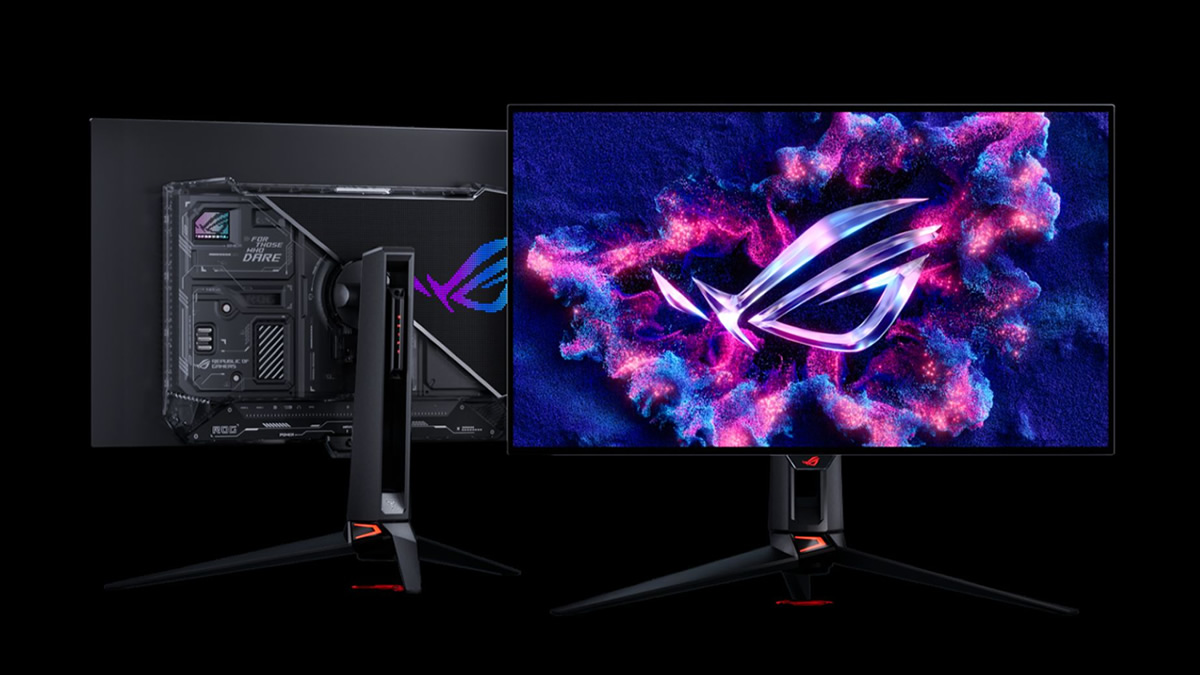
ASUS invests in new monitor PSU tech to boost OLED monitor longevity
Team ROG is thinking outside of the box at Computex 2026. ASUS’ ROG team has been winning the battle against OLED burn-in, achieving greater longevity with custom monitor enhancements. Yes, using newer OLED panels has significantly reduced burn-in risks, but ASUS has taken several steps beyond that.
For starters, ASUS has upgraded its Neo Proximity Sensor technology, which automatically turns off your screen when users aren’t detected. This reduces pixel wear. ASUS’ new version offers users more customisability options, including an “Auto Away Timer” and motion sensitivity adjustments. This feature reduces monitor wear when you’re away from your system. Your monitor will no longer slowly wear out when you’re away making a cup of tea. Marvelous!
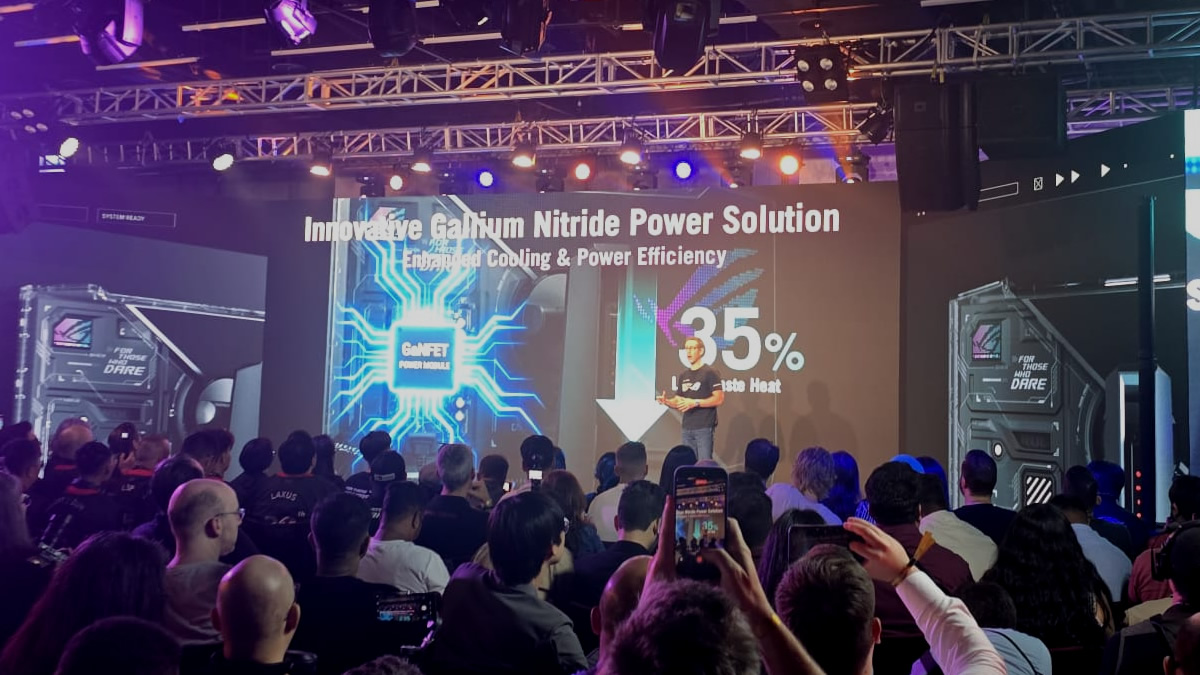
ASUS’ next change is a little weirder. Using a new Gallium Nitride power supply, ASUS has shrunk the PSUs inside their monitors and greatly reduced their heat output. This reduces OLED screen temperatures by reducing the size of a heat source elsewhere in the system. This change will allow ASUS’ OLED screens to run cooler, reducing wear and burn-in potential.
ASUS’ ROG Swift OLED PG27UCWM, PG32UCWM, and Strix OLED XG259QWPG Ace all utilise the company’s new GaNFET power supplies to reduce heat output and boost OLED longevity. This change reduces heat output by 35% at the hottest point in the system, and results in a 10% reduction in monitor vent temperatures.
This change reduces heat inside ASUS’ newest ROG OLED screens, increasing screen longevity and reducing burn-in risk.
For improved OLED longevity and burn-in protection, enhanced OLED Care Pro features the upgraded Neo Proximity sensor with five adjustable motion sensitivity levels for more precise detection, and 1–15 minute Auto Away Timer. The new ROG Swift OLED PG27UCWM, PG32UCWM, and Strix OLED XG259QWPG Ace also feature GaNFET in its power supply design to optimize heat dissipation. The result is nearly 35% less waste heat at the hottest point in the system, and a 10% drop in vent temperature, achieving a longer OLED lifespan, and zero compromises on performance.
– ASUS ROG
With these extra ROG features, OLED users can rest assured that burn-in isn’t the problem that it once was. Modern OLED screens are much less prone to burn-in than their predecessors. Add on some smart features, and burn-in practically becomes a non-issue, especially for gamers who use their screens for highly varied content.
You can join the discussion on ASUS’ OLED-boosting technological advancements on the OC3D Forums.