


Samsung shifts NAND production to DRAM amid shortages of both

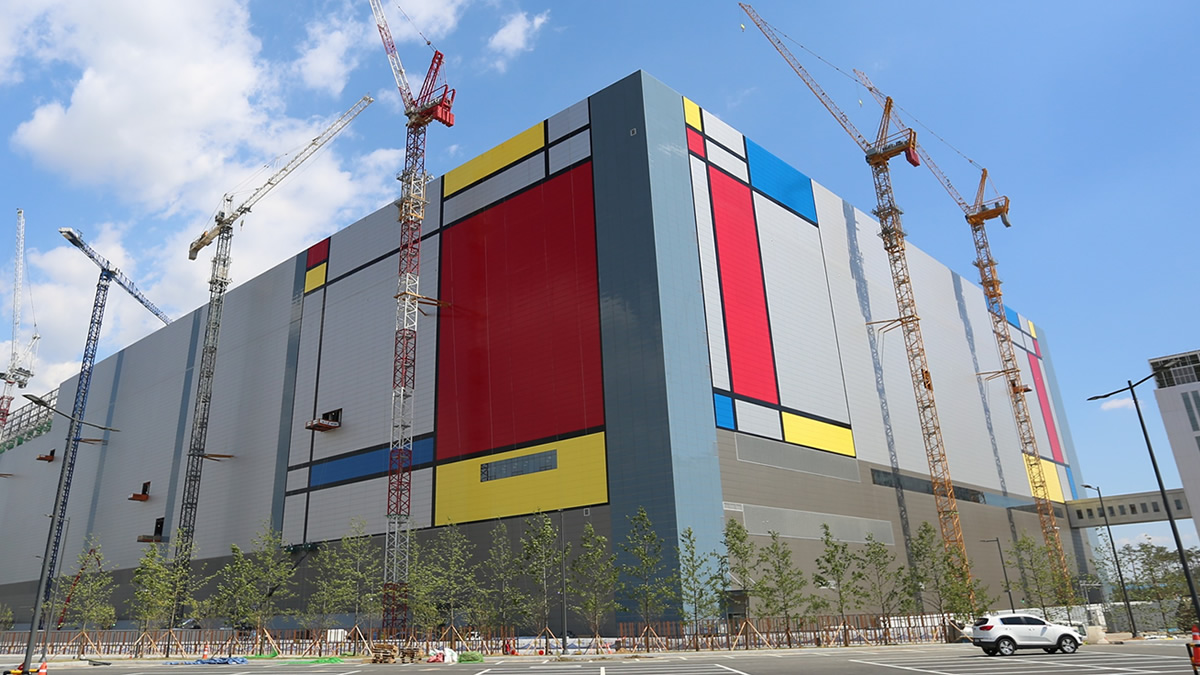
Is Samsung making the NAND shortage worse?
Samsung Electronics has reportedly begun converting some of its NAND production lines to DRAM production at its Pyeongtaek and Hwaseong campuses. This move follows a significant increase in DRAM prices, as rampant AI data centre expansion has created a global memory shortage.
For consumers, the price of standard DDR5 memory kits has doubled over the past month. That said, high AI demand has also created a NAND shortage, with Phison’s CEO claiming that 1-terabit TLC NAND chips have doubled in price since July. NAND pricing has not increased as rapidly as DRAM pricing, giving Samsung an incentive to reallocate NAND production resources despite today’s NAND shortages.
Yes, Samsung reallocating its production resources will make NAND shortages worse. Reducing NAND production during a shortage is sure to raise NAND prices. While extra DRAM production is welcome, it is hard to see this move as anything other than flagrant profiteering. Samsung will benefit from higher DRAM sales, and rising NAND prices will make its NAND sales more profitable. That’s a win-win for Samsung, but a problem for NAND customers.
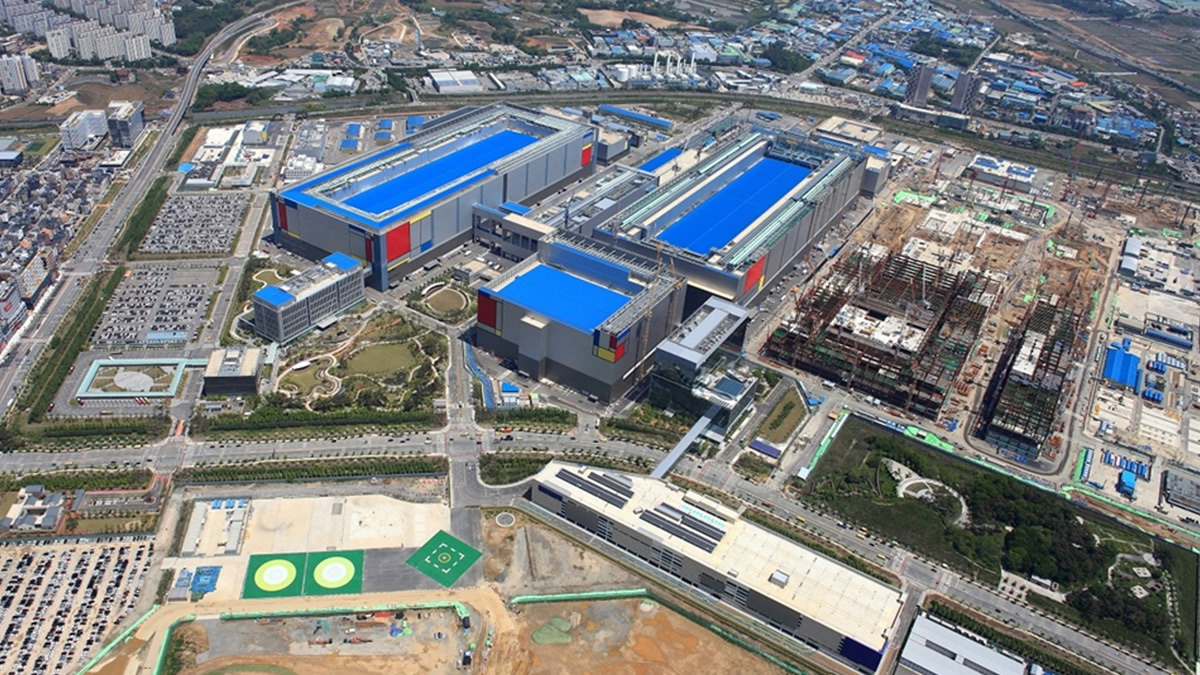
(Samsung’s Pyeongtaek Campus)
Samsung’s move comes less than two weeks after SanDisk reportedly raised its NAND prices by 50%. Samsung is cutting the production of a product that is facing shortages. While this is a savvy move for Samsung, it is hard to see this move as a win for anyone else. Systems that need DRAM also need NAND-based storage. SSD prices are already rising, and we can expect storage costs to keep rising as AI demand continues to wreak havoc on the world’s semiconductor supply chains.
You can join the discussion on Samsung shifting NAND production to DRAM on the OC3D Forums.