


SanDisk hikes NAND prices 50% as memory shortage hits “profiteering” phase

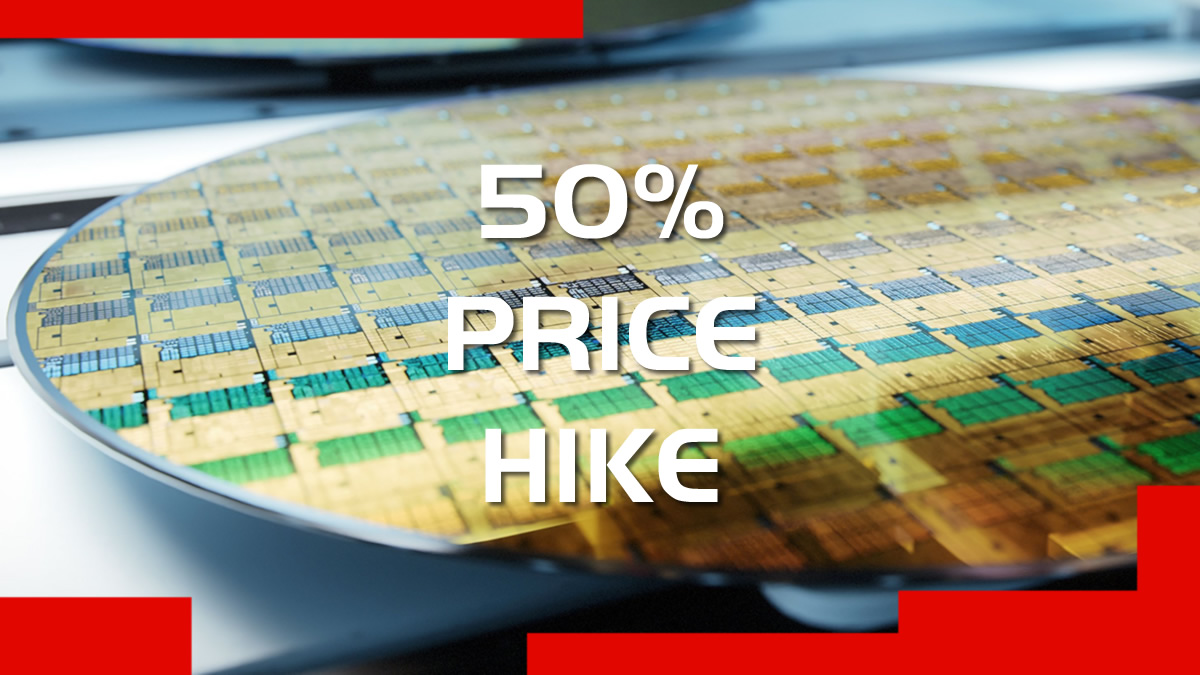
SanDisk’s NAND price hike will see SSD prices surge
SanDisk has reportedly raised its NAND prices by 50%, with intense demand from AI customers causing a significant shortage of memory. Last week, we discussed how the DRAM market has been affected by this. Now, it’s clear that NAND flash is also seeing massive price increases.
With NAND pricing rising, PC gamers can expect to see the price of SSDs, laptops, and other PCs increase. It has been claimed that SanDisk’s pricing adjustments have caused knock-on effects across the PC manufacturing industry. Manufacturers such as Apacer, Transcent, and Innodisk have reportedly suspended quoting and deliveries. These manufacturers expect pricing to continue to rise.
SanDisk’s share price has increased by over 100% over the past month. Demand for memory of all types has skyrocketed due to the growing demand for AI data centres. AI is consuming every spare piece of memory available in the semiconductor market. This had led to shortages and price increases.
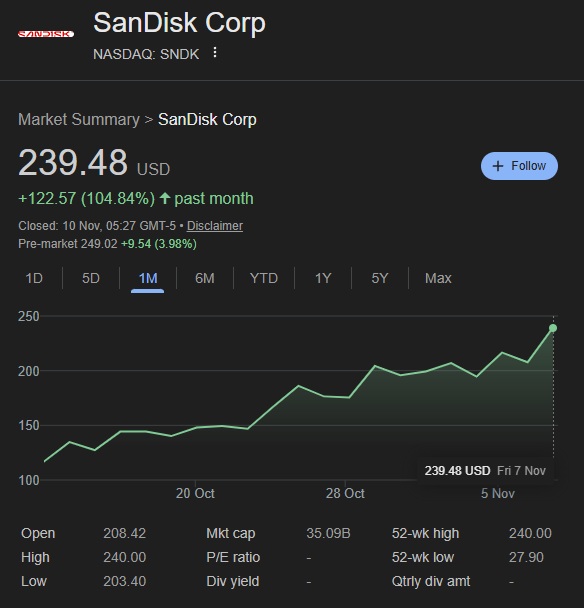
(SanDisk’s share price has increased by 104% over the past month)
SanDisk hiking NAND prices by 50% is nothing short of profiteering
Every major NAND and memory producer must have known that a spike in demand was coming. If they didn’t, they must he bad at their jobs. AI spending is rising, and that means new data centres filled with storage and memory of all types. Adding Microsoft’s end of Windows 10 support, we also have a wave of forced PC and laptop upgrades to contend with.
The memory market is a commodity market, and NAND and DRAM manufacturers are skilled at capitalising on the tech industry’s boom and bust cycles. When a spike in demand occurs, prices rise and profitability soars. While some of SanDisk’s 50% price hike will be allocated to spending on new memory fabs, most of it will be pure profit.
Simply put, you don’t get crazy profits by preparing for increases in memory demand ahead of time. If you produce enough memory to prevent a shortage, prices remain stable. Memory producers are for-profit enterprises, and it’s more profitable to wait for DRAM and NAND prices to spike before doing anything to increase supply. That way, they can ride the money train all the way to the bank. In the meantime, customers are forced to pay higher prices for products. If that sounds exploitative, it’s because it is.
You can join the discussion on SanDisk’s memory price hike on the OC3D Forums.