


Samsung Mass Producing their 2nd Gen. 14nm FinFET Process


Samsung Mass Producing their 2nd Gen. 14nm FinFET Process
Samsung has started Mass Producing their 2nd Gen. 14nm FinFET Process, offering 15% higher performance and 15% less power consumption than their original 14nm LPE process.
Samsung are expecting the first products that will be using this process to launch in the first half of this year, staerting with Sasmung’s own Exynos 8 Octa Core processor and Qualcomm’s Snapdragon 820 processor.
“We are pleased to start production of our industry-leading, 2nd generation 14 nm FinFET process technology that delivers the highest level of performance and power efficiency,” said Charlie Bae, Executive Vice President of Sales & Marketing, System LSI Business, Samsung Electronics. “Samsung will continue to offer derivative processes of its advanced 14 nm FinFET technology to maintain our technology leadership.”
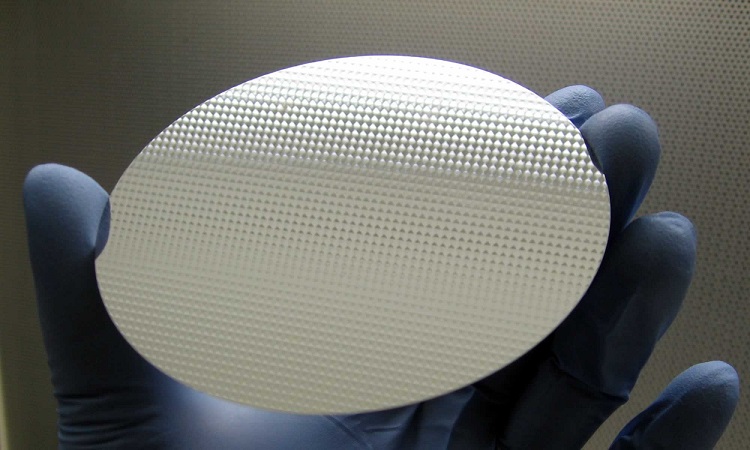
Moving from Samsung’s LPE (Low Power Early) 14nm FinFET Process to their new 14nm FinFET LPP (Low Power Plus) process will allow Samsung’s 14nm process to be much more usable for larger and more power hungry chips like CPUs and GPUs, which could potentially give Samsung a lot of business in the future if AMD or Nvidia decide to adopt the process in the future.
You can join the discussion on Samsung starting mass production on their 2nd generation 14nm Low Power Plus process on the OC3D Forums.
Samsung has started Mass Producing their 2nd Gen. 14nm FinFET Process. https://t.co/iTeGfY2n24 pic.twitter.com/XHp8beqNPg
— OC3D (@OC3D) January 14, 2016