

AMD RX470 – ASUS Strix and Sapphire Nitro Review

Up Close
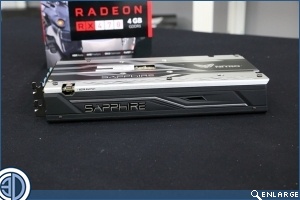
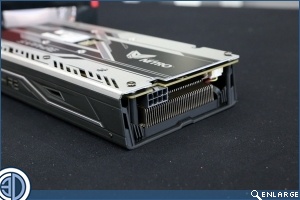
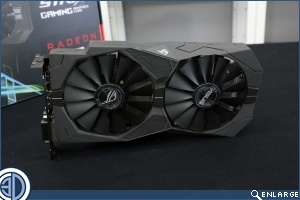
Both ASUS and Sapphire have taken very different approaches with their cards. ASUS follow the Strix mantra of something that resembles F117s or even F35s. They’ve also used a six pin power input. Sapphire by comparison have gone for an “all ninety degree angles, all the time” approach. However a keen eye will spot they’ve also endowed the Nitro with an eight pin PCIe power input.
ASUS Strix
Regular readers of our reviews here at OC3D will be familiar with the ASUS Strix range. It’s quickly established itself as one of the premium brands around, whether it’s a price/performance thing or just the looks of their DirectCU III cooler. The RX 470 Strix is obviously cut down when compared to the nVidia and other Radeon cards we’ve seen under the Strix banner, but it’s still a good looking card.
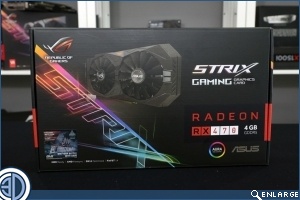
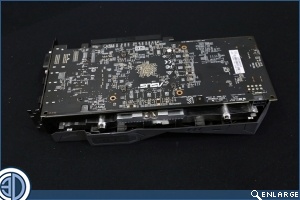
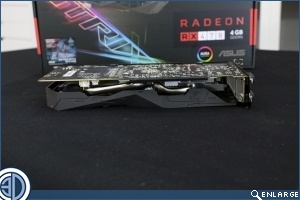
We weren’t expecting to find a backplate at this price point, and sure enough the Strix is old school in its baring of the solder points and smooth heatpipes.
Sapphire Nitro
So many graphics cards have angles and swoops and cutouts that we really like the rectangular looks of the Nitro. It’s purposeful. Exactly as big as the IO part of the graphics card and no bigger. Sapphire have utilised every available bit of space to give the best cooling performance.
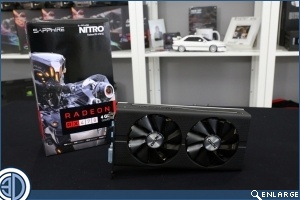
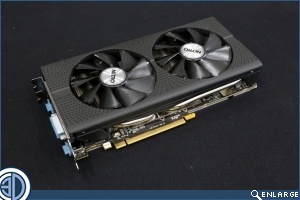
Having just said we didn’t expect a backplate at this price and Sapphire come along and metaphorically bop us on the nose with a newspaper. The Nitro looks fantastic. Really seriously good. It might be affordable but that doesn’t mean that there are any concessions to looks.