


Sapphire RX 9070 GRE Pulse Review

Introduction and Technical Specifications
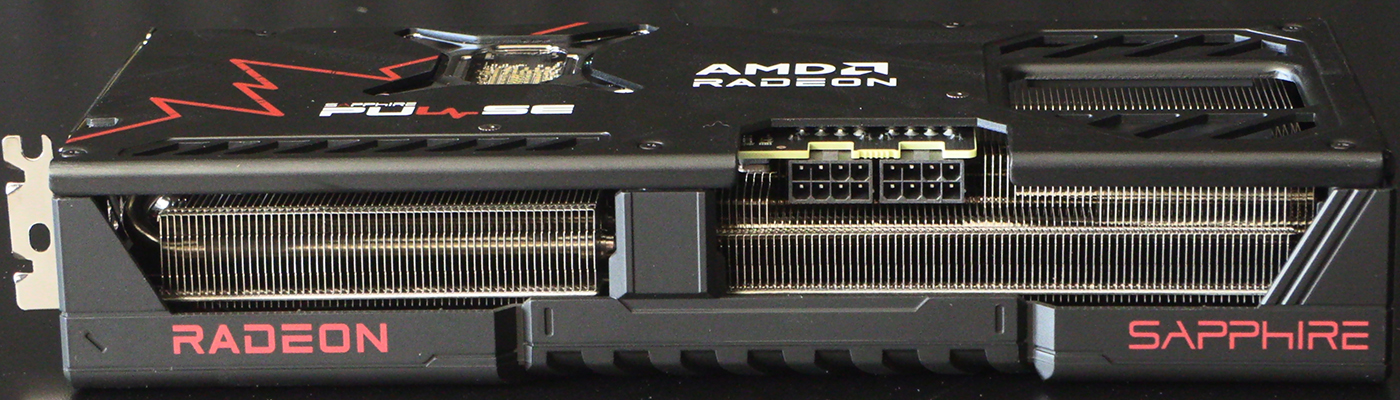
Introduction
AMD Radeon cards really have the ‘affordable’ end of the market sewn up. As if AMDs dominance from their X3D Ryzen processors wasn’t enough, they aim graphics cards squarely at non-4K gamers. Obviously there is the RX 9070 XT which has the 4K stuff under its belt. But this is the new RX 9070 GRE. Here in Sapphire Pulse finery. A card that was only available in the East for the longest time.
It’s a card squarely aimed at 1440P gamers. This, we feel, is the sweet spot. It means those gaming at the, still hugely popular, 1080P resolution can turn up anything and everything and get high frame rates. Those who have a 1440P monitor can enjoy pretty much anything, whilst those who don’t mind slightly tuning their settings, or even just playing less demanding titles, have 4K at their fingertips.
There can be a tendency if you buy the beefiest card you can to feel you’re not maximising its potential. Or, if you are, that your energy bill is beyond your means. By going for the juicy middle slice of the gaming sandwich, the bit that falls under a bell curve, AMD have targeted the RX 9070 GRE at people with some budget but not unlimited, who are enthusiastic gamers without being obsessed. As we work with someone who has 35 games in their “over 100 hours” Steam library, and six in their “over 1000”, we understand obsession.
Where AMD are spot on is aiming at the enthusiasts. People who know what card they have. People who know what FSR does. Fortunately AMD also understand the importance of pricing, with the GRE cards starting at $549. Given recent DIMM pricing it’s almost like 12GB of RAM with a free GPU attached. Let’s take a look.
Technical Specifications
| RDNA 4 Compute Units | 48 |
| Hardware RT Accelerators | 48 |
| Hardware AI Accelerators | 96 |
| Peak AI TOPS | 1097 |
| Boost Clock | 2.79 GHz |
| Video Memory | 12GB |
| Board Power | 220W |
| Connectivity | PCIe 5.0 x16 |
| Display Support | DisplayPort 2.1a and HDMI 2.1b |