


Nvidia shifting to LPDDR memory will destroy the consumer tech market

Nvidia’s shift to LPDDR memory will have a catastrophic impact on the consumer electronics market
It’s undeniable that Nvidia has been hugely successful in recent years, thanks to its investments in AI, making it the most valuable company on Earth. Now, Nvidia is said to be responsible for a trend that is set to ravage the consumer electronics market, with their move to LPDDR memory modules destroying its supply chains.
According to Counterpoint researchers, memory pricing is expected to more than double by mid-2026. The next two quarters are expected to see memory prices increase 50% from current levels, which are already massively inflated.
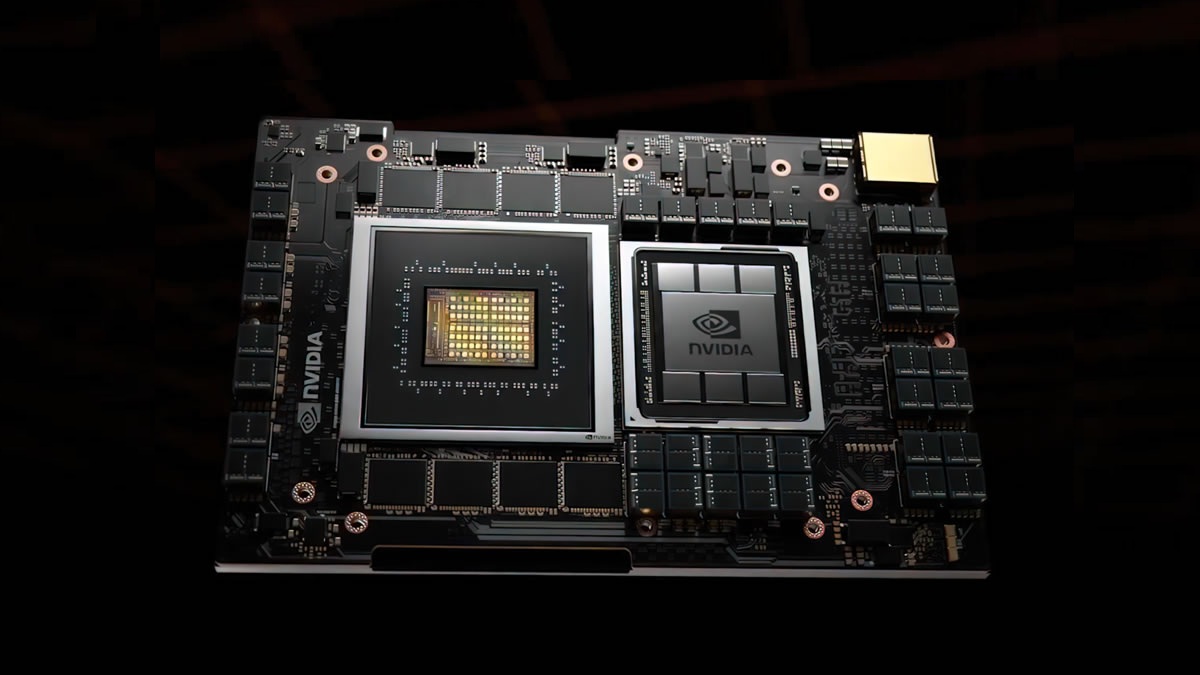
Nvidia has recently moved to using LPDDR memory chips in its server CPUs, a memory type that is typically used for smartphones, tablets, laptops, and other mobile devices. Nvidia sees LPDDR5X’s power efficiency as a benefit over traditional DDR5 memory, but it places huge demands on a section of the memory market that is not prepared for “rapid AI server rollout” levels of memory demand. Note that gaming devices like the ROG Xbox Ally, Steam Deck, and many gaming laptops use LPDDR memory.
The LPDDR memory market is not prepared for Nvidia-scale demand
Counterpoint sees Nvidia’s growing use of LPDDR memory as a seismic shift for the memory supply chain. A high-end smartphone will have 12GB of LPDDR memory. A single LPDDR5X SOCAMM module can feature 192GB of memory. Each Nvidia server will use many of these LPDDR SOCAMM modules.
Nvidia’s demand for LPDDR memory will set a level of demand that the industry is not equipped to handle. This will cause rapid price increases and impact all companies that use LPDDR memory modules.
While Nvidia will see its use of LPDDR memory as a savvy move, it spells trouble for consumers. Nvidia can avoid DDR5 memory and utilise a memory type that was in less demand. Consumers will see the price of new devices soar.
The bigger risk on the horizon is with advanced memory as NVIDIA’s recent pivot to LPDDR means it is a customer on the scale of a major smartphone maker — a seismic shift for the supply chain which can’t easily absorb this scale of demand.
– Counterpoint
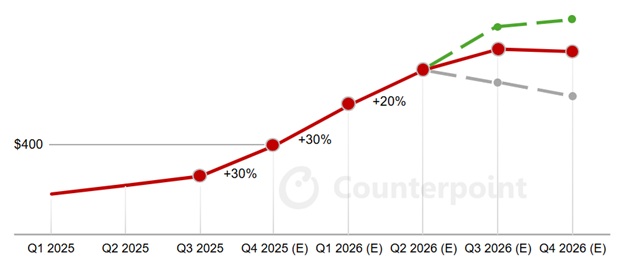
(Memory pricing is expected to increase 50% from current levels by the end of Q2 2026 – chart from Counterpoint)
If Nvidia cares, where is their investment in memory production?
As someone who covers consumer electronics and gaming, it is hard to see the growth of AI and its memory consumption as anything less than catastrophic for the industry. Memory shortages lead to higher prices, and recent years have already seen consumer electronics become increasingly expensive.
Nvidia’s demand for memory is strangling the markets that built the company. Nvidia has an effective monopoly on the laptop GPU market, and rising LPDDR prices will see the cost of those devices soar. Overall, AI memory demand will see the price of all gaming PCs soar. The core markets that built Nvidia are now being strangled by it. It leads us to question if gamers matter to Nvidia anymore. There are also rumours that growing memory demand has impacted GDDR memory pricing, which will directly increase the cost of gaming products.
Recently, Nvidia has invested billions into Antropic, Intel, OpenAI, and other companies as part of its growing AI ambitions. If Nvidia cared about the consumer market, where is the investment into memory production? If memory is essential to Nvidia, and gamers are important to Nvidia, why not invest in memory production? Why weren’t there deals with SK Hynix, Samsung, and Micron to construct new memory fabs when they knew how their memory demand would impact the market?
Does Nvidia care about gamers anymore?
The simple answer is that nobody cares anymore. Everyone is profit-focused. Memory manufacturers are laughing their way to the bank as their profits from memory sales rise. These profits come thanks to a shortage that they could have, and should have prepared for. Sadly, preparing for a shortage means you could profit less from that shortage. Shortages are good for business if you are the one supplying the product that everyone wants.
In 2020, Nvidia started earning more from datacenters than it did from gamers. Since then, Nvidia has been focused on AI growth. Even their gaming products are focused on how AI can be utilised, much to the annoyance of many PC gamers. While AI features like DLSS Super Resolution and Frame Generation are good for gamers, it is easy to see why many feel Nvidia is no longer focused on gamers.
The demand for AI hardware is insane, and consumers will suffer as a result. While Nvidia isn’t the only AI company, it’s the biggest player. They are largely responsible for today’s market conditions. The company that once delighted gamers with every new hardware release is now the one making the entire consumer electronics market suffer.
The memory market is not expected to recover anytime soon. High AI demand will see memory demand outstrip supply for the foreseeable future. Expensive memory is bad for consumers and bad for gamers. This is all because of AI profit-chasing.
You can join the discussion on Nvidia’s destructive impact on the consumer electronics market on the OC3D Forums.