


First DRAM, now NAND – Nvidia and SK Hynix target NAND with “AI SSD” plans

After eating the world’s DRAM, Nvidia’s next target is NAND
SK Hynix has reportedly formalised an agreement with Nvidia to develop next-generation “AI SSD” products. With new “High Bandwidth Flash” (HBF) storage, Nvidia and SK Hynix aim to deliver SSDs with 100 million IOPS in 2027. What’s worse is that Nvidia doesn’t just want SK Hynix’s NAND.
Nvidia reportedly made a similar agreement with Kioxia earlier this year, aiming to create SSD hardware that can deliver over 100 million IOPS (Input Output per Second) of performance. If this is true, Nvidia doesn’t just want SK Hynix’s memory; it wants memory from all suppliers it can source. Given the memory requirements of AI superscalers, this makes sense for Nvidia. However, it will have a dramatic impact on the world’s supply of NAND memory. This could dramatically raise prices, making things worse for normal PC users.
An interesting solution to a big AI problem
One of the biggest problems facing AI hardware is memory constraints. AI hardware needs access to a lot of memory, but there are limits to how much HBM memory Nvidia and its rivals can fit on a GPU. Nvidia doesn’t want its hardware to be limited by HBM memory, and that means that they need a new form of fast memory that they can utilise.
Typically, server DRAM is used to provide AI servers with more memory. However, this solution is both energy-intensive and cost-intensive. This is especially true now that AI hardware demand has caused DRAM prices to skyrocket. SSD storage is another solution, though standard SSD storage is too slow to meet the high bandwidth demands of AI hardware.
Nvidia has tasked the SSD industry with creating new NAND solutions and SSD controllers that can deliver high levels of capacity and throughput. Nvidia wants AI SSDs that can expand the memory pools available to its AI hardware without major disadvantages. In other words, Nvidia wants AI to gobble up the world’s NAND supply.
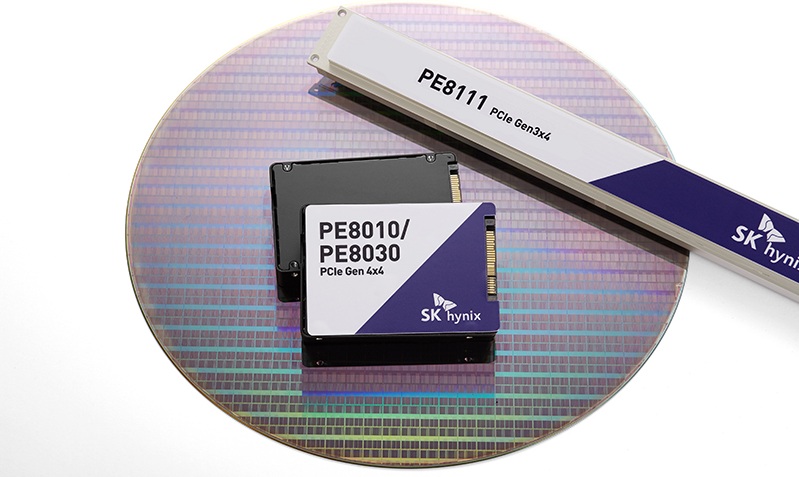
(SK Hynix is one of the world’s largest NAND producers)
This project could be disastrous for consumers
NAND pricing has already increased sharply due to AI datacenter buildouts. For now, NAND price increases have not been as sharp as DRAM price increases, as the demand for DRAM is much higher than the demand for NAND. If Nvidia and its partners successfully develop “AI SSD” products, demand for NAND flash will surge, potentially making the NAND market more like today’s DRAM market. This will increase the costs of SSDs, memory cards, and all the devices that use them.
AI superscalers have already eaten the world’s DRAM supply. Soon, they will come for NAND in full force. SK Hynix reportedly plans to have an AI SSD prototype ready by the end of 2026. If that is the case, it may only be a matter of time before NAND pricing becomes just as messed up as DRAM pricing. If that happens, it could destroy the consumer PC market.
You can join the discussion on Nvidia’s rumoured AI SSD plans on the OC3D Forums.