

Assassin’s Creed Black Flag Resynced PC Performance Review

Assassin’s Creed: Black Flag Resynced PC Tested
Assassin’s Creed Black Flag Resynced has arrived, but is it better than the original?
Ubisoft has given us early access to Assassin’s Creed Black Flag Resynced for testing, their remake of 2013’s Assassin’s Creed 4: Black Flag. The game is a from-the-ground-up remake of the original, with almost no code from the game’s original incarnation. The game uses Ubisoft’s latest incarnation of their Anvil Engine, which means this remake has the same technological underpinnings as Assassin’s Creed Shadows (see our PC review here).
Combat has been refined, graphics have been improved, the game’s story has been refined, and new content is now available. In pretty much every respect, Assassin’s Creed Black Flag has been improved with Resynced. That said, does the game’s new PC version run well? That’s what this review is all about.
Does it stutter?
Shader compilation stutter and traversal stutters have plagued many modern PC releases. That’s especially true if a game runs on Unreal Engine 5. Thankfully, Ubisoft has done a great job with Assassin’s Creed Black Flag Resynced. Overall, the game runs without major stutters, and the game’s shader precompilation step completes quickly when the game first boots. During gameplay, PC gamers can expect an almost stutter-free experience. If you play the game with the right graphical settings, you should have a smooth experience.
In this review, we will test Assassin’s Creed: Black Flag Resynced’s PC version on a wide range of GPUs. We will also be testing the game’s VRAM usage, graphical settings, and supported upscalers in depth. So please go to the appropriate page in this review to see that data.

GPU Drivers
When testing Assassin’s Creed: Black Flag Resynced’s PC version, we used the latest Nvidia and AMD GPU drivers available at the time of testing. These drivers were AMD Software 26.6.4 and Nvidia’s GeForce 610.74 driver for Windows 10/11.
Test Setup – OC3D’s Gaming Test Rig
Thanks to Corsair, Intel, and ASUS, we have built a new testing system that will allow us to properly test new graphics cards and the newest PC game releases. This system features Intel’s i9-13900K processor and a ROG Strix Z790-F Gaming motherboard, with all other components coming from Corsair.
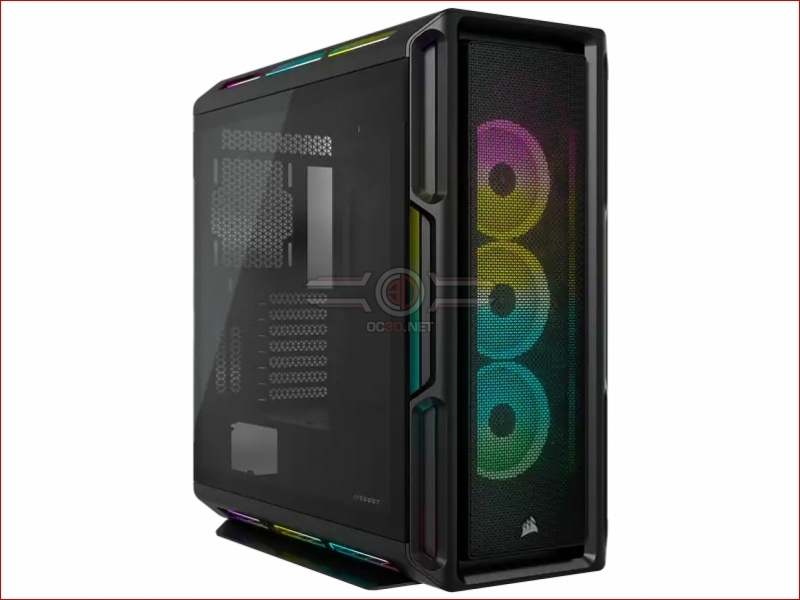
Our new test system is powered, cooled, and operated using Corsair components. The OS we will be using is Windows 11, and the case we will be using is Corsair’s airflow-optimised iCUE 5000T.
System Specs
Below are the full specifications of our new GPU/Games testing system and links to all the components we used.
OC3D GPU/Games Test System Specifications (Affiliate Links below)
CPU – Intel i9-13900K
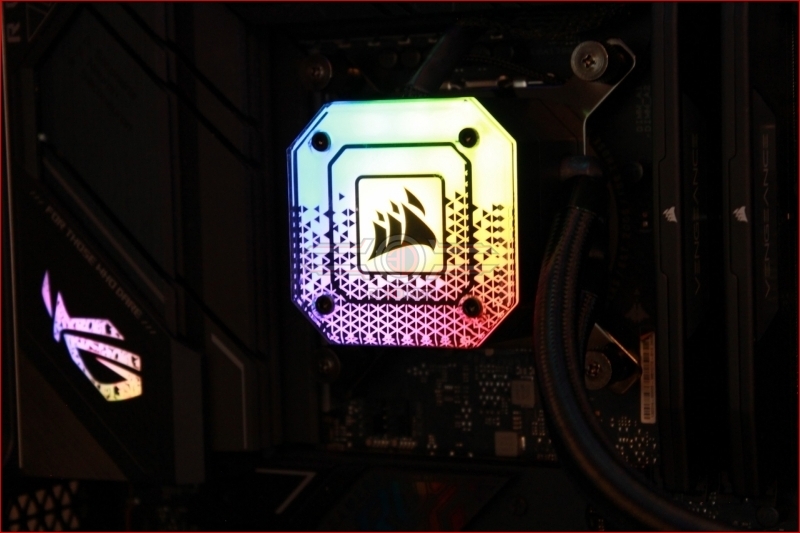
Cooling – Corsair iCUE H150i Elite CAPELLIX XT
Motherboard – ASUS ROG Strix Z790-F Gaming WiFi
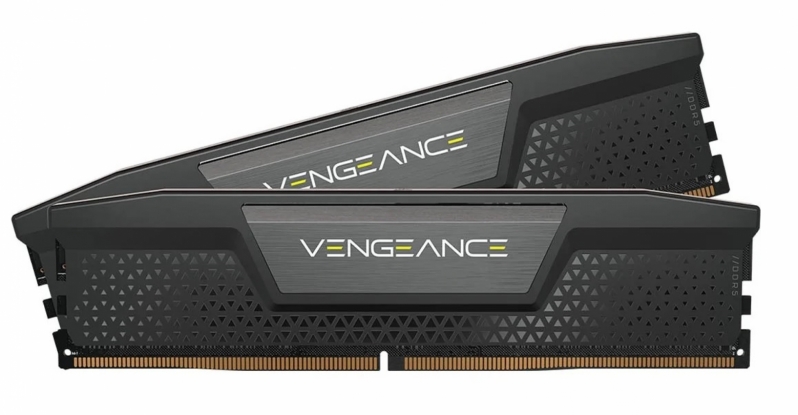
Memory – Corsair Vengeance 2x16GB (32GB) DDR5-6000 CL36 Memory
Storage – Corsair MP600 PRO NH 2TB PCIe 4.0 SSD
Case – Corsair iCUE 5000T RGB
Power Supply – Corsair HX1500i
OS – Windows 11
Nvidia GPUs Tested
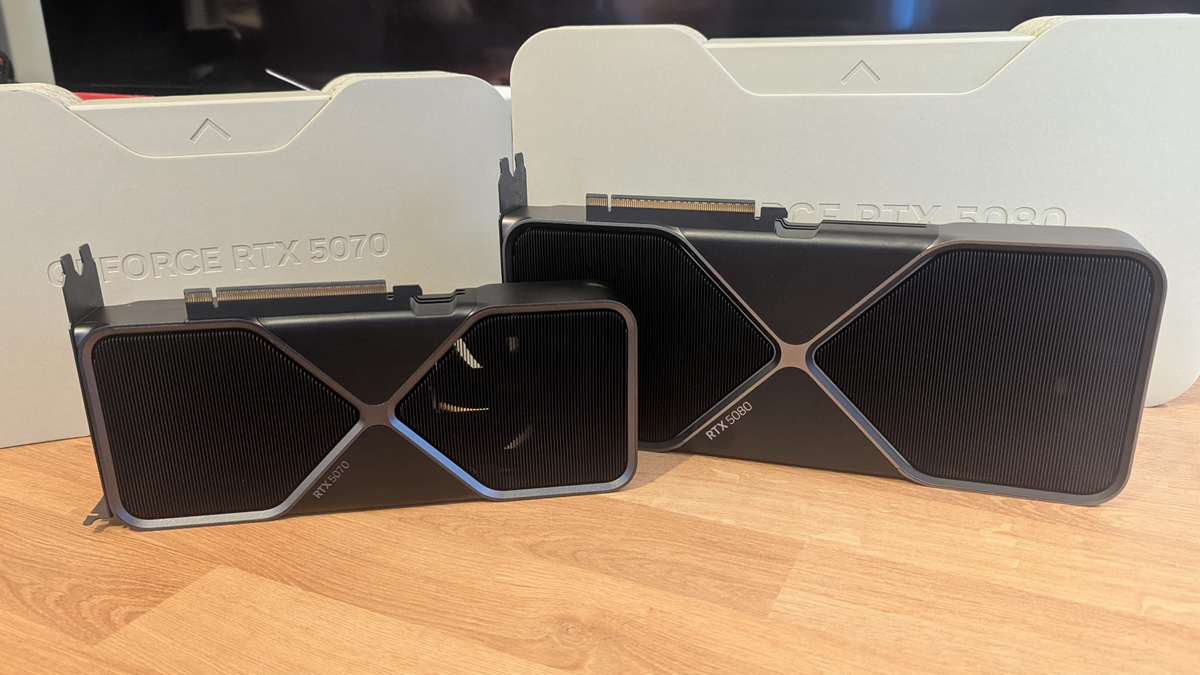
When testing new games, we like to use a large number of graphics cards to see how well titles run on both old and new PC hardware configurations. To do this, we use a large selection of AMD and Nvidia graphics cards, including GPUs Nvidia’s RTX 50 series, RTX 40 series, RTX 30 series, and RTX 20 series.
- Nvidia GeForceRTX 5080 FE
- Nvidia GeForce RTX 5070 FE
- Gigabyte GeForce RTX 4070 Ti Gaming
- Gigabyte GeForce RTX 4070 WindForce
- Gigabyte GeForce RTX 3070 Ti Eagle
- Gigabyte GeForce RTX 3060 Ti Eagle
- Nvidia GeForce RTX 2070 SUPER Founders Edition
AMD GPUs Tested
On the Radeon side of the GPU spectrum, we can test the following GPUs. Our testing includes data from AMD’s RX 9000 series (RDNA 4), RX 7000 series (RDNA 3), and RX 6000 series (RDNA 2).
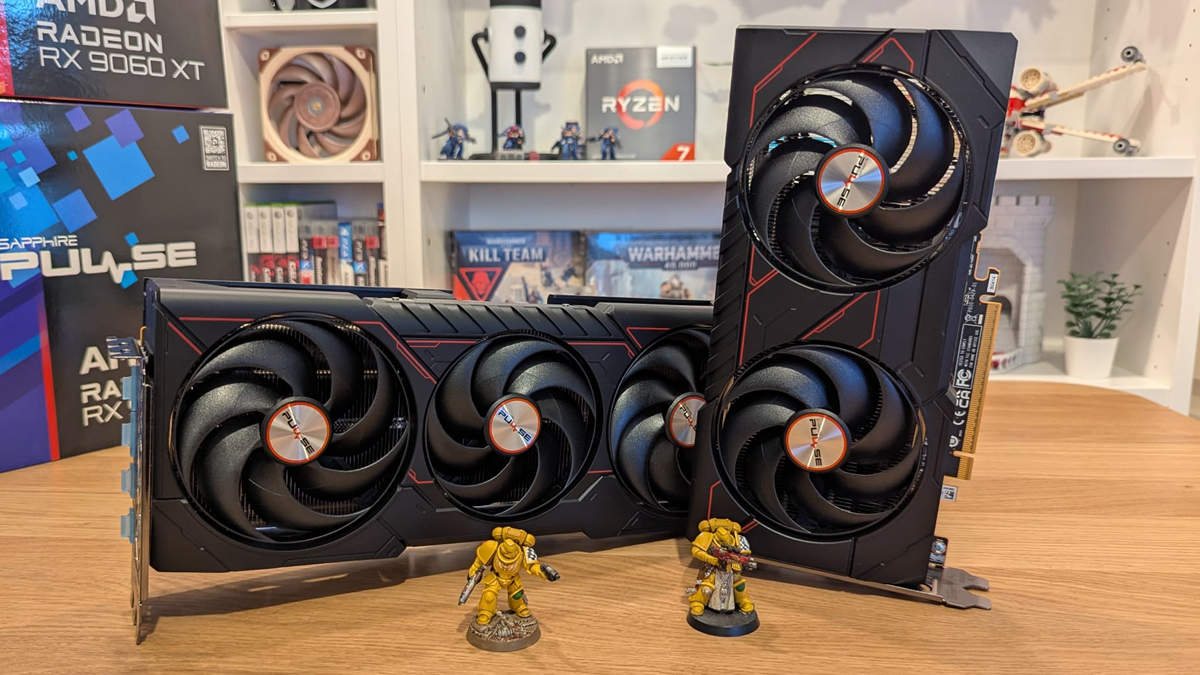
- Sapphire RX 9070 XT Pulse
- Sapphire RX 9060 XT Pulse
- Radeon RX 7900 XT
- Radeon RX 6800 XT
- Radeon RX 6700 XT
- ASUS ROG Radeon RX 6600 XT Strix