


Rejoice – Microsoft promises major Windows 11 memory efficiency improvements

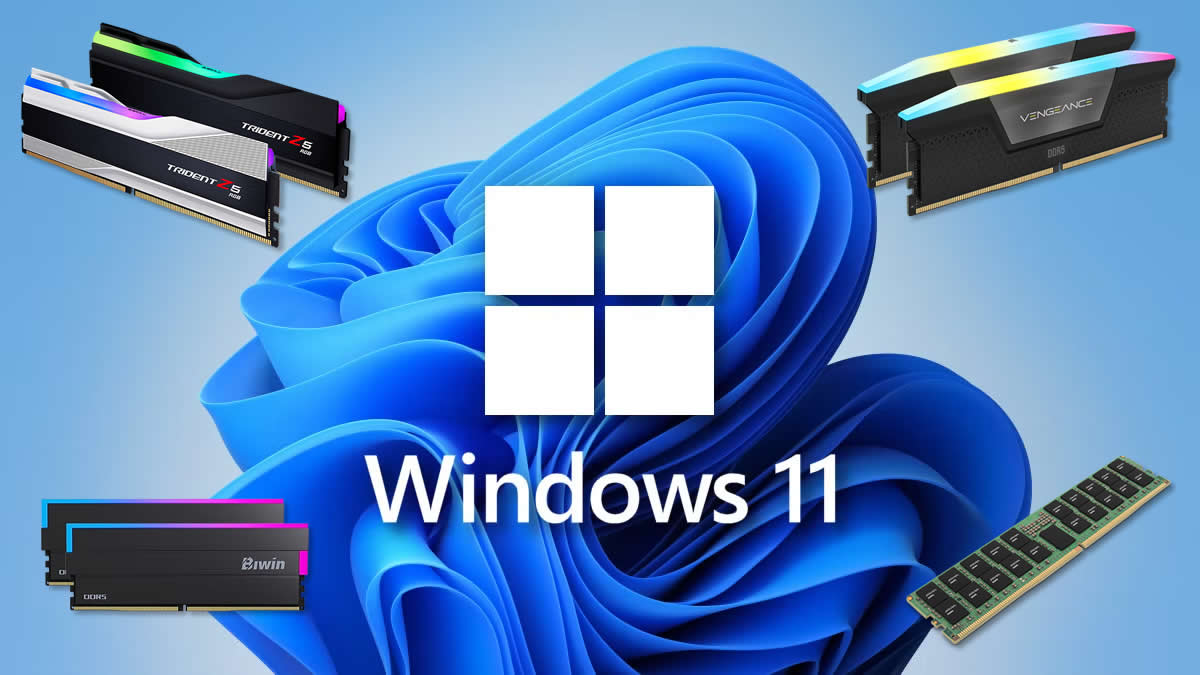
Microsoft promises to make 8GB Windows laptops usable again
It may not surprise anyone to read this, but I’m my family’s tech guy. If anyone is buying a laptop, I’m usually asked a few questions. I’m also the guy that would normally upgrade the memory configurations of cheaper laptops to make them a little more usable. After all, Windows 11 isn’t known for its memory efficiency. Thankfully, this is something that will soon change.
Microsoft’s Pavan Davuluri, Microsoft’s head of Windows, has committed to improving the quality of Windows. This year, Microsoft has already delivered some significant improvements to Windows. Now, before the end of 2026, Microsoft plans to deliver a smoother setup experience, significant memory optimisations, and more family options.
Memory matters
With memory becoming increasingly unaffordable (thanks AI…), buying PCs with plenty of RAM isn’t easy. If you want a simple, budget-friendly laptop, you will likely be getting a PC with 8GB of RAM. It wasn’t long ago that I would add an extra DRAM stick to these machines to give my friends/family a notable memory boost. Now, these upgrades are no longer affordable.
Microsoft is now specifically targeting Windows 11’s memory footprint, aiming to make these PCs more viable and performant. That’s great news for everyone, as this should result in performance and efficiency gains for all PC users. No matter how much memory you use, you should be glad that Windows itself will soon be using less of it.
Memory optimization for 8GB and above. Reducing Windows memory footprint to deliver a fast and responsive Windows experience across the PCs customers use every day.
– Microsoft’s Pavan Davuluri
Reduced overhead and improvements to WinUI 3
Microsoft is investing in WinUI 3. Microsoft is writing more of Windows 11’s elements in their native WinUI 3 framework, and they are improving WinUI 3 to use less memory and be less latent. This should help make Windows 11 faster. Not only will Windows 11 run faster, but it will also use fewer system resources. That’s a win win for users.
Alongside all of these areas, we’ve steadily been introducing several improvements to the memory efficiency of Windows, from taking advantage of a more efficient memory allocator to reduce overhead across apps and components, continued tuning of WinUI 3 so that apps built on it use less memory by design, as well as driving efficiencies across Chromium and Webview2 components when they appear in the operating system.
– Microsoft’s Pavan Davuluri
Over time, Microsoft’s improvements to Windows 11 should add up to deliver significant performance gains. In time, Windows 11 should be notably faster, especially for users with memory-constrained system. Hopefully, this means that 8GB laptops will no longer feel sub-optimal, and memory upgrades will feel much less necessary.
We’ve strengthened the fundamentals of WinUI 3 and extended it into more of the Windows shell, including Widgets and the new Run experience, with Autoplay dialog and more File/Folder Properties dialogs coming soon to Windows Insider Preview Experimental builds. And with substantial improvements in memory efficiency and latency, these investments are strengthening the platform foundation needed to accelerate the modernization of Windows 11 and the broader application ecosystem.
– Microsoft’s Pavan Davuluri
Microsoft’s Windows 11 revamp is overdue
Microsoft should have worked on improving Windows memory efficiency long ago, even before the release of Windows 11. For a time, Windows’ slowdown was masked by improvements to PC hardware. SSDs became more common, making mainstream systems seem snappier. Today, Windows’ problems have added up to create an overwhelmingly negative perception of the OS amongst users. There’s a reason why SteamOS is so popular, and why Linux use is growing.
Under Pavan Davuluri, Windows 11 has improved. Microsoft’s “Low Latency Profile” (LLP) feature has made Windows 11’s UI elements snappier. Windows search is improving. Windows’ Widget feed is no longer an ad-filled hellscape. These are major improvements. That said, the list of things that people now hate about Windows is a long one. While the list is getting shorter, it will be a long time before Windows users truly feel the difference. It will be even longer before users will trust Microsoft again. After all, Microsoft is the reason why Windows 11 is a mess to begin with.
With the memory supply crisis deepening, it is good that Microsoft is focusing on memory efficiency. That said, the fact that these changes are necessary is a scathing indictment of how Microsoft has managed Windows over the past decade (or longer). This wouldn’t be a problem if Microsoft focused on its fundamentals instead of gimmicky features, AI, pushing OneDrive and turning everything into a subscription.
You can join the discussion on Microsoft’s plans to boost Windows 11’s memory efficiency on the OC3D Forums.