


Microsoft transforms CPU/GPU cooling “Microfluidic” tech

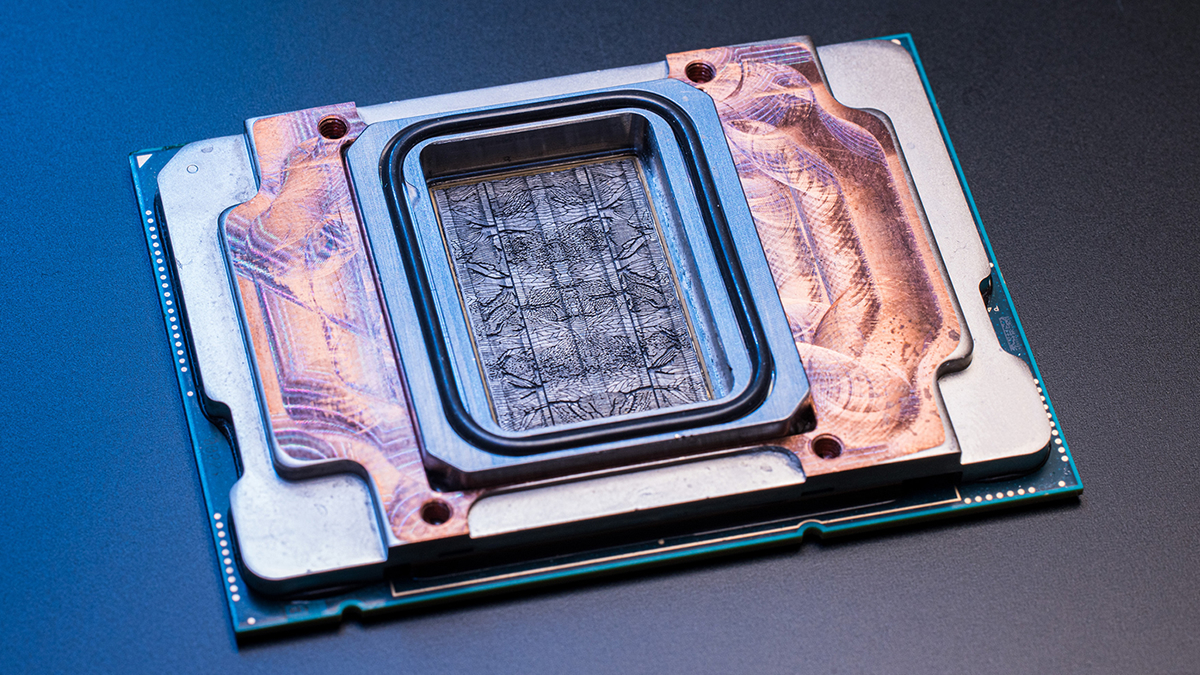
Microsoft makes cooling “up to three times better” with “straight to the silicon” tech
Chip cooling is one of the largest problems facing chipmakers and datacenters. The latest chips, be it for AI or other uses, tend to be denser and more power-hungry than their predecessors. Since chips don’t like to run hot, this presents major cooling challenges to manufacturers. Now, Microsoft believes it has solved this problem with its “microfluidics” cooling technology. By directly cooling their silicon, Microsoft can cool its processors “up to three times better”.
Instead of strapping a standard cooler to their processors, Microsoft has carved tiny channels into the silicon of its processors. This allows coolant to move through these grooves and cool these chips directly. Heat is taken away closer to its source, making cooling up to three times effective than traditional cold plates.
Using Microfluidics, Microsoft reduced the maximum temperature rise of their GPU silicon by 65%. While the effectiveness of this solution will vary on a chip-by-chip basis, it can greatly improve power usage effectiveness, lowering datacenter operating costs. After all, running datacenters isn’t just about powering datacenter hardware. This hardware requires a lot of cooling, and that cooling isn’t cheap.
Microfluidic Cooling could make servers more compact and lower power use
Microsoft believes that thermal limitations could place a ceiling on AI and other chips within “as soon as five years”. The performance of cold plates could become a limiting factor, which is why Microsoft invested in Microfluidic cooling.
Due to its increased effectiveness, Microsoft believes that its Microfluidics tech can make future servers more compact. Furthermore, its increased cooling potential could increase the lifespan of CPUs, GPUs, and other accelerators. That said, moving coolant directly over silicon could present its own challenges.
Microsoft has used AI algorithms to create the channels on its chips, maximising their cooling potential. One has to wonder how well this will work outside of lab conditions. After all, coolant won’t remain pristine forever, and what happens when coolant eventually wears away at a chip’s silicon?

Currently, Microsoft is targeting this technology at datacenters. There are no plans to bring this tech to consumer-grade CPUs. I doubt any CPU or GPU manufacturer would trust consumers with processors that require direct-to-silicon cooling. There’s a reason why all modern CPUs feature an integrated heatspreader (IHS) instead of bare silicon.
You can join the discussion on Microsoft’s Microfluidic cooling technology on the OC3D Forums.