


Intel and Samsung slash OLED laptop battery drain with “SmartPower HDR” tech

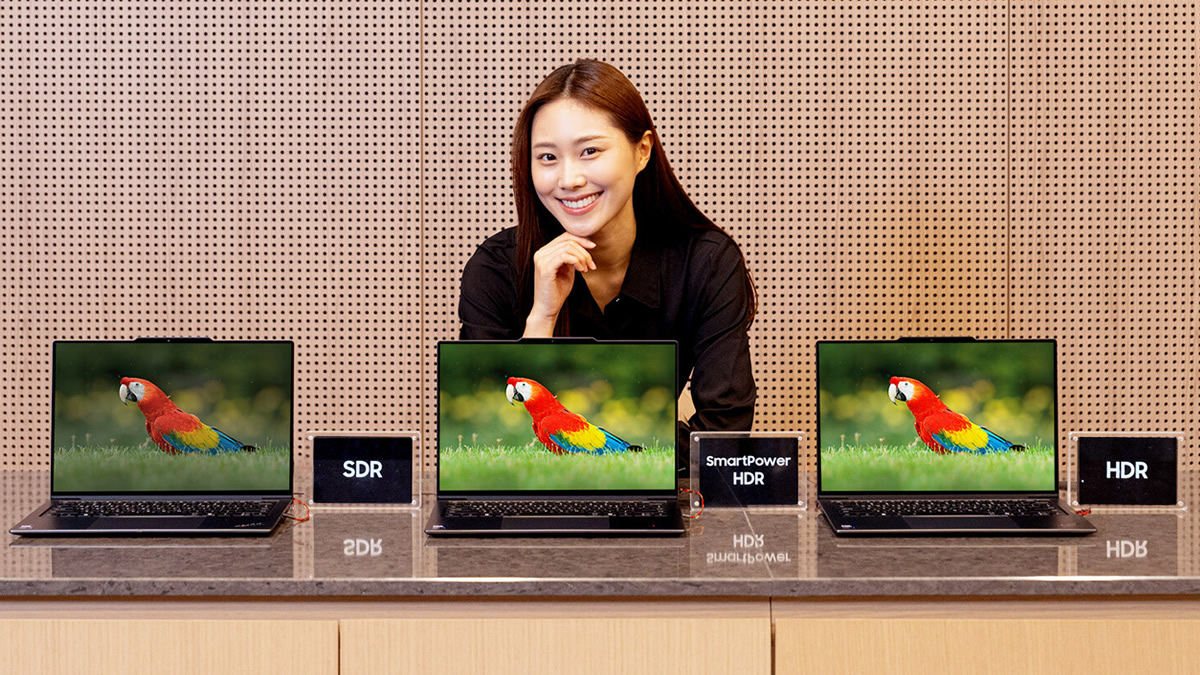
Intel and Samsung plan to boost OLED laptop battery life using “SmartPower HDR” tech
OLED screens are becoming increasingly common in the laptop market, delivering exceptional contrast and vibrant colours to a growing number of consumers. That said, OLED screens have a disadvantage. OLED screens can draw significant power, especially when displaying HDR content. At CES 2026, Samsung and Intel confirmed that they have co-developed a clever solution to this problem called “SmartPower HDR”.
With “SmartPower HDR”, an OLED screen’s emissive power consumption can be reduced by as much as 22% in HDR mode. This can significantly increase the battery life of mobile devices. What’s more impressive is that this technology doesn’t have an impact on image quality, making this technology a pure win for end users.
Intel claims that “Displays account for over half of a laptop’s total power usage”. This means SmartPower HDR can significantly affect a device’s battery life.
Samsung Display and Intel have jointly developed SmartPower HDR, which can reduce OLED’s emissive power consumption by up to 22% in HDR mode on laptops. As AI PCs become more widespread, the new technology is expected to significantly improve battery efficiency and enhance the HDR viewing experience.
– Samsung
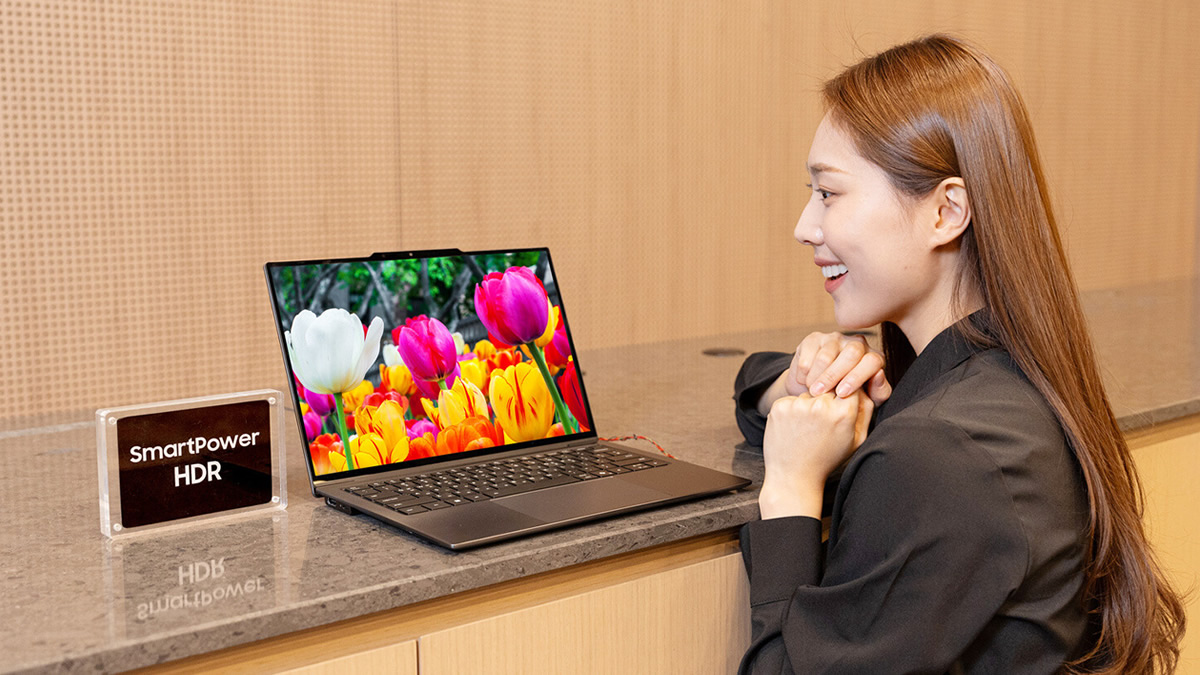
So how does SmartPower HDR work? This technology analyses the peak brightness of each frame in real-time using a laptop’s SOC. This SOC sends data to the OLED screen’s Timing Controller (TCON), which calculates the optimal driving voltage for the screen. By doing this instead of using a fixed voltage, significant power saving can be achieved.
Samsung claims that SmartPower HDR can reduce the power consumption of OLED pixel emissions by 22% in general usage and by up to 17% during HDR content. This is power that can remain in your laptop’s battery, extending its lifespan.
For example, general laptop use cases such as web browsing or document editing can operate at lower voltage levels. In contrast, high-definition content such as games or video playback requires higher brightness and voltage. Traditional HDR modes remain locked at maximum brightness, resulting in excessive power usage even in standard scenarios. As a result, many laptops default to SDR (Standard Dynamic Range) mode despite the color and brightness advantages of HDR.
In comparison, SmartPower HDR reduces the power consumption associated with OLED pixel emission by up to 22% in general usage and by up to 17% during HDR content. Notably, in general usage scenarios, power consumption is comparable to that of SDR mode.
Since signing an MOU with Intel in February 2025, Samsung Display has closely collaborated on the development of this technology. SmartPower HDR is implemented by analyzing the peak brightness of each frame in real time via the laptop’s SoC (System on Chip), which sends this data to the panel’s Timing Controller (TCON). The TCON then calculates the optimal driving voltage based on this data and the On Pixel Ratio (OPR) – the ratio of active pixels on the screen.
– Samsung
You can join the discussion on Intel and Samsung’s “SmartPower HDR” technology on the OC3D Forums.