


Intel hints at XeSS Multi-Frame Generation with its GPU drivers

Multi Frame Generation could be coming soon to Intel GPUs
PC gamers on Reddit have spotted references to XeSS Multi Frame Generation within Intel’s GPU drivers. This confirms that Intel is continuing to develop new GPU technologies and that XeSS 2 will not be the end of XeSS.
While Intel plans to create future CPUs that feature Nvidia graphics chiplets, Intel is not giving up on its own graphics technology. Intel says that its Nvidia offerings will be “complementary” to its ARC/Xe offerings. This means that Intel needs to continue creating compelling GPU technologies, including new versions of XeSS.
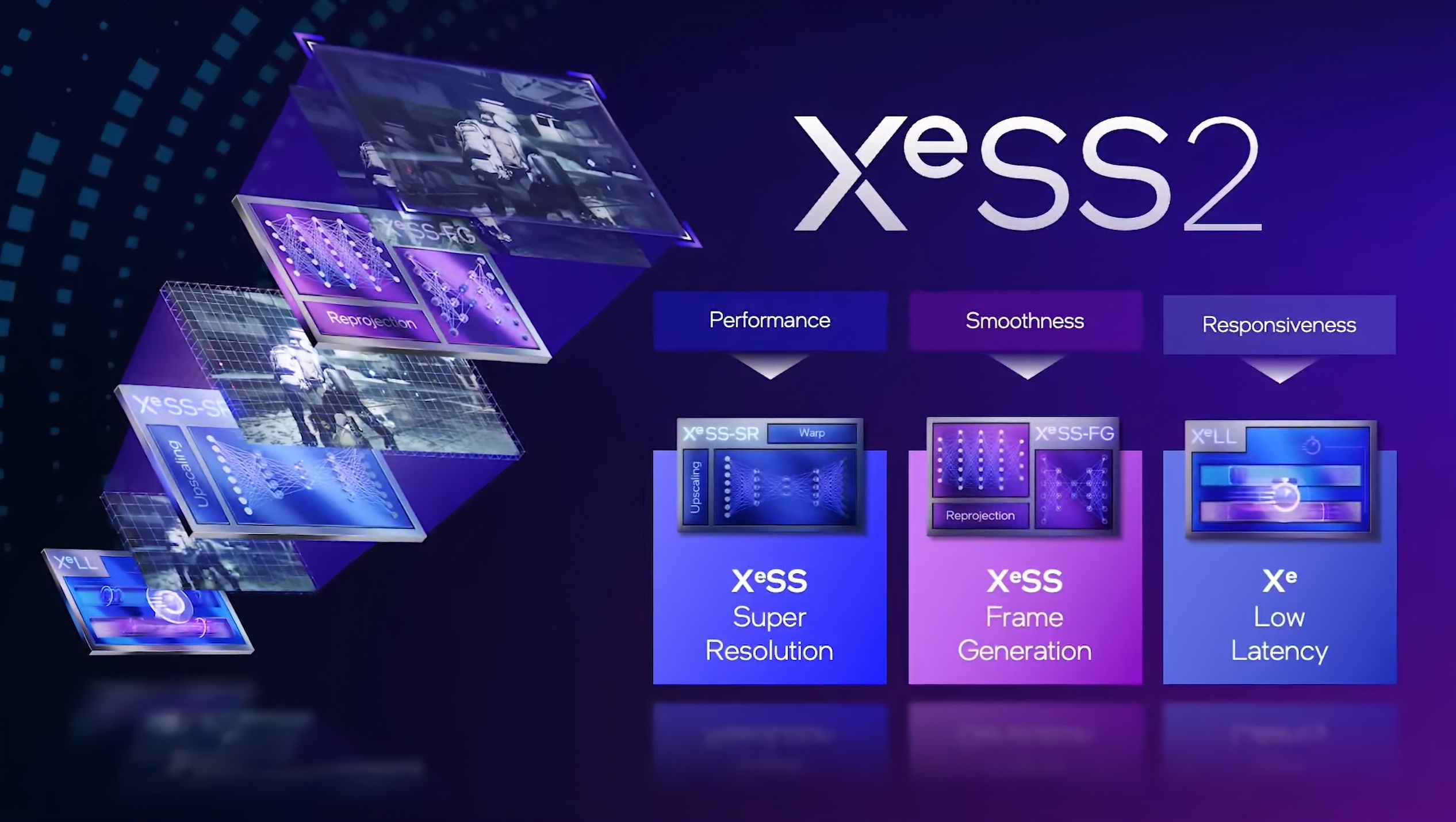
Intel’s XeSS 2 tech includes three core technologies. These are XeSS Super Resolution, XeSS Frame Generation, and XeSS Low Latency. With XeSS 2.1, Intel has allowed all of these features to work on non-Intel GPUs with support for Shader Model 6.4 or newer.
Now, it looks like Intel plans to add Multi-Frame Generation support to its GPUs. This should allow XeSS to create more AI frames between each traditionally rendered frame. If Intel continues to support its Frame Generation technologies on non-Intel GPUs, this feature would bring Multi Frame Generation support to most modern graphics cards.

(XeSS Multi Frame Generation!)
If Intel wants to be taken seriously in the GPU market, it needs to achieve feature parity with Nvidia. That means that Multi-Frame Generation was a necessary feature for Intel moving forward.
Currently, it is unknown when Intel’s multi-frame generation technology will arrive. We expect it to arrive with Intel’s ARC B770 graphics card. After all, new GPU features get more publicity when they are unveiled alongside new graphics cards.
You can join the discussion on Intel adding XeSS Multi-Frame Generation references to its GPU drivers on the OC3D Forums.