Intel is coming for the handheld gaming market, and AMD should be worried

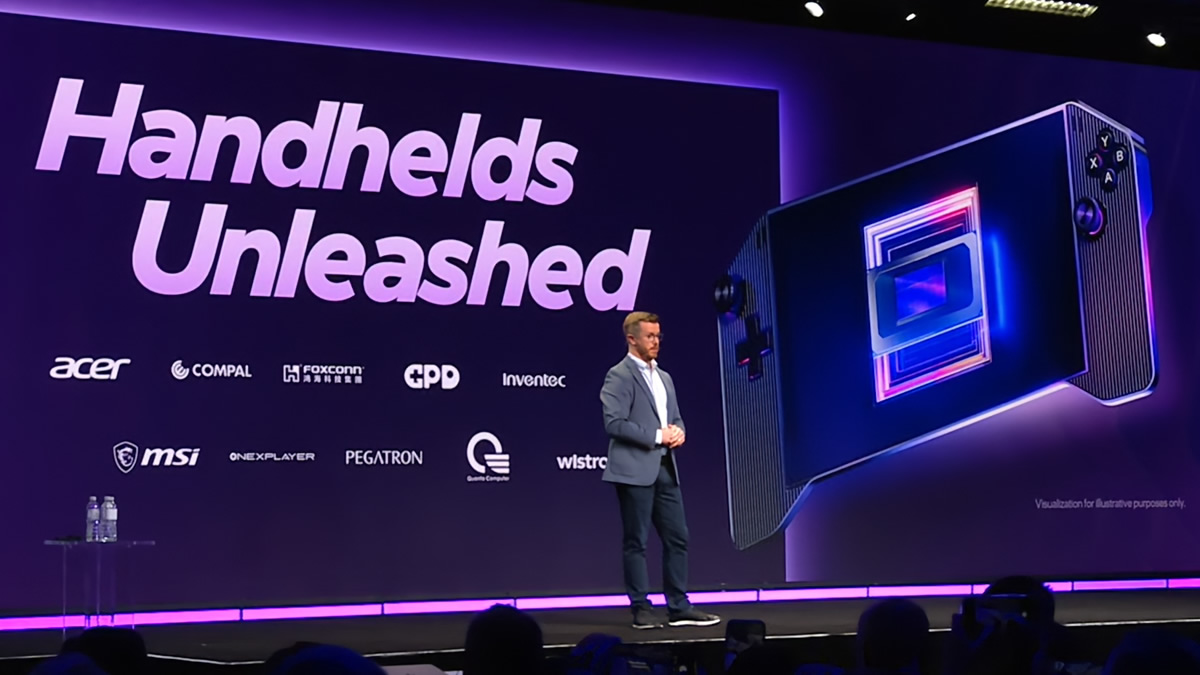
A dedicated Panther Lake handheld gaming platform is coming, and it could be transformative
At CES 2026, Intel confirmed plans to launch a dedicated handheld gaming platform based on its new Core Ultra 3 series “Panther Lake” CPUs. Thanks to the performance gains of Intel’s new ARC B-series integrated graphics solutions, Intel sees an opportunity to take control of this popular niche in the PC gaming market, displacing AMD.
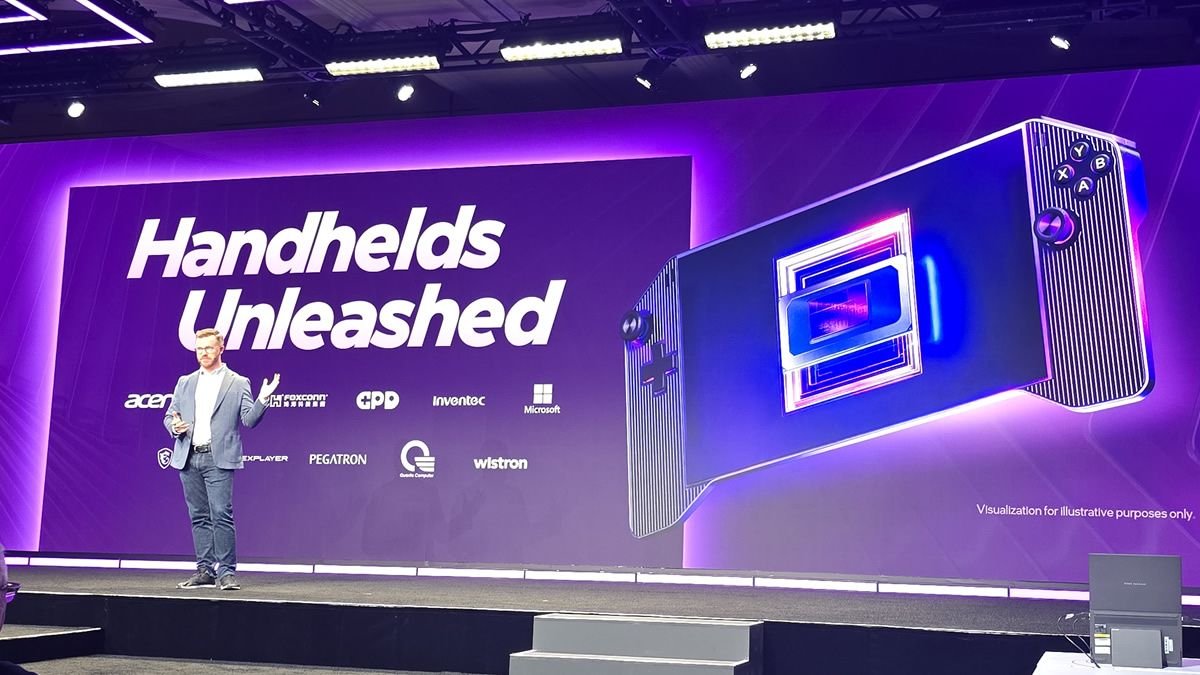
Companies such as Acer, MSI, GPD, OneXPlayer, and others are already collaborating with Intel on new designs. Based on Intel’s statements, it is likely that we will see dedicated Panther Lake chips for gaming handhelds. If that is the case, these chips will be gaming-focused and may feature fewer CPU cores and lack some non-gaming features.
And finally, with the performance of ARC graphics, integrated into a low-power x86 SoC, plus the progress you’ve just seen in software from Intel, it’s natural that we would think even beyond laptops.
So today we’re excited to share with you that we will be launching an entire handheld gaming platform with Panther Lake, and we’ll have more news to share on that from our hardware and software partners later this year.
More performance, and better features than AMD’s handheld gaming SOCs
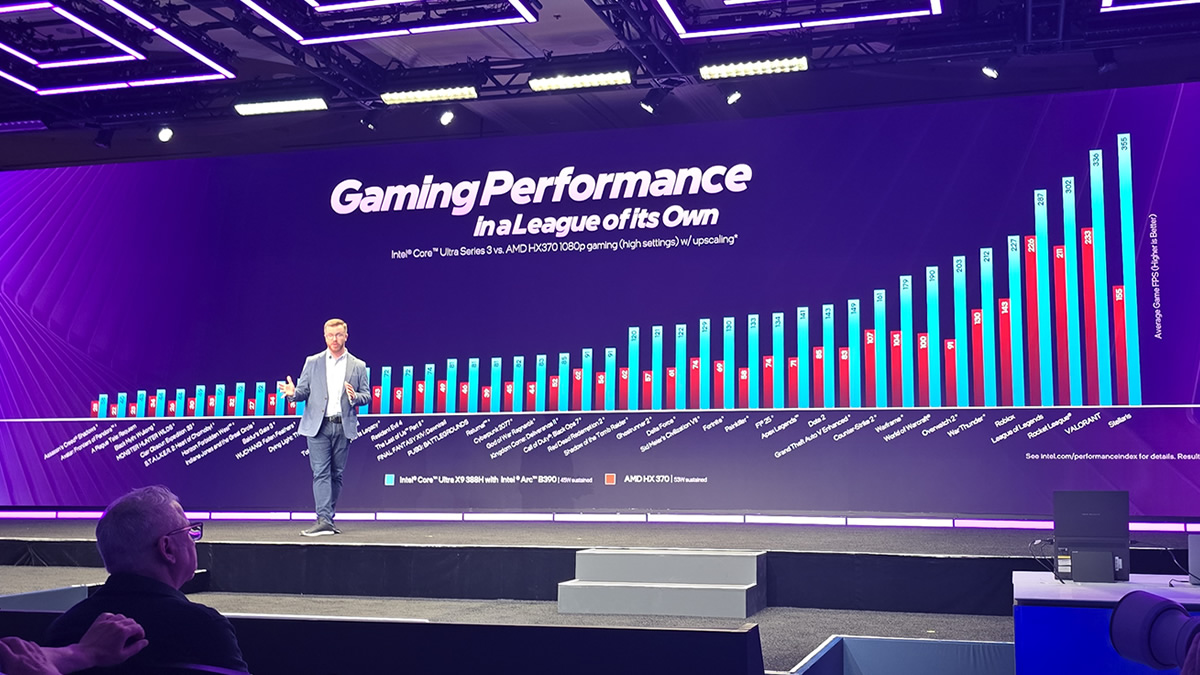
With Intel’s ARC B390 integrated graphics chip, Intel has dominated AMD’s Ryzen AI HX 370 chip. On average, at 1080p High settings with upscaling, Intel’s new GPU was 73% faster. Things only get worse for AMD when we compare the integrated graphics feature sets of Intel and AMD.
With XeSS AI upscaling support, Intel’s new integrated graphics chips have a higher-quality upscaling solution than their AMD counterparts. Additionally, Intel’s XeSS Multi-Frame Generation technology enables the ARC B390 to deliver 4X frame generation. The best AMD can do is FSR 3’s 2x frame generation.
If Intel can deliver a powerful, cost-effective version of its Panther Lake silicon to the handheld PC market, it could dominate this segment of the PC/gaming market. That’s great news for Intel and its long-term ambitions within the PC gaming space. After all, the popularity of ARC products will guarantee continued investment from Intel, and that should see Intel create bigger and better ARC products for future mobile PCs and even desktops.
You can join the discussion on Intel’s handheld gaming plans on the OC3D Forums.