


Nvidia CEO thinks the fact “everything is scarce” is “fantastic” for them

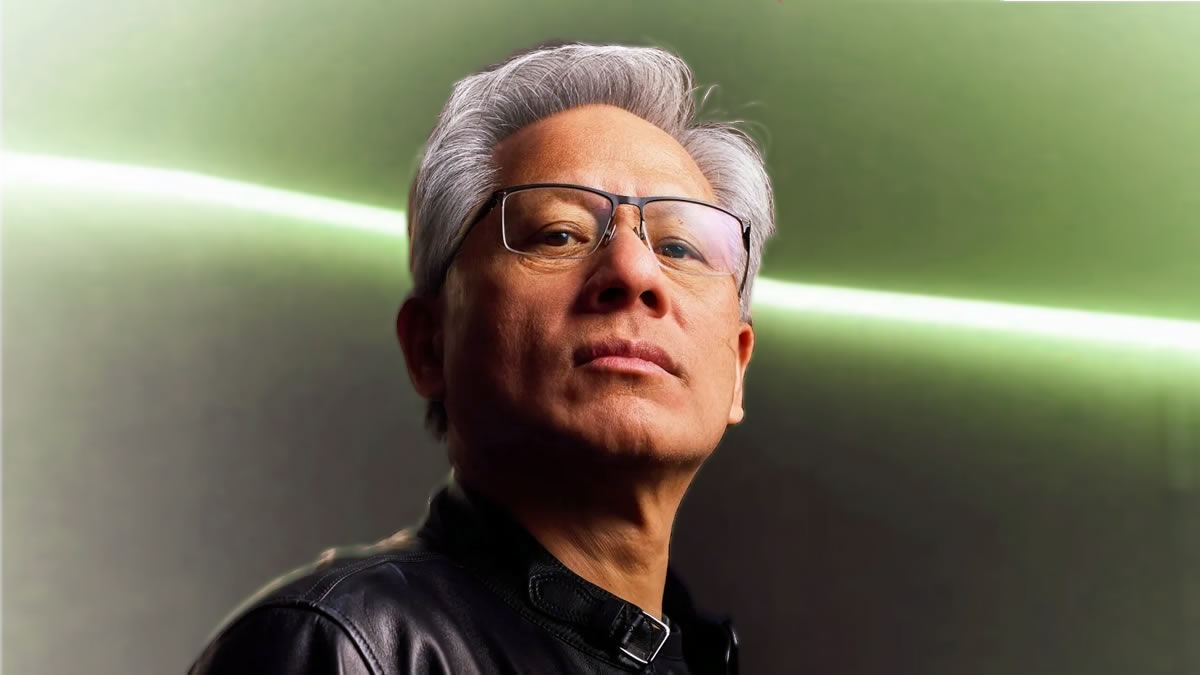
Nvidia thinks scarcity is good for them, even if it’s bad for everyone else
This week, Nvidia CEO Jensen Huang was at the Morgan Stanley Technology, Media and Telecom Conference, and he has something to say about the global memory shortage. Companies and consumers across the globe are finding it hard to acquire memory. DRAM pricing has skyrocketed, as have other parts in the electronics supply chain. So what does Nvidia’s CEO think about this? “I think the fact that everything is scary is fantastic for us.”
You know, if you set up a factory, a plant, a DRAM plant, and I come in and say, “You know what? Go ahead and set up the DRAM plant because I’m gonna use it,” that goes a long way. You might as well take that to the bank, as many of them have.
I think the fact that everything is scarce is fantastic for us.
– Nvidia CEO, Jensen Huang – via Investing.com
Nvidia is the dominant player in the AI space, and constraints make customers more likely to invest in the biggest players. These players promise the best chance of a strong return on investment. If power, memory, and space are constraints, customers are less likely to invest in unproven hardware from smaller companies. In today’s AI market, nobody will fault you for investing in Nvidia hardware over alternative options.
With regards to gaming, the memory shortage is entirely negative. Nvidia expects “supply constraints” for its GPUs in 2026. Memory prices have already driven up GPU prices. Furthermore, rising DRAM prices have driven up the cost of all new PCs. Regardless, Nvidia sees the supply crisis as a good thing, as datacenters drive most of its revenue and those customers have deep pockets. Additionally, Nvidia is large enough to ensure a stable supply of memory despite supply constraints. Smaller players will not have this luxury.
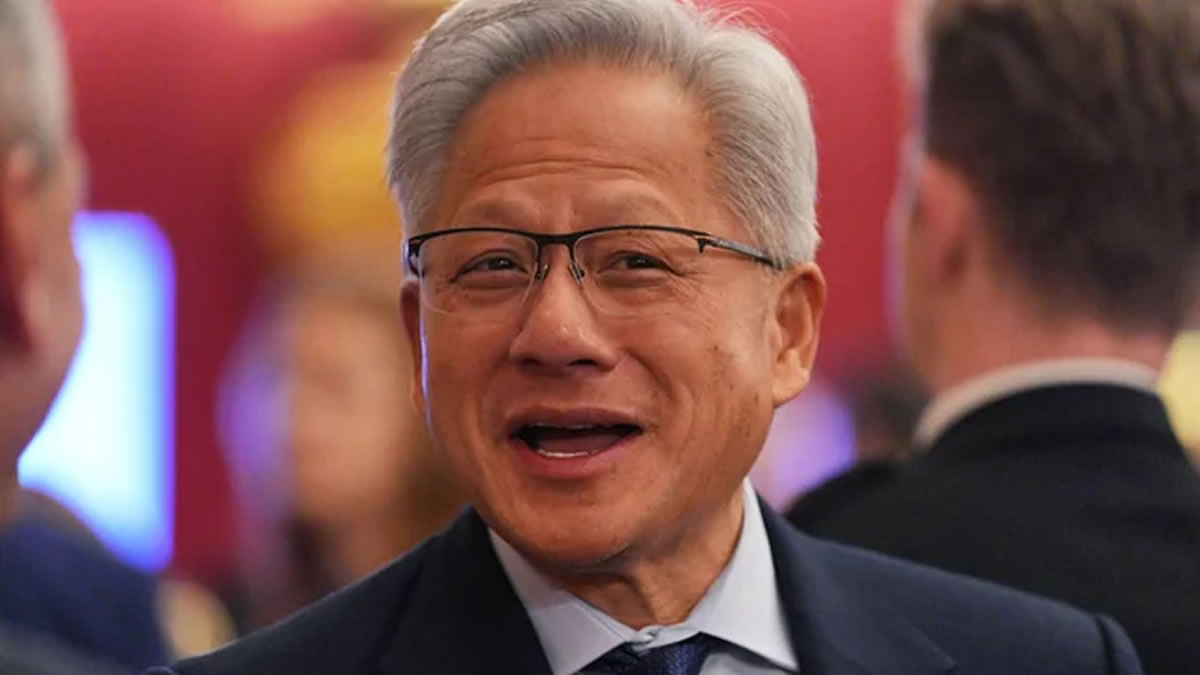
(Nvidia CEO Jensen Huang)
Scarcity is good because scarcity forces customers to invest in Nvidia hardware
In a world with scarcity, everyone’s less willing to take risks. As the largest player in the AI market, Nvidia is the default option for buyers. Everyone else is considered risky, and that’s good for Nvidia. Nvidia has the strongest supply chains and the most expertise. While everyone else may hate the shortages, Nvidia is the winner in this situation. They offer a better guarantee of results than their competition, and when things are scarce, guaranteed results are what people invest in.
I love constraints. I love constraints. The reason for that is because in a world of constraint, you have no choice but to choose the best. You can’t squander your choice. If the data centers, if the land, power, and shell is constrained, you’re not gonna randomly put something in there, just to try it out. You’re gonna put something that you know for certain is gonna deliver the tokens per watt that you know for certain is going to allow you from the moment you secure the capacity, we’re gonna be able to stand up an entire factory for you. We’re the only company in the world that can come into your company and help you stand up an entire AI factory. You know, anybody here that needs an AI factory, you know, I’m happy to help.
You call one person, and that one person comes in, and next thing you know, you’re in the AI factory business. Okay? We have the expertise. We know the architecture works. We know there’s enormous demand for the architecture, you know, after you’re done standing it up, so we can help you get into business. When you’re constrained that way, you have no choice but to make the best choice. Because your revenues next year is directly correlated to it. This is one of those questions now for all the CEOs that are in the cloud service providers or software providers. If they make poor choices, this is no different than me choosing the wrong foundry. This is no different than me choosing, you know, the wrong memory, than the wrong anything.
Because everything is so constrained, if I choose poorly, my revenues are affected, everything is affected. They can’t choose poorly. The second thing is, you know, NVIDIA’s, as you mentioned, working at such a large scale. Our supply chain, one of the things that we do with our money, of course, is to secure our supply chain. One of the things that we do with our capital is to secure our supply chain so that when Satya asks me to help him stand up a few gigawatts, the answer is, “No problem.” The reason for that is I got all the memories. I got all the wafers. I got all the CoWoS. I’ve got all the packaging. I’ve got all the systems. I’ve got all of the connectors. I got all the cables.
You know, everything from copper to multilayer ceramic capacitors, everything’s secured. That’s one of the reasons why NVIDIA’s balance sheet being strong is so strategic. A strong balance sheet today is not only helpful, it’s strategic.
– Nvidia CEO, Jensen Huang – via Investing.com
Most of our audience are PC gamers, and will undoubtedly hate the AI-induced memory shortage. They will also hate the fact that datacenter power use has driven up electricity costs in many regions. AI is sucking up resources that could have been used elsewhere. As it stands, the ambitions of the AI giants are causing the entire consumer electronics market to suffer. As for Nvidia, this situation suits them just fine.
You can join the discussion on Nvidia’s thinking that the memory supply crisis is good for them on the OC3D Forums.