


Samsung and Amazon create the new HDR10 standard

Samsung and Amazon create the new HDR10 standard
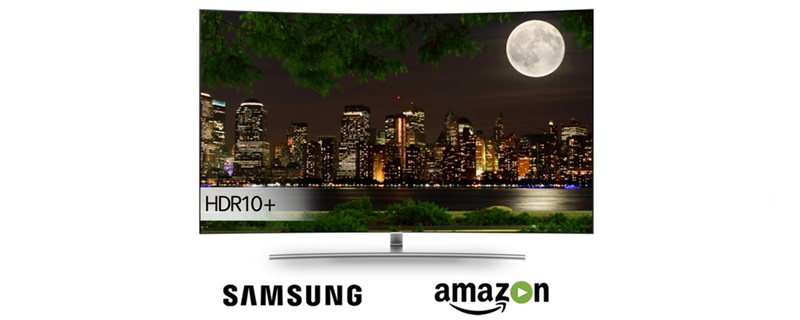
Samsung and Amazon create the new HDR10 standard, adding “Dynamic Tone Mapping” to the HDR10 standard and thus creating a more confusing HDR ecosystem.
At the time of writing, there are currently five major HDR standards, HDR10, Dolby Vision, HLG, Advanced HDR and now HDR10. This has created a very confusing ecosystem for HDR fans, as at this time nobody knows which standard will reign supreme in the long term.
Thankfully HDR10 will not require current owners of Samsung HDR10 display owners to purchase a new television/monitor, with Samsung offering support on their 2017 displays and new firmware updates to add support for the company’s 2016 HDR10 TV lineup. This makes it likely that other TV makers will be able to update their HDR10 displays to offer support for HDR10.
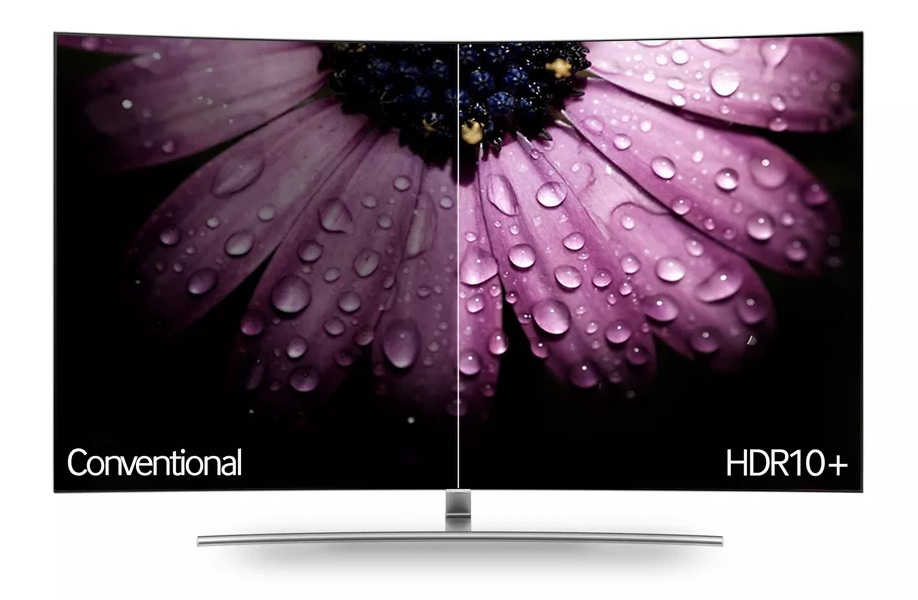
The addition of “Dynamic Tone Mapping” is a huge change for HDR10, allowing your display to adjust brightness on a scene-by-scene (or even frame-by-frame) basis, allowing each scene to be shown with optimal brightness. Previously Tone mapping was static throughout a film or piece of HDR content, which could result in some scenes appearing brighter or darker than the director originally intended, IE a dark/bright scene in an otherwise bright/dark movie.
HDR10/10 is an open standard, making the technology more attractive than the technically superior Dolby Vision HDR standard. Amazon has now committed globally to create and stream HDR10 content “later this year”, likely starting a Betamax VS VHS-style content war in the near future.
You can join the discussion on the new HDR10 display standard on the OC3D Forums.
Samsung and Amazon create the new HDR10 standard
Samsung and Amazon create the new HDR10 standard, adding “Dynamic Tone Mapping” to the HDR10 standard and thus creating a more confusing HDR ecosystem.
At the time of writing, there are currently five major HDR standards, HDR10, Dolby Vision, HLG, Advanced HDR and now HDR10. This has created a very confusing ecosystem for HDR fans, as at this time nobody knows which standard will reign supreme in the long term.
Thankfully HDR10 will not require current owners of Samsung HDR10 display owners to purchase a new television/monitor, with Samsung offering support on their 2017 displays and new firmware updates to add support for the company’s 2016 HDR10 TV lineup. This makes it likely that other TV makers will be able to update their HDR10 displays to offer support for HDR10.
The addition of “Dynamic Tone Mapping” is a huge change for HDR10, allowing your display to adjust brightness on a scene-by-scene (or even frame-by-frame) basis, allowing each scene to be shown with optimal brightness. Previously Tone mapping was static throughout a film or piece of HDR content, which could result in some scenes appearing brighter or darker than the director originally intended, IE a dark/bright scene in an otherwise bright/dark movie.
HDR10/10 is an open standard, making the technology more attractive than the technically superior Dolby Vision HDR standard. Amazon has now committed globally to create and stream HDR10 content “later this year”, likely starting a Betamax VS VHS-style content war in the near future.
You can join the discussion on the new HDR10 display standard on the OC3D Forums.