


Intel to snag orders from TSMC customers after grabbing ex-TSMC “Superhero” Executive

Intel aims to grab TSMC Arizona customers for chip packaging orders, building up Intel Foundry
Intel has reportedly hired TSMC’s former Senior Vice President of Corporate Strategy Development, Lo Wei-Jen, a “superhero” of the semiconductor industry. During his long career (he’s currently 75), Lo Wei-Jen has worked for both Intel and TSMC. It is now claimed that Lo Wei-Jen will handle orders from US customers at TSMC’s Arizona fab and secure advanced packaging orders for Intel.
While TSMC customers can manufacture their chips in the US at its Arizona fab, completing them there remains a challenge. Chips are being made in the US to be packaged/completed overseas. Intel wants to secure TSMC Arizona’s customers as chip packaging customers. This will allow chips to be manufactured and packaged inside the US.
Interested parties for Intel’s packaging services include Microsoft, Tesla, Qualcomm, and Nvidia. Such orders would bolster Intel Foundry, securing Intel revenue. It may also make it easier for Intel to transition these companies to become future Foundry customers for chip orders.
The latest reports indicate that Intel will rely on Lo Wei-Jen, who possesses experience in both Intel and TSMC’s wafer manufacturing R&D and management, to handle orders from US clients at TSMC’s Arizona fab and related advanced packaging work for Intel. This is expected to include orders from companies like Microsoft and Tesla, and potentially from NVIDIA and Qualcomm in the future, ensuring a smooth transition between the front-end and back-end. Furthermore, his expertise in managing the wafer fab and equipment supply chain will be leveraged to rapidly improve yield and efficiency.
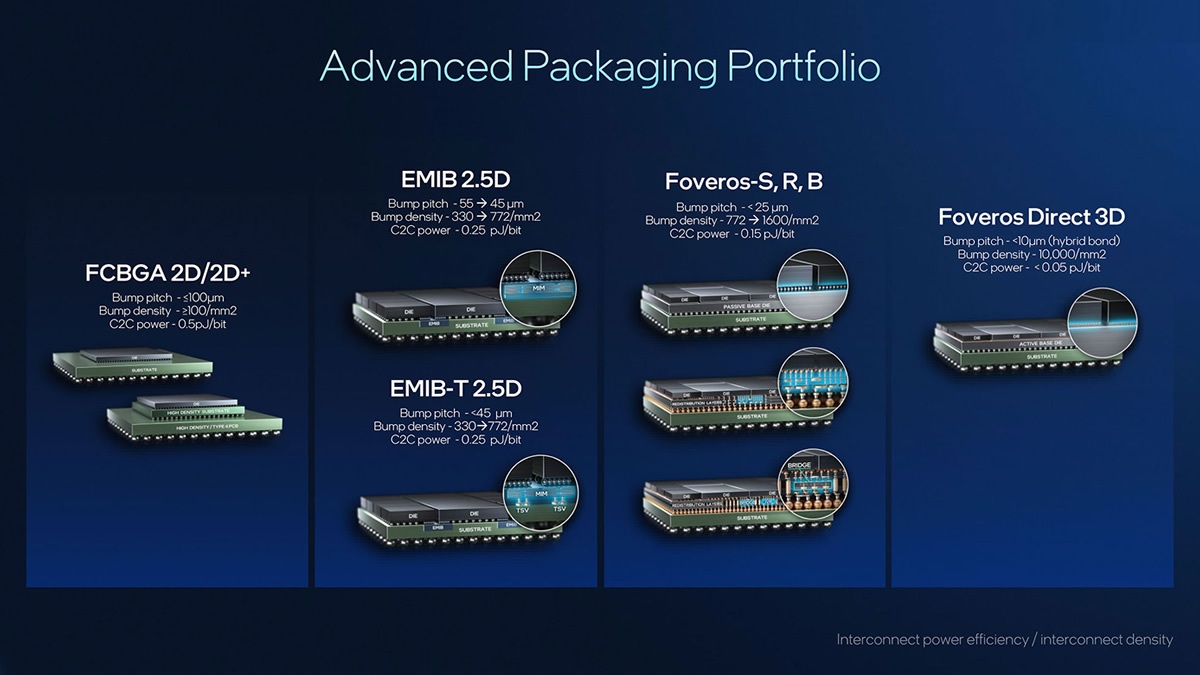
Intel plans to become an external foundry like TSMC, but its next-generation 14A lithography node is years away from being ready for use. In the meantime, Intel wants to build up its chip packaging business, benefiting from the demand for “made in the USA” semiconductor products. TSMC can produce the chips, and Intel can package them.
If Intel are successful, it will expand its revenues and build trust with potential external foundry customers. That will bring Intel one step closer to securing these companies as foundry customers.
You can join the discussion on Intel’s plans to swipe packaging orders from TMSC’s customers on the OC3D Forums.